If you are asking who the best Nigerian wedding photographer in London is, you are already asking a better question than most couples do — and the answer matters more than you will realise until it is too late to fix. A Nigerian wedding is not a standard event. It never was. This guide is about how to tell genuine cultural fluency from a warm smile and a confident website.
Best Nigerian Wedding Photographers in London: How to Choose Yours
Why Cultural Fluency Is the Whole Game
Plenty of photographers in London will tell you they can cover "any wedding, any culture" — and most of them believe it sincerely. They are not lying to you. They simply have not yet stood in a room when the groom's family arrives with drummers and rewrites the entire schedule in ninety seconds.
I have photographed hundreds of weddings across the UK and in Nigeria, and here is what I know to be true: the problem is not a shortage of talented wedding photographers in London. There are hundreds of excellent ones. The problem is a shortage of photographers who have spent years inside these ceremonies, who understand what each rite actually means, and who can produce images as grand and layered as the day itself.
Cultural fluency is not a nice-to-have that shows up in the edit. It decides where a photographer stands, what they anticipate, and which moments they know never to miss. The kola nut presentation. The tasting of the four elements. The money spraying. The prostration. The gele reveal. You do not recover from missing these — there is no second take, and no amount of skill in Lightroom will conjure back a moment nobody photographed.
A photographer with real fluency does not need a briefing document. They know the Alaga Ijoko is three seconds from a punchline that will detonate the whole room, and they are already turned towards the family when it lands. That instinct comes from lived familiarity or from years of deliberate, immersive work inside African weddings. There is genuinely no shortcut, and I would be suspicious of anyone who suggests otherwise.
The Three Tests That Actually Tell You Something
When you are sitting across from a photographer — or on a video call at nine in the evening because that is the only time you both have — these are the three things worth testing. They take about twenty minutes and they are far more revealing than a portfolio.
Test one: make them describe the sequence, unprompted
Ask them to walk you through the order of a Yoruba traditional engagement or an Igbo introduction ceremony without you feeding them the answer. Specific, confident, slightly-too-detailed answers are a green light. Warm but vague enthusiasm about "loving all cultures and celebrating diversity" is a polite red flag. You are testing for specificity, not for goodwill — goodwill is abundant and does not photograph the prostration.
Test two: look at how they treat colour
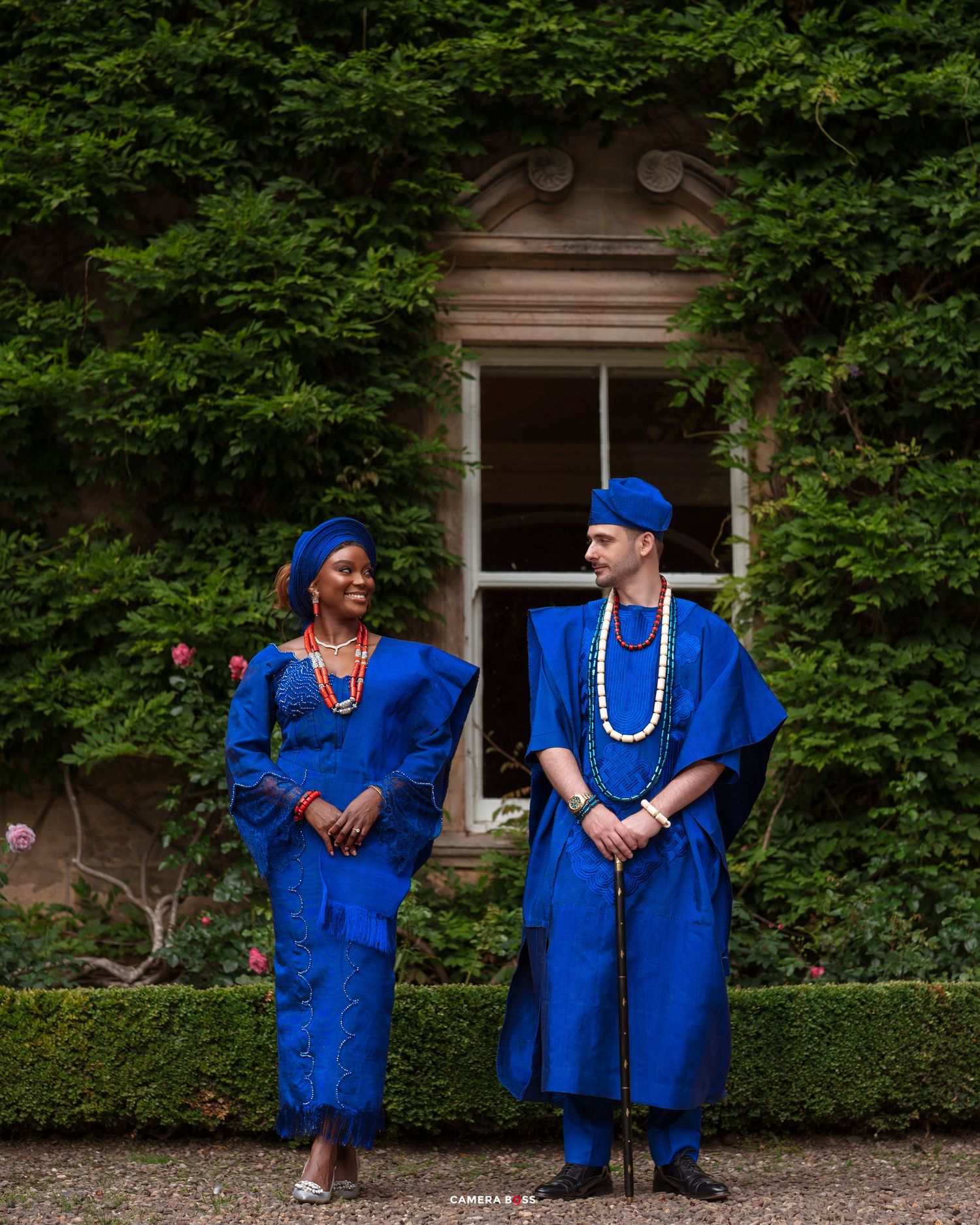
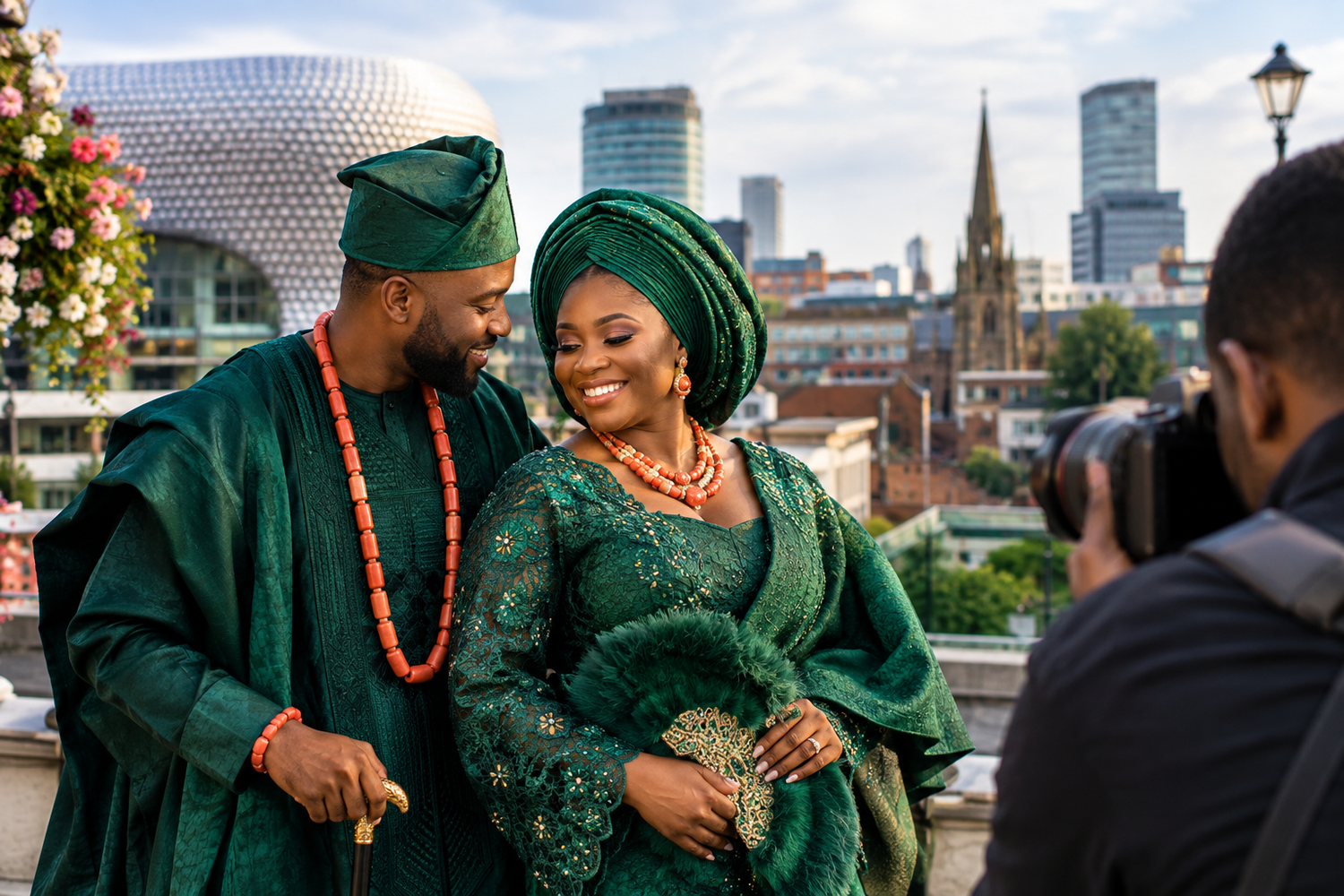
Nigerian weddings are vivid by design. The ankara, the aso-ebi, the elaborate gele, the richly dressed halls — this is not a palette that survives the muted, desaturated presets that work so beautifully for a forty-guest country house wedding in the Cotswolds. A photographer whose post-production flattens that vibrancy is doing your day a quiet disservice, however skilled they are. Look for finished work that actually looks the way your wedding is supposed to feel.
Test three: ask for a full gallery, not a portfolio
Twenty hero shots prove almost nothing. A photographer with sixty weddings behind them is showing you their best forty frames out of perhaps 60,000 — a hit rate under one per cent. Ask instead for one complete wedding, start to finish, ideally at a venue and season resembling yours. Strong work on a bright outdoor traditional ceremony is one thing. Strong work at a dim evening reception with four hundred guests and a moving dancefloor is another entirely. Both should be there, and both should be excellent. If someone hesitates to show you a complete gallery, that hesitation is your answer.
What Cameraboss Brings to a Nigerian Wedding in London
I am John Lekan — British-Nigerian, London-based, and I did not arrive at Nigerian wedding photography by accident or by availability. It is what I have built a decade of work around, from London to Leicester, Manchester, Birmingham and the Midlands, as well as in Nigeria itself. For couples running a UK ceremony and a Lagos celebration days apart, that dual footing matters more than any equipment list.
Cameraboss was named Creative Photographer of the Year at the Creative Industry Awards 2024, and this July we were crowned Creative Visionary of the Year. I was also selected for the RBSA Summer Show 2026 at Birmingham's Royal Academy — which matters here only because it says something about how seriously we treat the image itself, not just the coverage.
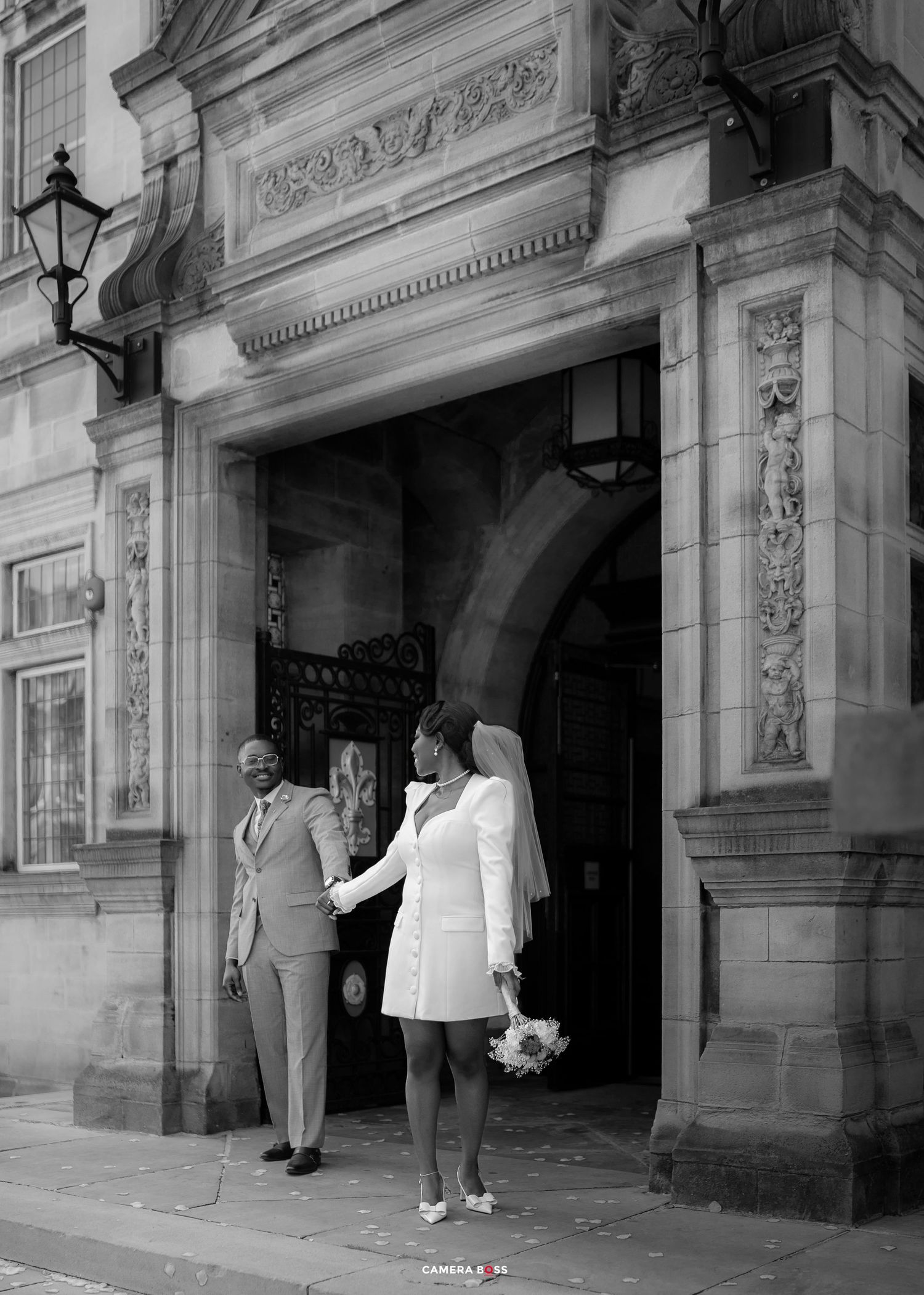
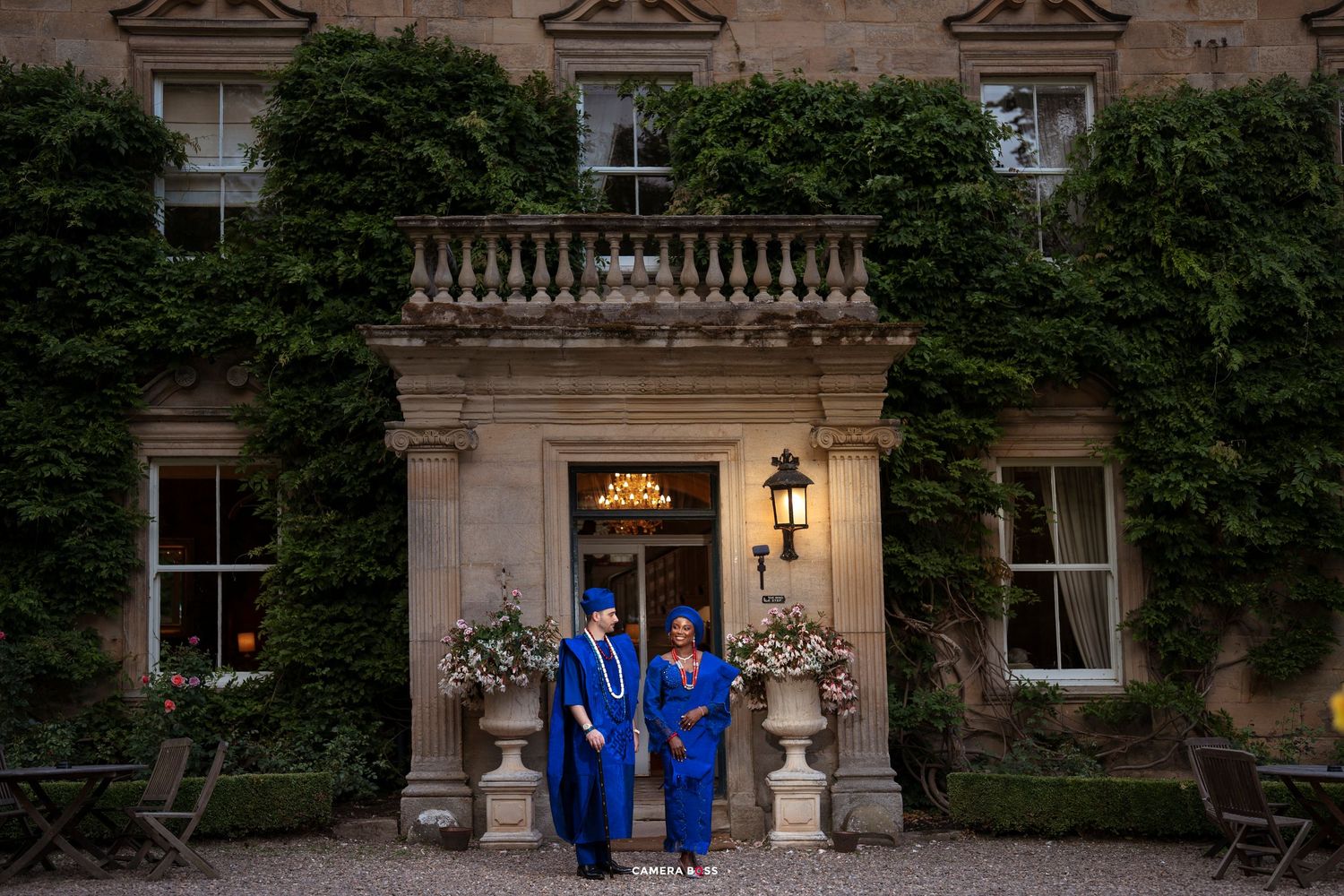
What that looks like in practice: I know when the aso-ebi entrance is coming, and I am in position before the energy in the room shifts. Our packages are built around the genuine shape of a Nigerian wedding — the traditional engagement, the church or court service, the reception — because each phase has its own light, pace and rhythm, and pretending otherwise is how photographers end up underexposing a sea of colour at eight in the evening. You can see the full arc of a real day in Opeyemi and Temmy's white and traditional wedding.
The right photographer walks into your ceremony already knowing what it means.
The feedback from couples tends to share one thread. One couple, whose celebration spanned Nigeria and Germany, described booking us for both ceremonies as one of the best decisions they made. Another said we exceeded her expectations after years of hoping to work together. Those are not compliments about nice pictures — they describe what it feels like when nobody has to explain the day to you.
What It Costs in London in 2026
Let me give you real numbers, because vagueness here helps nobody. Nationally, the average UK wedding photographer costs around £1,484 according to Bridebook's 2026 report, or nearer £1,590 on Hitched's National Wedding Survey. London runs 20–25% above that, and Nigerian weddings sit at the demanding end of the market because they are longer, larger and more complex than the average British wedding the national figures are built on.
For full-day Nigerian wedding coverage in London in 2026, expect roughly:
- £1,200 and up — entry level, typically newer photographers building their Nigerian wedding portfolio.
- £1,800–£2,800 — mid-range, covering most established London photographers with genuine full-day experience. This is the realistic planning figure.
- £3,000–£4,000+ — premium and luxury studios with strong editorial reputations or a substantial body of Nigerian wedding work.
- From around £1,800 — photography and videography bundled, which makes particular sense here, since one team that already understands the ceremonies beats two that need briefing.
The gap between those tiers is experience, team size, inclusions and the quality of the edit. A second shooter buys coverage across a large venue and simultaneous preparations — for a Nigerian wedding it is closer to essential than optional. A physical album and a pre-wedding shoot add both time and material cost. A cinematic highlight reel means skilled video editing on top of photography delivery. For a fuller breakdown, see our guide to London wedding photography prices or our current pricing.
The Questions to Ask Before You Sign Anything
Beyond cultural experience, there are practical answers you deserve in writing before you commit — not in a follow-up email three months later.
Have you photographed a Yoruba traditional engagement? An Igbo introduction? A white wedding following a traditional rite on the same day? Ask them to name moments they know to anticipate without prompting. Ask whether they speak or understand any Yoruba or Igbo.
What happens if you are ill, or your camera fails? Professionals carry multiple bodies, dual card slots and a network of trusted colleagues. Ask directly, and expect a specific answer rather than reassurance.
Will there be a second shooter? When the bride prepares in one location and the groom in another, or the traditional and white ceremonies run back to back, one photographer cannot be in two places.
How do you handle low light? Nigerian receptions are frequently held in banqueting halls with dramatic but punishing lighting. Ask to see evening reception work specifically — and look closely at how deep skin tones are rendered, because that is a technical competence and a great many portfolios quietly fail it.
What is the turnaround, and what do I actually own? Four to six weeks is the UK standard for a full gallery; anything past twelve deserves an explanation. Confirm delivery format, full personal print rights, edit length and style for video, and whether raw footage is available. Confirm public liability insurance too — many London venues require it. A standard UK deposit is around 20%, with the balance due shortly before the day.
Other London Photographers Worth Your Time
I would rather you chose well than chose me, so here are others who come up consistently in Nigerian wedding circles in London. Dare Photography advertises Yoruba, Igbo and Edo experience specifically, across both traditional and church formats. Joe Darams Photography cites Yoruba and Igbo weddings including traditional engagements. TheOkeJacobs documents Nigerian ceremonies across London and speaks Yoruba fluently. FilmFolk references Yoruba customs including the tasting of the four elements and covers African weddings UK-wide.
Apply the same three tests to all of us. Full galleries rather than curated highlights. Coverage of both traditional and white formats. Honest evidence of low-light reception work in crowded, fast-moving Owambe conditions. A strong portfolio for a Nigerian wedding looks nothing like a strong portfolio for a country house ceremony, and once you know what you are looking for the difference is obvious within about ninety seconds.
When to Book, and Why Sooner Is Not a Sales Line
The photographers with genuine cultural experience book out first, and they book out early. Peak UK season runs late May to September, and Saturdays in London go fastest of all. Twelve to eighteen months ahead is normal at the top of this market; nine to twelve months is the safe baseline for most couples. Nigerian and African couples often face extra complexity, because a UK ceremony coordinated with a later Nigeria celebration means the dates are locked in long in advance and cannot easily move.
For context rather than pressure: we are currently taking bookings for 2027 and 2028. If your date is closer than that, still reach out — some dates do remain open, but the calendar narrows quickly and I would rather tell you honestly than have you find out in October.
Take your time with the decision itself, though. View full galleries. Have real conversations. Pay attention to whether a photographer asks thoughtful questions about your ceremony structure, your families and your cultural background on that first call — because the care shown before a contract is the most reliable preview of the care you will get on the day.
Your wedding photographs are the version of your day that outlasts memory. They are what you will show your children, and what your parents in Lagos or Accra or Port Harcourt will treasure. They are not just pictures — they are the evidence that something extraordinary happened, and that your love story deserved to be told in full colour, without apology.
Common Questions
A: There is no single answer, and anyone who claims the title outright should be treated carefully. The best photographer for your wedding is the one who can describe your ceremony's sequence unprompted, show you a full gallery from a comparable day, and handle a dim reception hall as confidently as an outdoor traditional. Judge on those three things rather than on follower counts.
A: £1,800–£2,800 is the realistic planning range for solid full-day coverage, with entry-level from around £1,200 and premium studios from £3,000. London sits 20–25% above the £1,484–£1,590 national average, and Nigerian weddings sit at the more demanding end because of their length and scale.
A: For a Nigerian wedding, usually yes. Separate preparations, back-to-back traditional and white ceremonies, and guest counts running into the hundreds mean a solo photographer will inevitably be in the wrong room at some point. It is one of the better-value additions you can make.
A: Twelve to eighteen months for peak-season Saturdays in London, and nine to twelve months as a safe minimum. Book as soon as your dates are confirmed if you are coordinating a UK ceremony with a Nigeria celebration, since those dates rarely move.
A: If the budget allows, yes. The talking drums, the Alaga's call and response, the moment a parent's blessing lands — sound and movement carry those in a way stills cannot. Bundling also means one team that already understands the ceremonies, rather than two who need briefing. You can see our film work on the wedding videos page.
Let's Talk About Your Date
If you are planning a Nigerian wedding in London and want a photographer who already understands your day, I would love to hear about it — the ceremonies, the families, the parts you are most looking forward to. That conversation costs nothing, and I will tell you honestly if we are not the right fit.