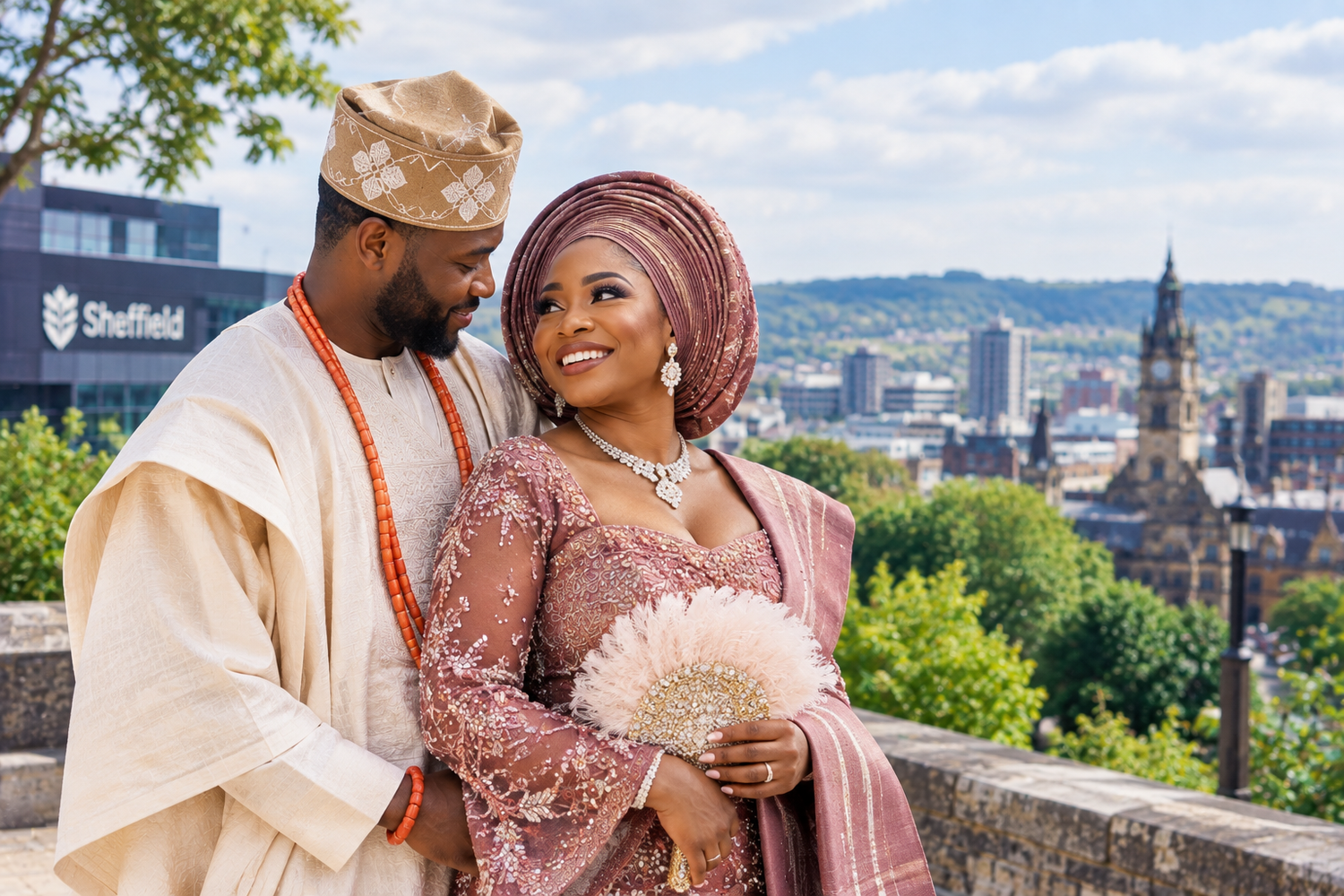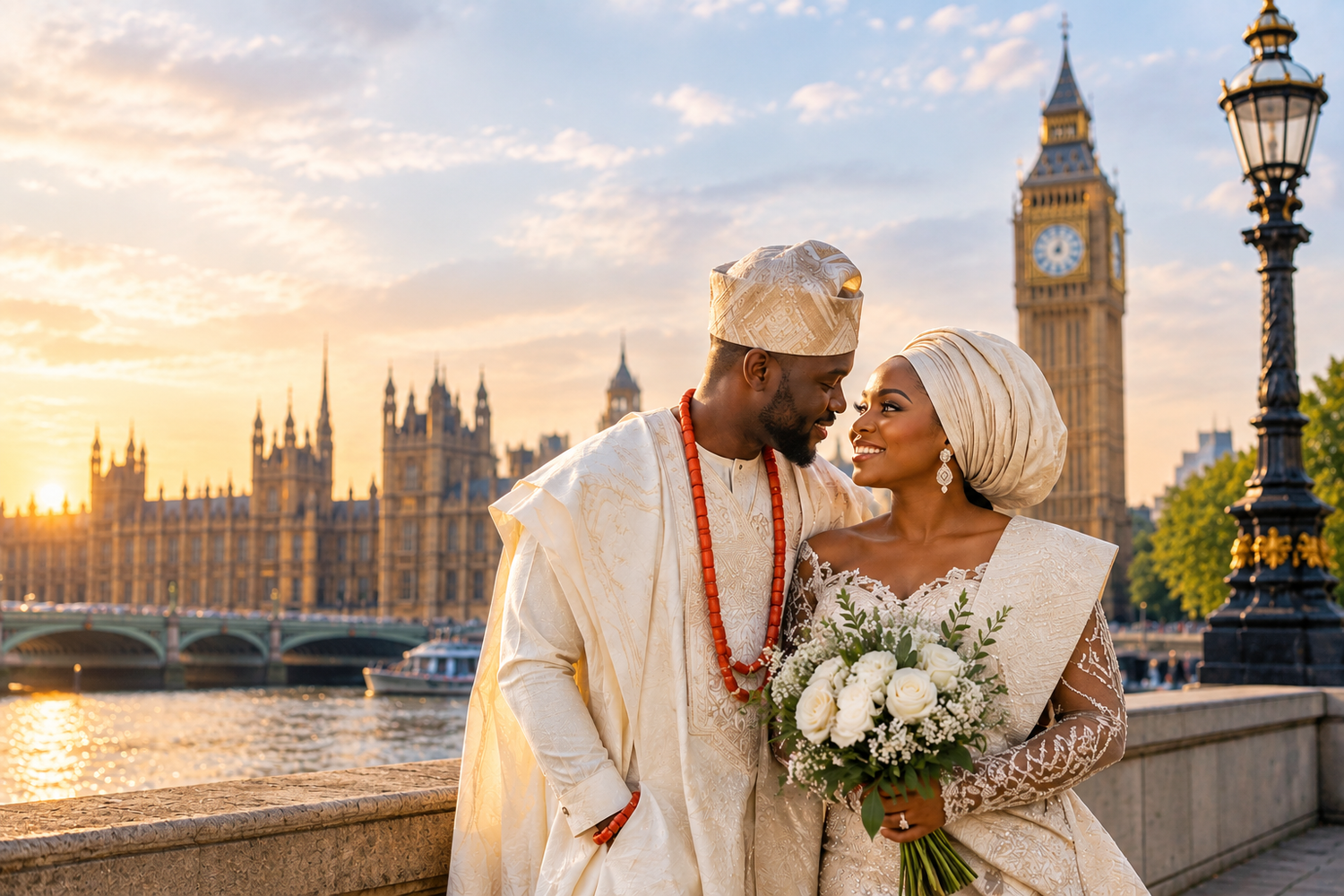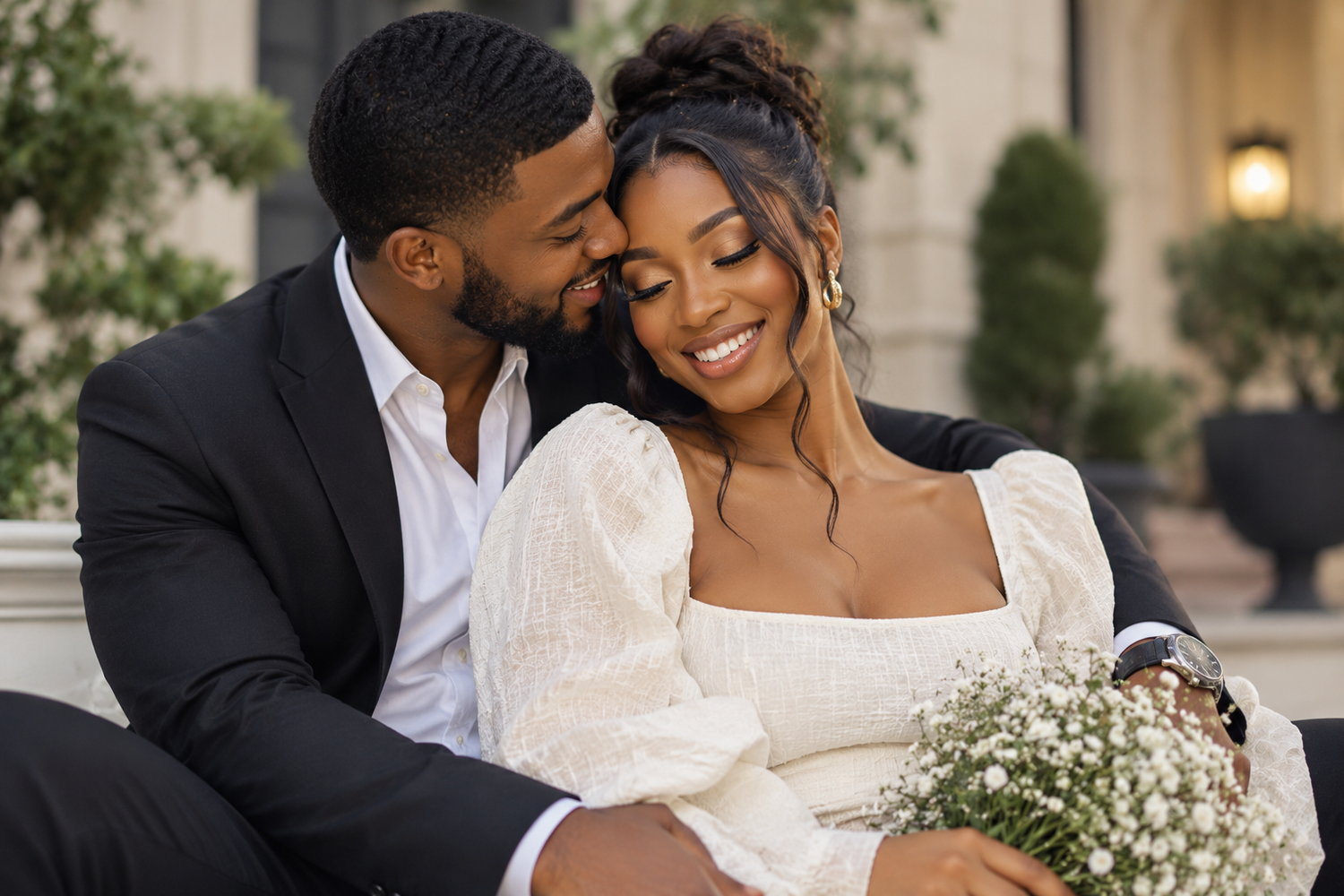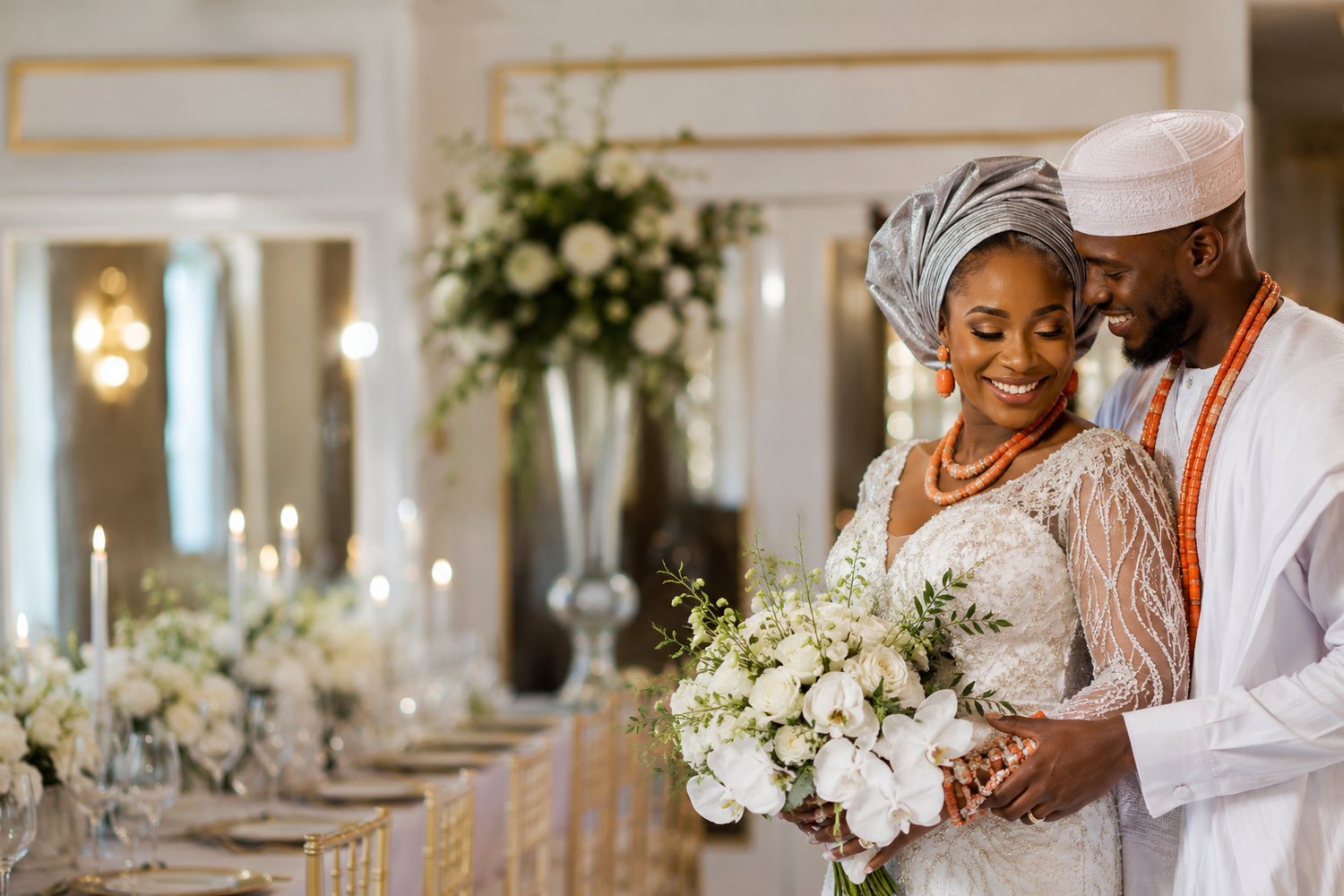
London holds one of the largest Nigerian communities outside Nigeria, and on any given Saturday somewhere between Peckham and Woolwich, Ilford and Croydon, a hall is being transformed with Aso-Ebi, aso-oke and the sound of talking drums before the first guest even arrives. If you're searching for a Nigerian wedding photographer in London, you already know a Nigerian wedding is rarely one ceremony — it is usually two, sometimes on the same weekend, each asking something different of a camera. This is a working Nigerian wedding photographer in London’s guide to what actually matters: the venues, the moments that get missed by photographers who don’t know to expect them, and what makes the difference on the day.
Why Couples Choose a Nigerian Wedding Photographer in London
Most couples booking a Nigerian wedding photographer in London are planning two events under one roof, or across one weekend: the traditional engagement (introduction) ceremony and the white wedding. Each has its own rhythm, its own dress changes, and its own key moments that a photographer either knows to anticipate — or misses entirely. A Nigerian wedding photographer in London who has covered dozens of these ceremonies knows the difference between a good gallery and a complete one.
The traditional ceremony moves fast. Prostration, prayers, the presentation of the bride, the alaga ijoko directing the pace of proceedings, gift exchanges, and money spraying can all happen within minutes of each other. A photographer unfamiliar with the format is often still setting up for one moment while the next has already passed. Knowing the order of events — even roughly — is the difference between a gallery that tells the full story and one with gaps in it.
London’s Nigerian community is concentrated heavily in South East and East London — Peckham, Woolwich, Thamesmead, Barking and Ilford in particular — though celebrations are held right across the city, from community halls to five-star hotels in Central London. Couples searching from London are often also comparing venues and suppliers in Leicester, Manchester and further afield, since Nigerian weddings frequently draw guests travelling in from across the UK. See the areas we cover for how coverage extends beyond London itself.
Popular London venues for Nigerian weddings
Community and event halls. Many families choose large halls across South East and East London capable of hosting 300-plus guests, essential for traditional ceremonies where the guest list often includes extended family, church members and family friends from both sides. These spaces are typically open floor plans lit with mixed indoor lighting — a photographer needs to bring supplementary light rather than rely on the venue’s own fittings, especially once evening dancing begins.
Hotel ballrooms in Central and Greater London. A growing number of couples choose hotel venues for the white wedding portion, valuing the neutral, elegant backdrop that lets Aso-Ebi colour and gele detail stand out in photographs without competing with a busy interior.
Churches across South London. Church weddings remain common, and many of London’s largest Nigerian congregations are based in and around Peckham, Camberwell and Woolwich. Church lighting varies enormously by building, so a pre-wedding site visit matters more here than almost anywhere else.
Whichever setting you choose, having a photographer who has already worked similar spaces means less time spent explaining the day and more time spent capturing it properly.
What to Look for in a Nigerian Wedding Photographer in London
Not every wedding photographer in London is set up to cover a Nigerian wedding properly, and the difference shows up in the final gallery, not on the day itself. When you're comparing a Nigerian wedding photographer in London, a few things matter more than a polished Instagram feed.
Ask whether they've covered a traditional engagement ceremony before, and ask them to describe how it typically unfolds. A photographer who can talk you through the prostration, the alaga ijoko's role, and the order gifts are usually presented in has actually been in the room for one — not just watched clips online. This is the single best filter when choosing a Nigerian wedding photographer in London.
Second, look at how previous galleries handle colour. Aso-Ebi, gele and aso-oke need to be exposed and graded with real care, or the richness of the fabric is lost in editing. A strong Nigerian wedding photographer in London will have a portfolio full of vivid, true-to-life colour rather than washed-out or overly warm tones borrowed from a generic wedding preset.
Third, ask about second-shooter coverage. Traditional ceremonies move fast and often have several things happening in the room at once — a single photographer, however skilled, will miss moments a second shooter would catch.
The details that get missed — and the ones that shouldn’t
A few things consistently catch out photographers unfamiliar with Nigerian weddings.
First, colour. Aso-Ebi fabric, gele and aso-oke are rich, saturated and often metallic-threaded. Shot and edited the way a standard white wedding would be, that colour and texture flattens out. Exposure and white balance need to be handled deliberately, not left to auto or a generic preset, or the fabric detail your family paid so much attention to simply disappears in the final gallery.
Second, timing. Traditional ceremonies rarely run to a fixed schedule the way a UK register office wedding does. The alaga ijoko sets the pace, and key moments can happen earlier or later than planned. A photographer who arrives expecting a rigid timeline will be caught off guard; one who knows to stay alert throughout will catch the moment as it happens rather than a second late.
Third, two ceremonies means two sets of everything — two outfit changes, sometimes two venues, occasionally two dates entirely. This needs to be planned into the coverage from the very first conversation, not discovered on the day.
Cameraboss in London: how we work here
I’m John Lekan, a British-Nigerian wedding, lifestyle and portrait photographer, and Nigerian weddings — traditional and white — are where I feel most at home behind the camera. I’ve spent years photographing Yoruba and wider Nigerian ceremonies across London, and the culture behind every moment matters as much to me as the photograph itself.
Cameraboss is based in London and Leicester, and London is a core coverage area we work in regularly — not an add-on. What that means in practice: we discuss the running order of both ceremonies with you ahead of time, we bring the right lighting and lens choices for halls, churches and hotel ballrooms alike, and we edit with the colour and detail of Aso-Ebi and traditional attire specifically in mind rather than a default preset.
Cameraboss was named Creative Photographer of the Year at the Creative Industry Awards 2024. A Nigerian wedding in London doesn’t need a photographer who simply shows up — it needs one who already knows what happens next. Traditional ceremony work sits on Aworan, films on the wedding videos page, and full galleries in the client area. You can read more about my background and approach on the About page.
Common Questions
A: Yes — this is the most common request for Nigerian weddings in London, and packages can be built around one or both ceremonies, whether on the same day or across a weekend.
A: As a British-Nigerian wedding photographer based in London, I bring first-hand cultural understanding to every traditional ceremony — knowing what's coming next matters as much as knowing how to use a camera.
A: Strongly, yes. Money spraying, dancing and family presentations often happen at the same time in different parts of the room, and a single photographer will miss moments a second shooter would catch.
A: Twelve to eighteen months is typical, particularly for weekends covering two ceremonies, since these bookings take up more of the calendar than a standard single-ceremony wedding.
A: Yes — regularly across Leicester, Manchester and Sheffield, and destination coverage is available for weddings in Nigeria. Get in touch to discuss travel and package details.
Planning a Nigerian wedding in London?
Tell us your date, your venue and whether you’re covering the traditional ceremony, the white wedding, or both. We’ll tell you honestly what coverage you need and what it will cost.