Something has shifted in the wedding photography world, and I don't think it's going back. The stiff line-up shots, the perfectly arranged bridal party frozen in symmetry, the couple standing still and smiling at the camera — couples aren't asking for those anymore. In 2026, what people want from their wedding photographs is something far more honest, and far more powerful. Here's what changed, why it matters, and what it means when you're choosing your photographer.
The Numbers Don't Lie: A Seismic Shift in What Couples Want
Wedding industry surveys point the same way. Planners and photographers report more requests for photojournalistic, documentary-style coverage, and couples increasingly say they prefer candid moments to choreographed sequences. The change is large enough that stiff line-ups are no longer the default expectation.
What's driving this? A generation of couples who grew up photographing their own lives on smartphones — authentically, in motion, in context — has arrived at wedding planning with fundamentally different visual expectations. They've seen thousands of wedding photographs on Instagram and Pinterest, and they've developed a sophisticated eye for what feels real versus what feels performed. The performed version is no longer what they want.
For photographers, this is both a creative liberation and a technical challenge. Documentary wedding photography at the highest level isn't simply pointing a camera at people and hoping something happens. It requires anticipation, positioning, emotional intelligence, and an instinct for the decisive moment — skills that take years to develop. But when it works, the results are photographs that stop people mid-scroll, because they look and feel like something that actually happened.
What "Documentary Style" Actually Means in 2026
The phrase gets used loosely, so let's be precise about what the best documentary wedding photography involves in 2026 — because there's a meaningful difference between a photographer who simply avoids posing people and one who has truly mastered the unscripted frame.
Presence Over Direction
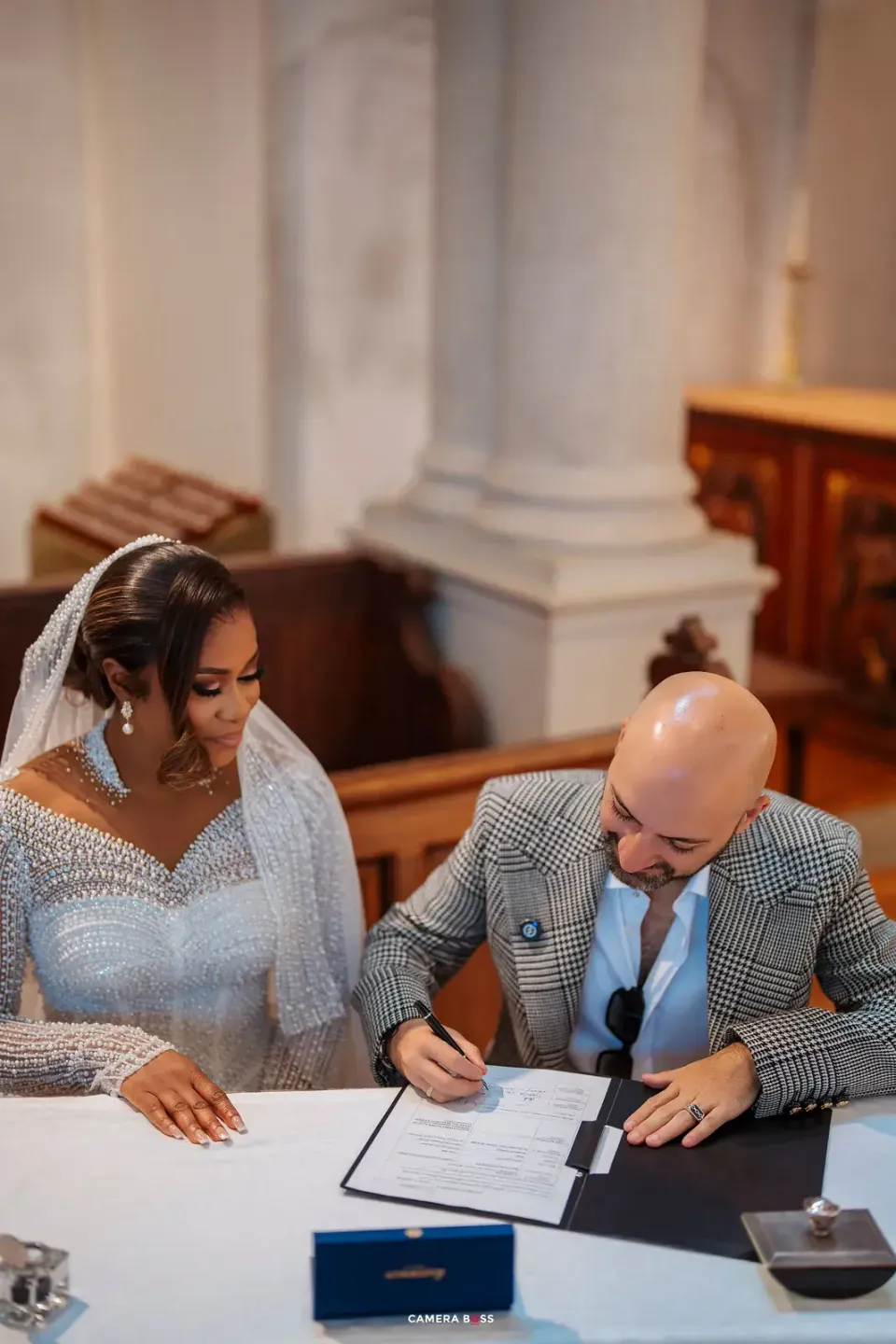
The documentary photographer's primary skill is invisibility. They move through your day as a quiet, attuned observer — close enough to capture everything, unobtrusive enough that guests forget the camera exists. This produces the images people treasure most: a grandmother wiping a tear during the vows; two brothers laughing at something only they know; the flower girl spinning in her dress when she thinks no one is watching. You cannot choreograph these moments. You can only be ready for them.
Loose Editorial Composition
The best documentary photographers in 2026 are shooting what the industry calls "loose editorial" — images that are beautifully composed, with strong light and intentional framing, but captured in genuinely unscripted moments. Think of the visual sensibility of a high-end magazine editorial, but achieved through observation rather than staging. This is the sweet spot most couples are now seeking: images that look polished and intentional, but feel completely real.
The Emotional Arc of the Day
A documentary photographer thinks about your wedding as a film — with a beginning, a middle, a climax, and an emotional resolution. They're not collecting a checklist of shots. They're building a coherent visual narrative of your day, from the quiet nervousness of preparation through the contained joy of the ceremony to the released exuberance of the reception. This storytelling approach is what separates a gallery of photographs from a true account of your wedding.
The Anti-Trend Era: Why 2026 Couples Are Rejecting Copying
There's a second, more subtle shift happening alongside the move toward documentary photography. Couples in 2026 are rejecting the very idea of copying a photographic trend — even a beautiful one. The "moody editing" era, the overlaid light leaks, the uniformly desaturated palettes — these are now being read as dated precisely because they were so widely replicated.
What today's couples are asking for instead is harder to articulate but easier to recognise: photographs that look like their wedding. Not a version of a mood board. Not a replication of someone else's aesthetic. A visual record of their specific day, their specific people, their specific light and location and emotion.
This puts a premium on photographers who have a genuine, developed point of view rather than a look that can be applied to any wedding interchangeably. The couples who do the most research before booking tend to arrive at this conclusion: they're not looking for a style, they're looking for a perspective. A way of seeing and being in the world that happens to resonate with how they want their own story told.
What This Means for Multicultural and Nigerian Weddings
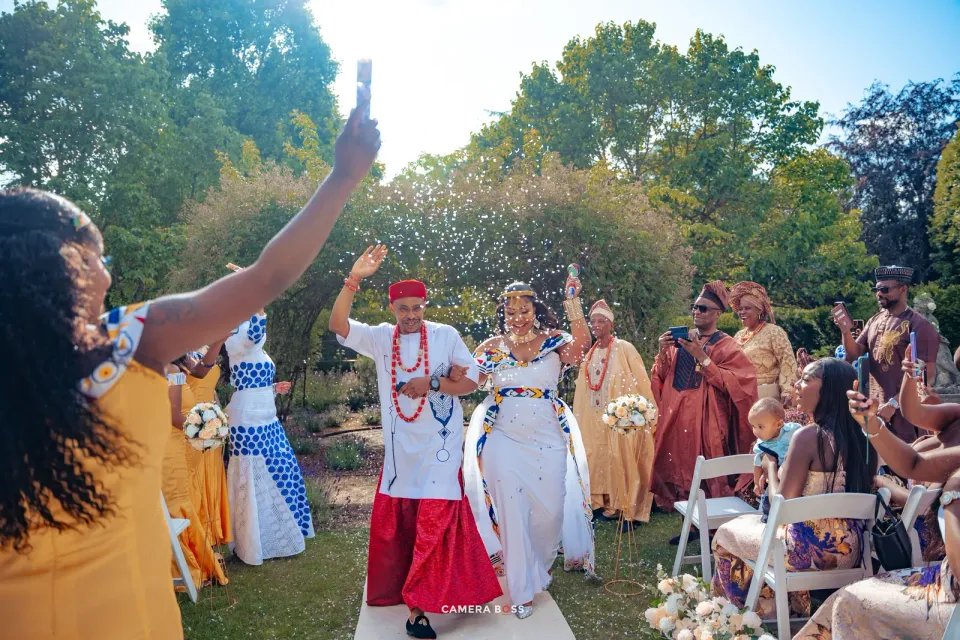
For Nigerian, Yoruba, Igbo, and wider African diaspora weddings — the kind we photograph at Cameraboss — this shift toward authentic documentary photography couldn't be more welcome. These ceremonies have always been too large, too layered, and too alive to be adequately captured through posed portraiture alone.
Think about what happens at a Yoruba wedding: the energy of the alaga's call-and-response, the moment the groom prostrates before the bride's family, the explosion of colour and movement as aso-ebi-clad guests enter the reception. These are events that unfold at speed, in three dimensions, with multiple simultaneous focal points. The only way to do justice to them is through a photographer who has the instinct, the cultural knowledge, and the technical skill to anticipate rather than direct.
This is how we have worked from the start. Not because it's a trend, but because it's the only honest approach to the extraordinary richness of the weddings we're privileged to document. You can see what this looks like in practice in our portfolio gallery — and read more about our approach to multicultural ceremony coverage on the about page.
Practical Takeaways: For Couples and Photographers
If you're a couple planning your wedding in 2026: when you're shortlisting photographers, look at their galleries not for technical perfection but for emotional truth. Ask yourself: do these images feel like something that genuinely happened, or do they feel staged? Are there moments of imperfection — a laugh mid-sentence, a tear that wasn't quite caught, a candid glance between guests — that make the photographs feel real? Those imperfections are features, not flaws. They're evidence of a photographer who was present rather than directing.
Ask your shortlisted photographers directly: "How much of your work is directed versus observed?" and "How do you handle moments in the day that happen simultaneously — like the ceremony entrance?" The answers will tell you a great deal about their approach.
If you're a photographer reading this: the market is clear. Couples who've done their research — and the best clients always have — are gravitating toward photographers who can hold a room with their presence, disappear into the background when needed, and bring a genuine editorial eye to unscripted moments. This is a craft built over years, not a filter or a preset. The investment is worth making.
Common questions
Does documentary wedding photography mean there are no portraits at all?
Not at all. Most documentary photographers, including Cameraboss, still set aside time for a short couple portrait session — often around golden hour — because these images serve a different purpose: intimate, considered frames of just the two of you. The difference is that portraits take up a small part of the day, rather than dominating the agenda. The rest of the day unfolds naturally, with the photographer observing rather than orchestrating.
How do I tell if a photographer is genuinely documentary or just saying they are?
Look carefully at their full galleries, not just their highlight images. Does the work show moments of genuine spontaneity — laughter mid-sentence, movement, guests who don't appear to notice the camera? Or do the "candid" images feel arranged, with everyone at flattering angles and perfect expressions? The difference is subtle but unmistakable once you know what to look for. Real documentary work has texture and unpredictability in it.
Will documentary-style photography work for a big Nigerian or cultural wedding with lots of ceremony?
This style is arguably best suited to large, layered multicultural celebrations — precisely because these weddings have so much happening simultaneously that a directive approach would miss most of it. The key is choosing a photographer with cultural literacy who understands what's significant and why, so they're positioned for the right moment before it arrives.
What editing style goes with documentary photography in 2026?
The trend is firmly toward natural, true-to-life colour grading — accurate skin tones, realistic light, and minimal manipulation. The heavy presets and dramatic muting that dominated Instagram wedding photography in the early 2020s feel dated now. Couples want images that look like their day looked — not a filtered version of it. That is the direction we edit in: natural colour, accurate skin tones and depth without artificial drama.
Planning a wedding?
Tell us about your day, the ceremonies involved and the moments you most want to keep. We will reply with availability and a quote shaped around your plans.