I watched it happen at a wedding in Manchester earlier this year. The couple walked through the door and the room exploded — two hundred guests, roughly a third of them with a phone in the air, filming. Within twenty minutes, clips were circulating on WhatsApp. By that evening, someone had posted a Reel. By the next morning, the couple's entrance had thousands of views — shot entirely on a guest's iPhone 16, with the sound of the live band beneath it and an aunty's joyful scream cutting through everything. It was raw. It was imperfect. It was completely alive. And it made me think hard about what this moment means for our industry.
We are living through a genuine shift in how wedding memories are made, distributed, and consumed. Social-first wedding content — content created primarily to be shared on Instagram, TikTok, and YouTube — is no longer a side effect of modern weddings. In 2026, it is often a deliberate priority. Couples are thinking about their wedding content in layers: what they will treasure privately in thirty years, what they want to share with family who couldn't make it, and what they want to post the morning after.
In this piece, I want to explore what this shift actually means: for photographers, for couples, and for the way we all think about documenting one of the most important days of a person's life.
The Rise of Social-First Wedding Content: What Has Actually Changed?
Ten years ago, the most a couple could reasonably hope for on the day was a good photographer, a solid videographer if the budget allowed, and perhaps a few decent shots from a photobooth. Social media existed, but wedding content created specifically for it was niche. Instagram was where photographers shared work from previous weddings. It was not — yet — a live broadcast of the wedding itself.
What changed is the phone. More specifically, what phones became: high-resolution cinema cameras that live in every pocket. When your guests are equipped with devices that can shoot in 4K with optical stabilisation and AI-enhanced processing, you end up with a distributed camera network across your entire wedding. Some of that footage is terrible. But some of it — the completely unguarded moments, the dancing that breaks out when no professional eye is watching, the grandmother's face when the groom sees the bride for the first time — is extraordinary.
Couples in 2026 are acutely aware of this. And so are the photographers and videographers who work with them. The industry is not being disrupted — it is being redefined. The best practitioners are not threatened by the phone in every guest's hand. They are finding ways to work with it, around it, and sometimes beautifully because of it.
Guest-Filmed Wedding Videos: The Trend That Is Rewriting the Rulebook
One of the most discussed trends in wedding videography in 2026 is guest-filmed video. The concept is simple but powerful: rather than relying solely on a single professional camera operator, some couples are actively inviting guests to submit their footage — iPhone clips, candid moments, reaction shots from different parts of the room — which a professional editor then weaves into a cohesive film alongside (or instead of) traditionally shot footage.
The appeal is immediately obvious. You get coverage from thirty perspectives simultaneously. You capture moments that no single photographer or videographer could have reached. The footage has an authenticity — a rawness — that is very difficult to replicate when someone knows a professional camera is pointed at them.
What does this mean if you are a photographer? It means the role of the professional is being clarified, not diminished. What guests with iPhones cannot provide is consistently beautiful light, compositional intelligence, the instinct to be in the right place before the moment peaks, or the craft to produce a fine-art print from a RAW file. Guest footage is compelling. It is not a replacement for a photographer who has spent a decade understanding how to make people look, and feel, extraordinary.
What does this mean if you are planning your wedding? It means you have options you did not have five years ago. You can invite guests to submit their footage deliberately. You can ask your videographer whether they offer a “multi-source edit” that weaves guest footage into the final film. You can even set up a simple submission link and share it in the evening programme. The raw material will almost certainly be there. The question is who is shaping it into something worth keeping.
The key question to ask your videographer in 2026: “Do you offer a guest footage integration service, and what format should guests submit clips in?” Many experienced wedding videographers now build this into their packages — it's worth asking directly.
What the Social-First Shift Is Demanding of Professional Photographers
The photographers who are thriving in this new landscape share a few things in common. They understand that their clients exist in a world of constant visual consumption. They know that a couple who is active on Instagram wants images that work in a square crop and a vertical scroll, not just across a double-page album spread. They deliver edited previews quickly — because the couple's audience is waiting.
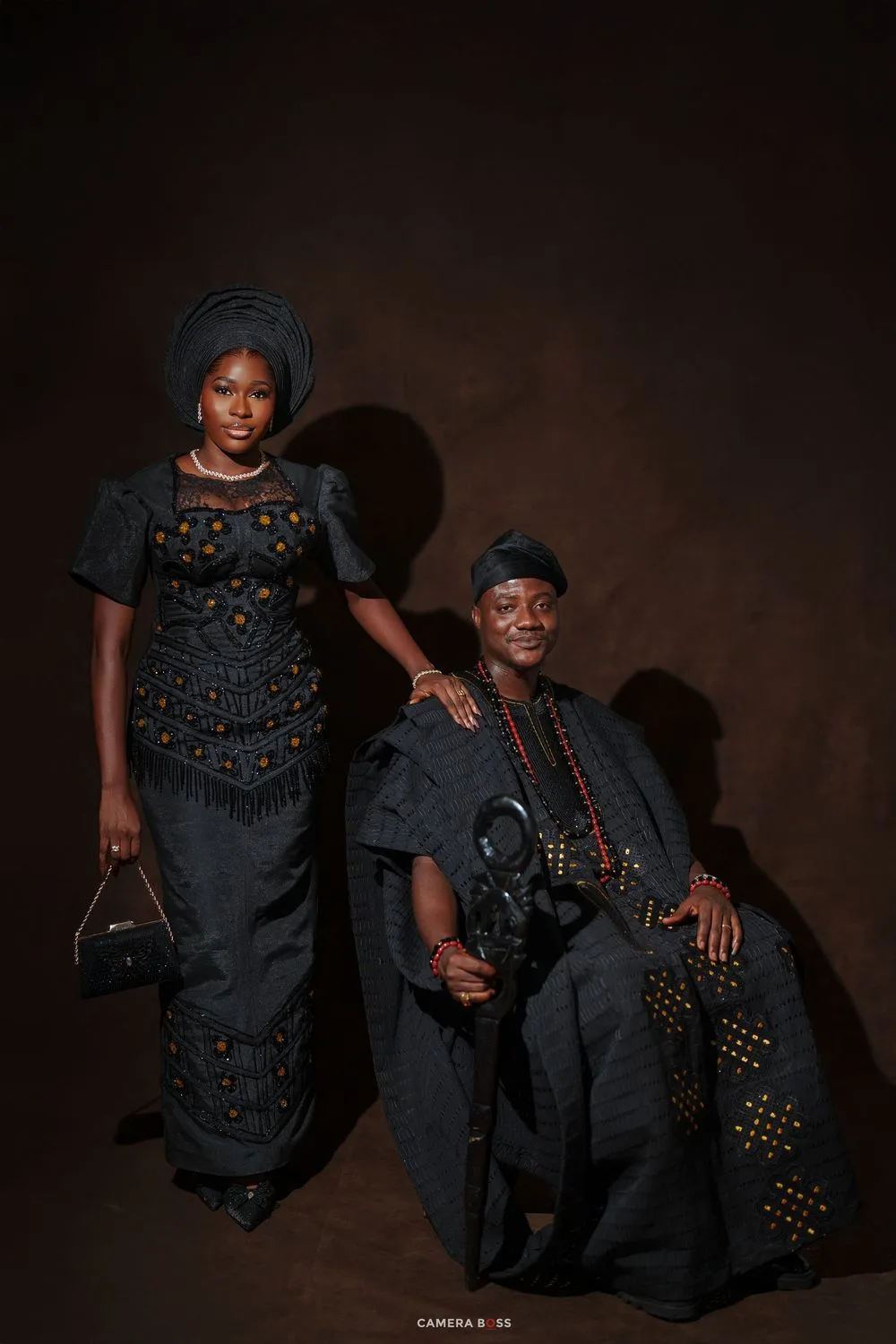
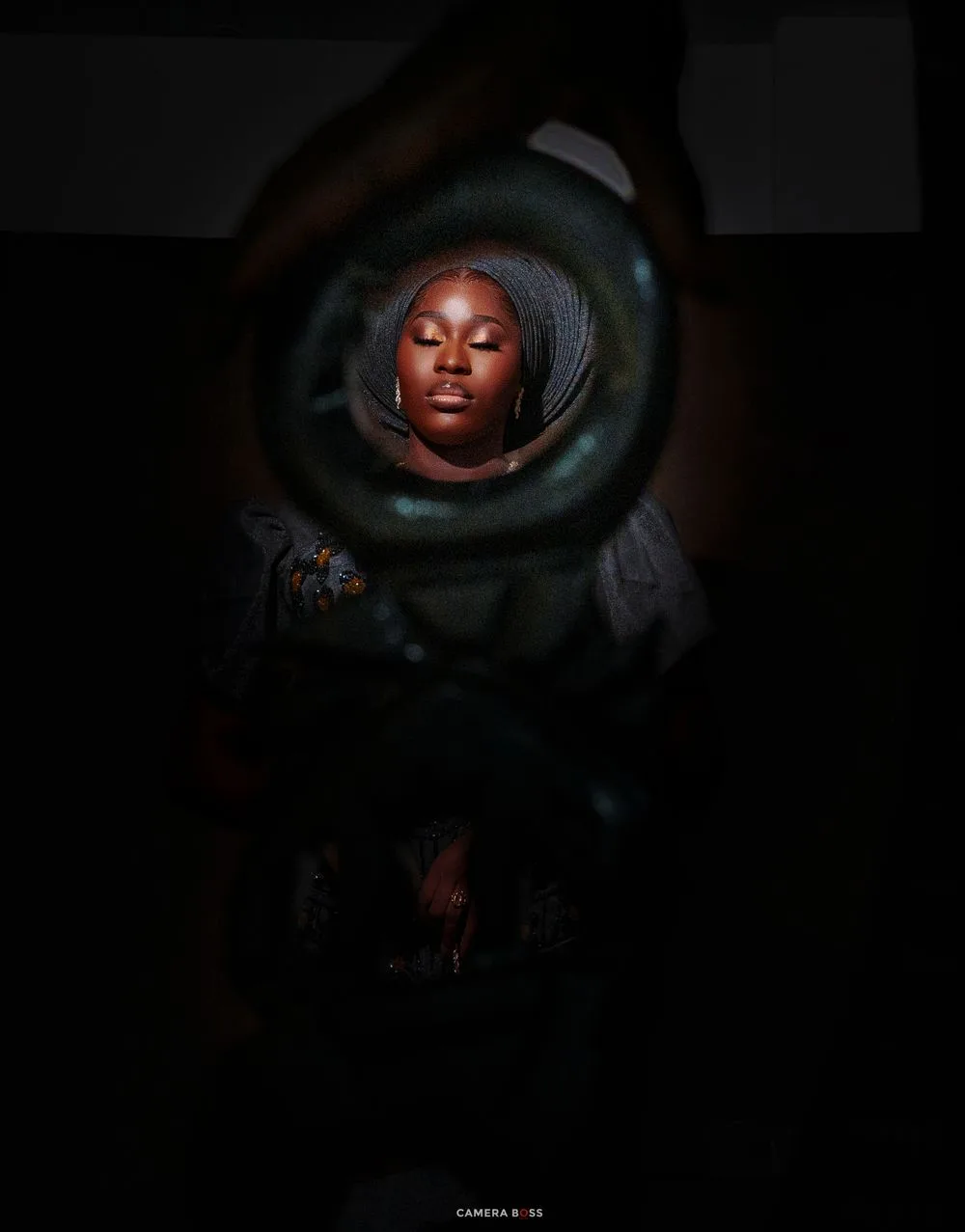
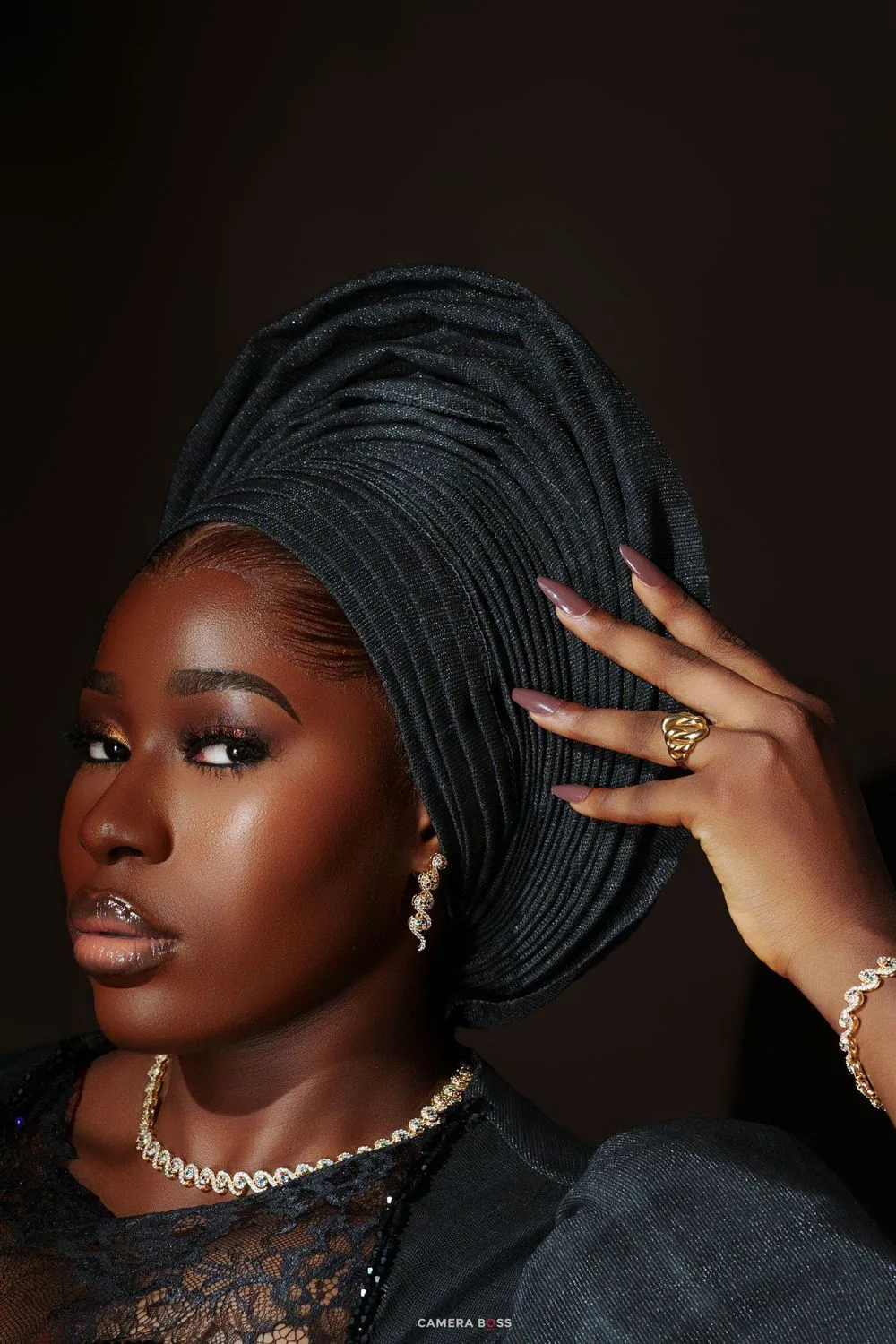
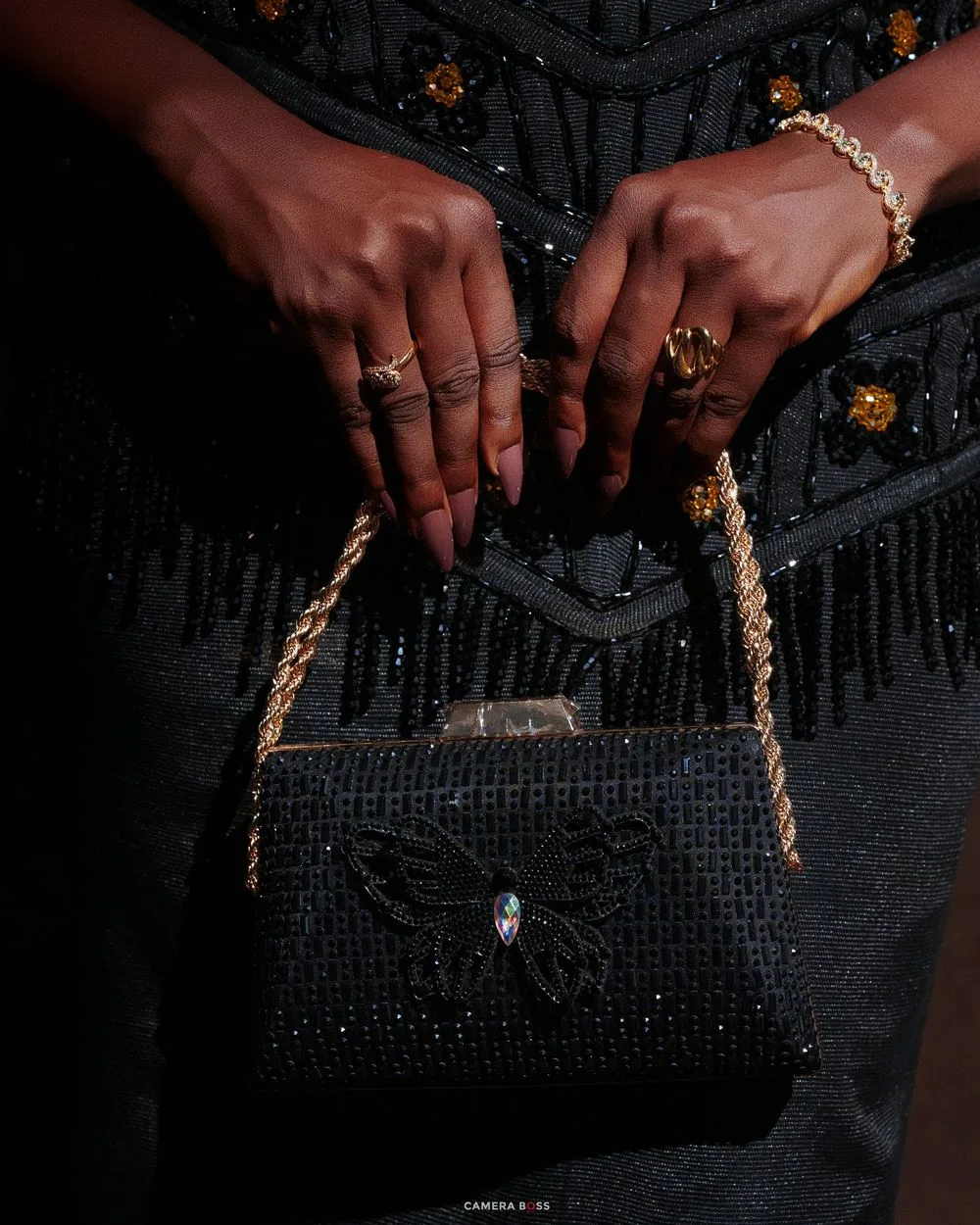
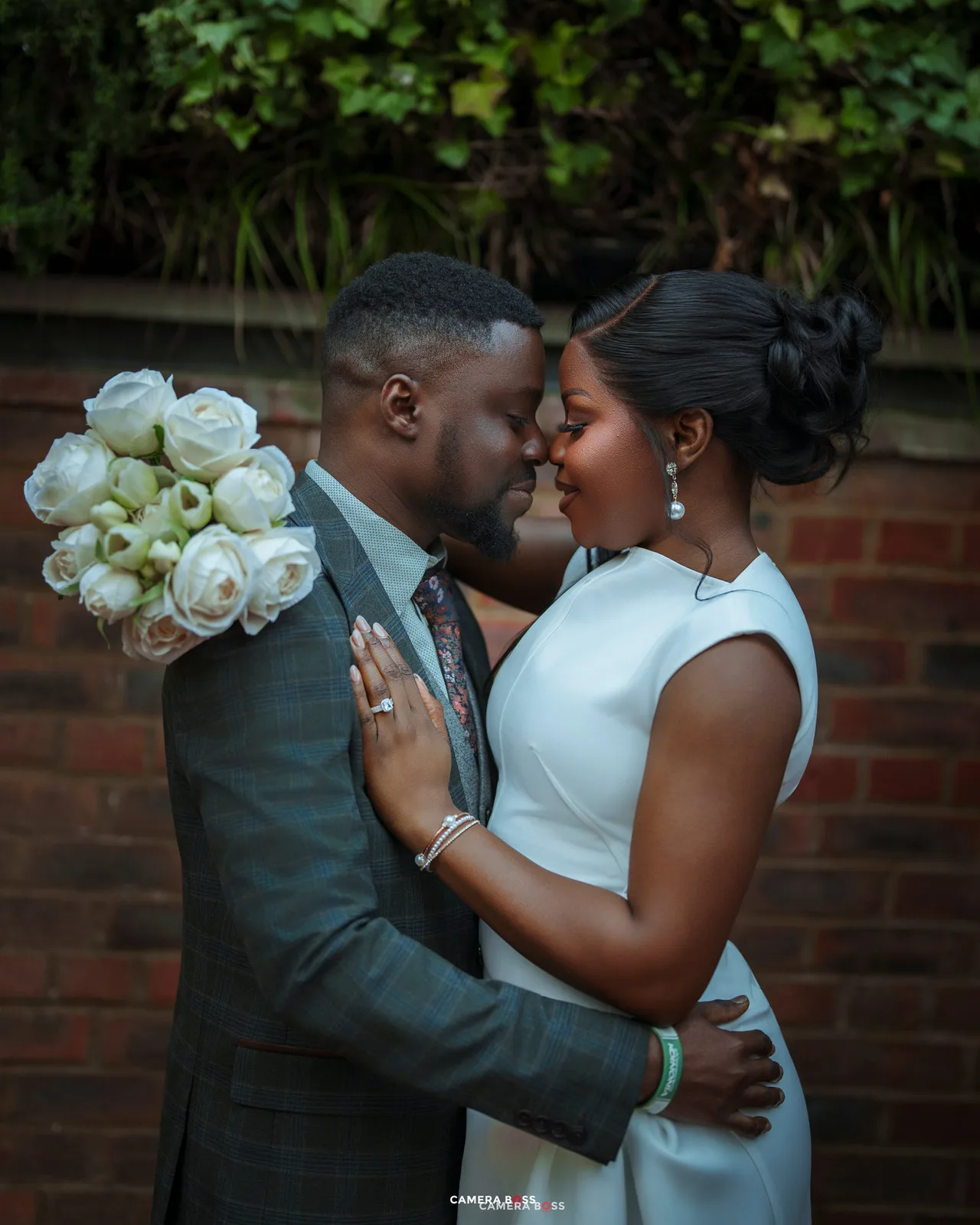
At Cameraboss, we have always shot with both the album and the screen in mind. The documentary approach we use — close, honest, emotionally present — translates beautifully to social media precisely because it is not staged. Frames that feel real perform well online. Overly posed, overly lit, generic “wedding look” photography has a short shelf life on any feed. The images that stop the scroll are the ones that feel like something actually happened in them.
The social-first shift has also accelerated a move away from heavy editing presets. In 2026, couples are asking for skin tones that look like their skin tones, colours that look like the fabric they actually wore, and an editing approach that feels honest rather than filtered. This aligns perfectly with the natural, documentary-led style we have always practised. We have written about this in depth in our piece on why couples in 2026 are rejecting photography trends in favour of timeless imagery.
For further reading on how the video side of wedding coverage is evolving, our earlier piece on drone, Super 8 and cinematic videography shifts in 2026 covers the technical evolution in detail.
Social-First Content at Nigerian and African Weddings: A Double Opportunity
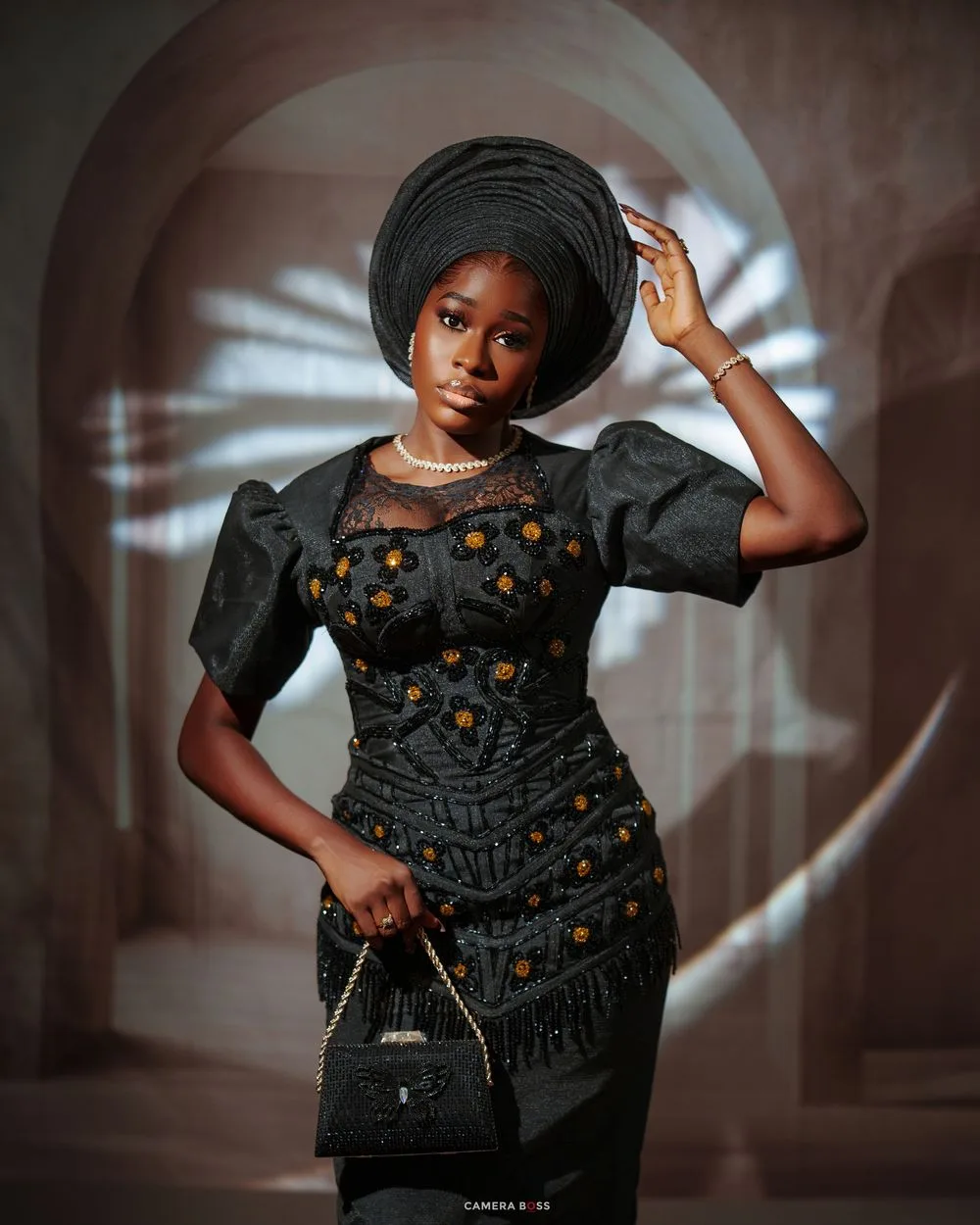
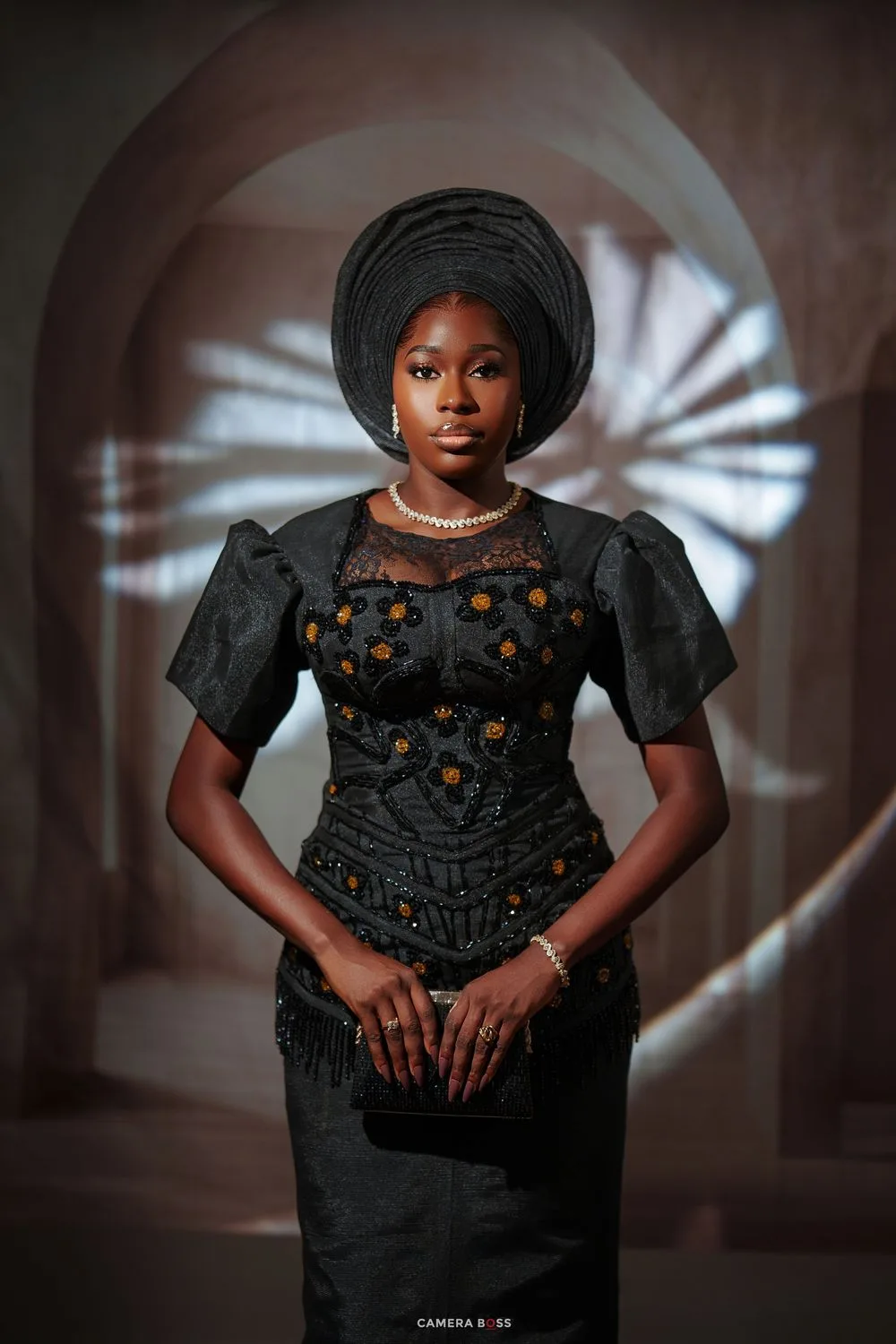
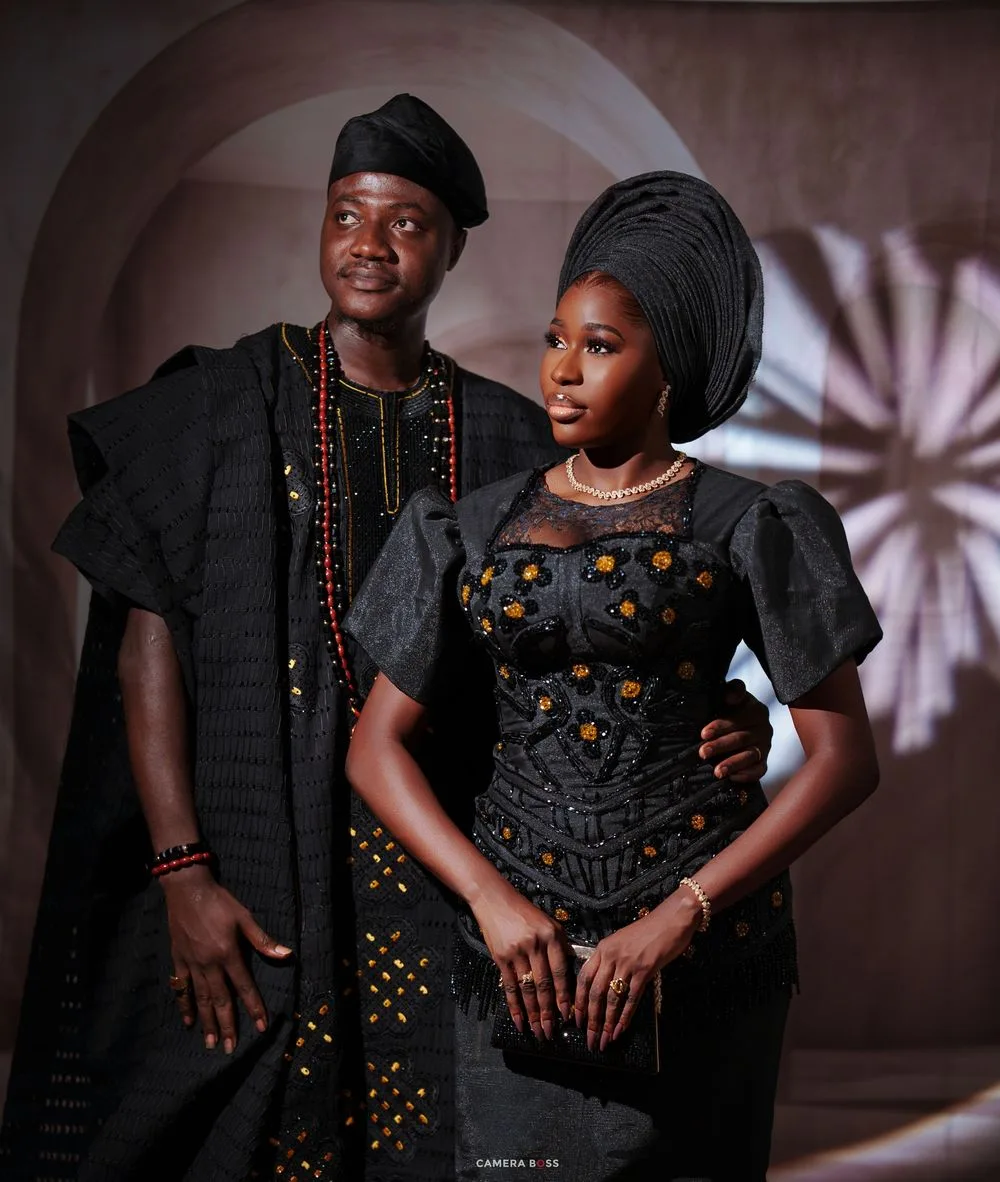
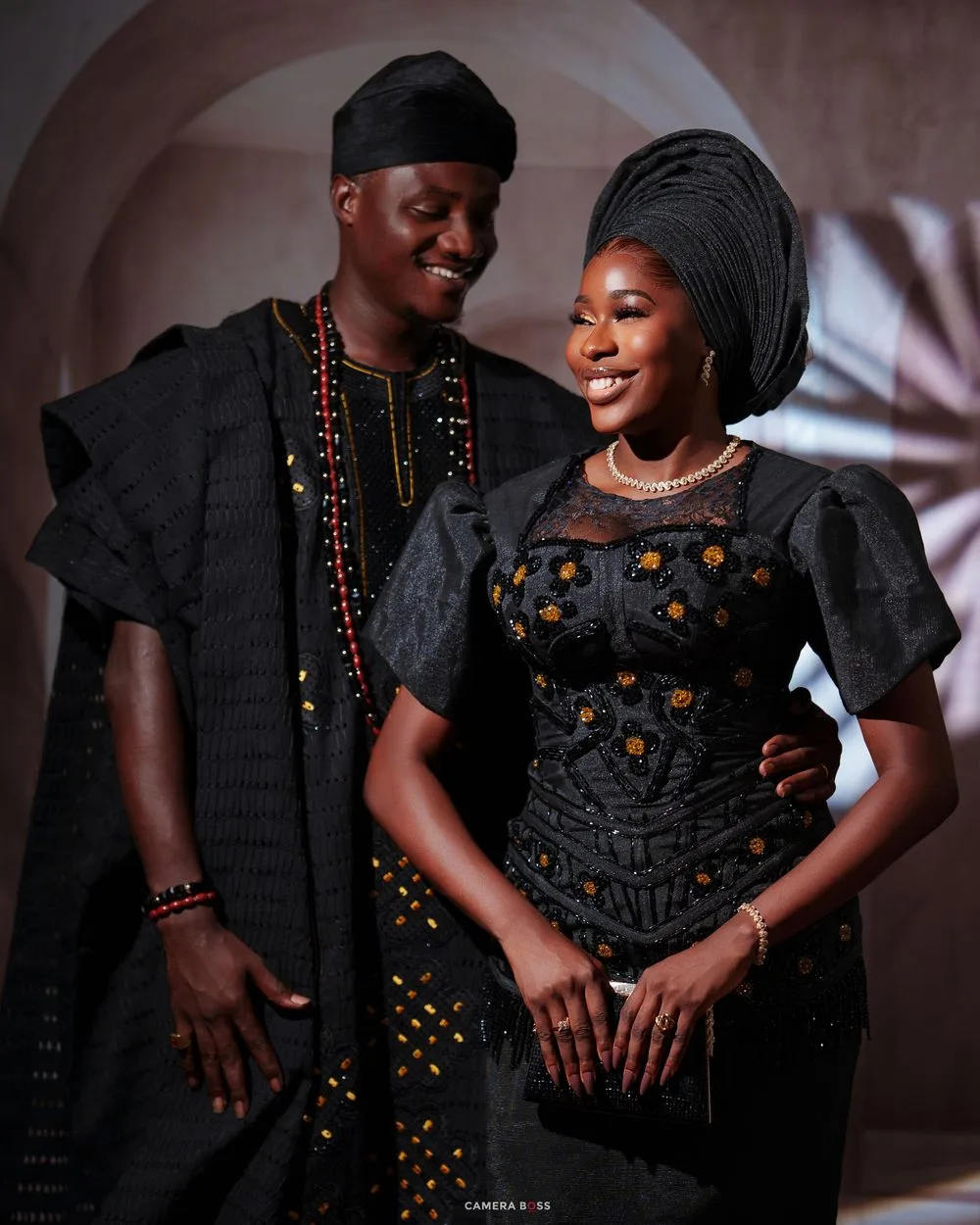
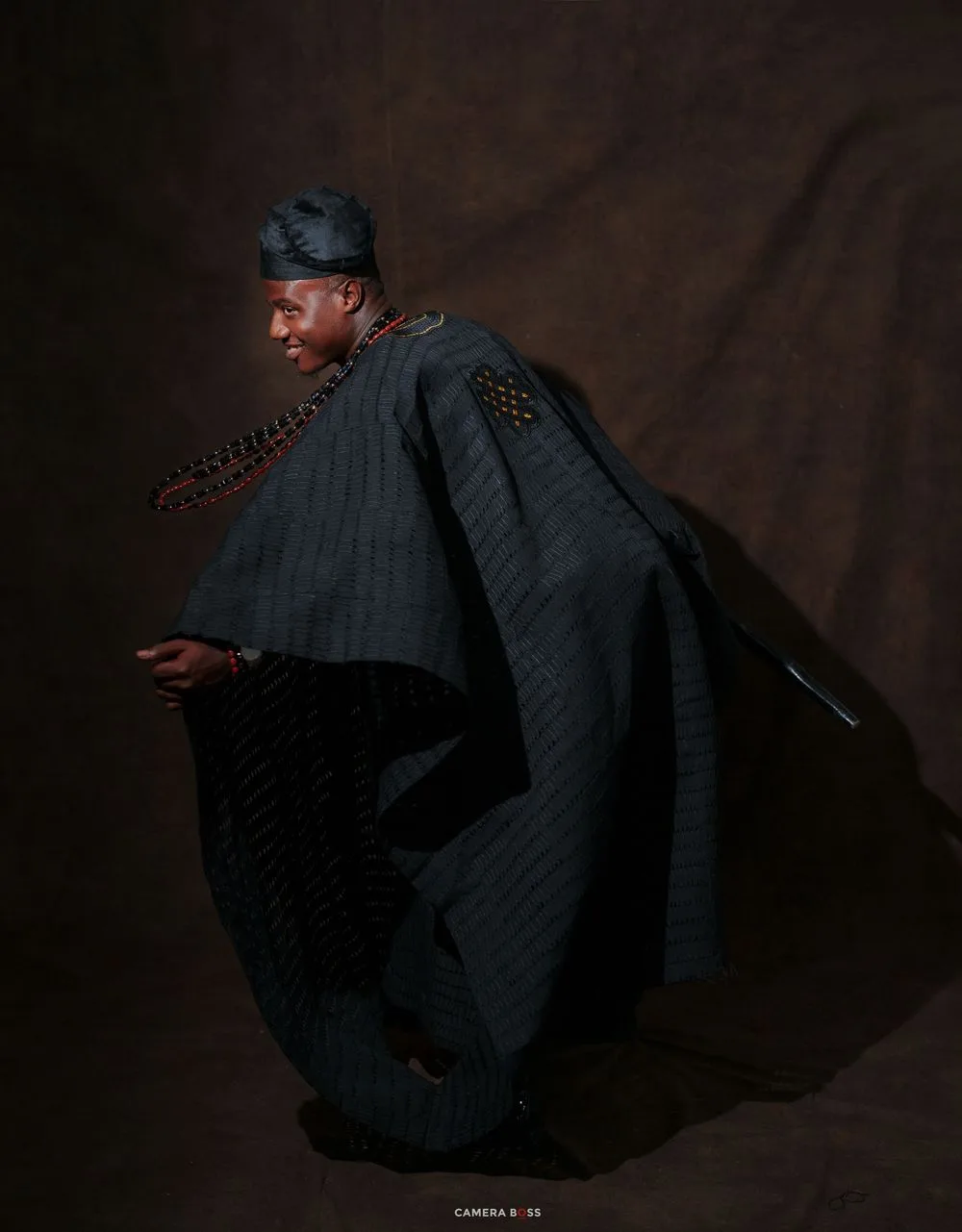
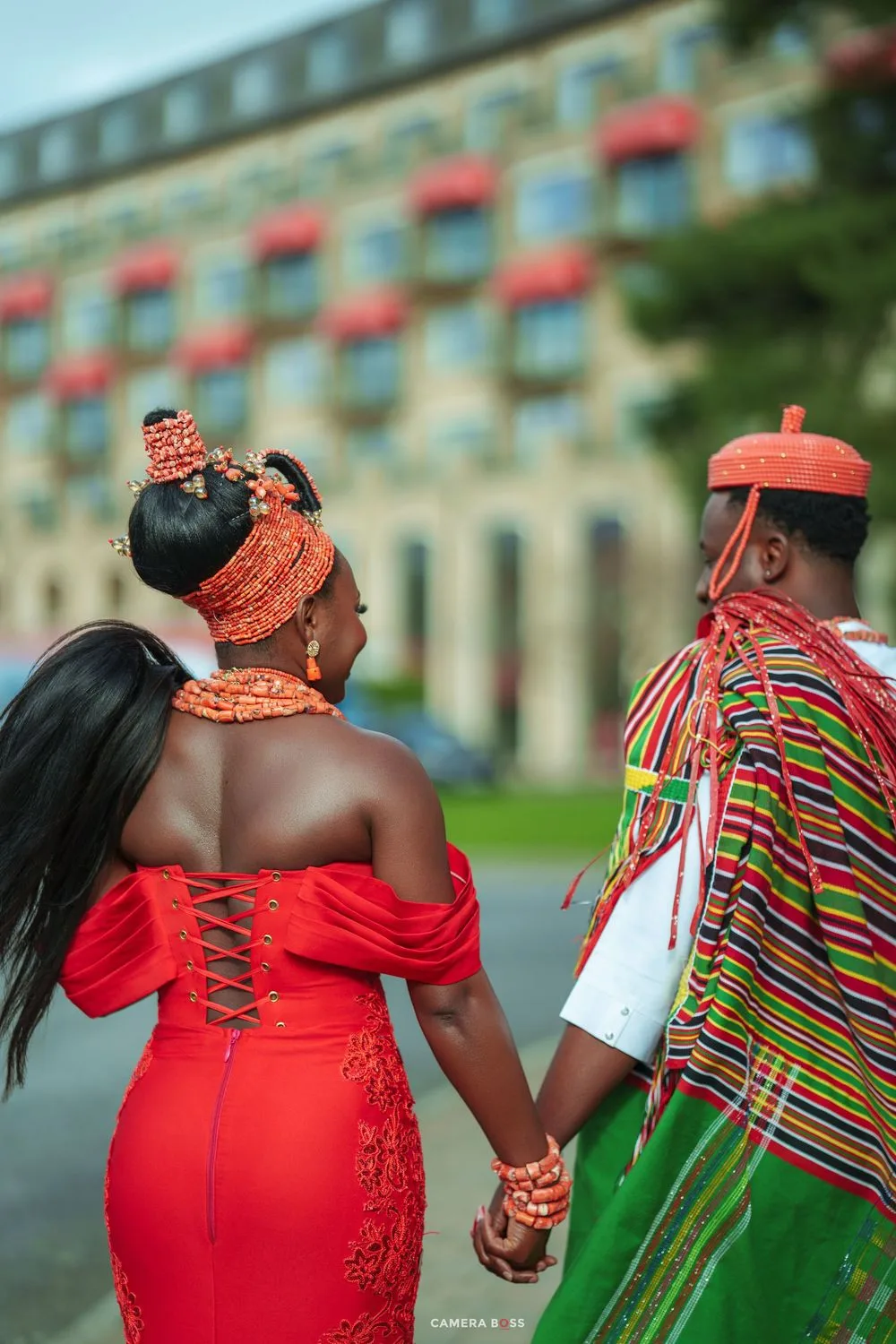
If you photograph Nigerian and African weddings — or if you are planning one — the social-first shift creates a particular kind of opportunity. Nigerian weddings are, by nature, high-energy, visually arresting, community-oriented events. They are designed to be shared. The Owambe spirit — the generosity, the noise, the colour, the dancing — is precisely the kind of content that performs extraordinarily well on TikTok and Instagram.
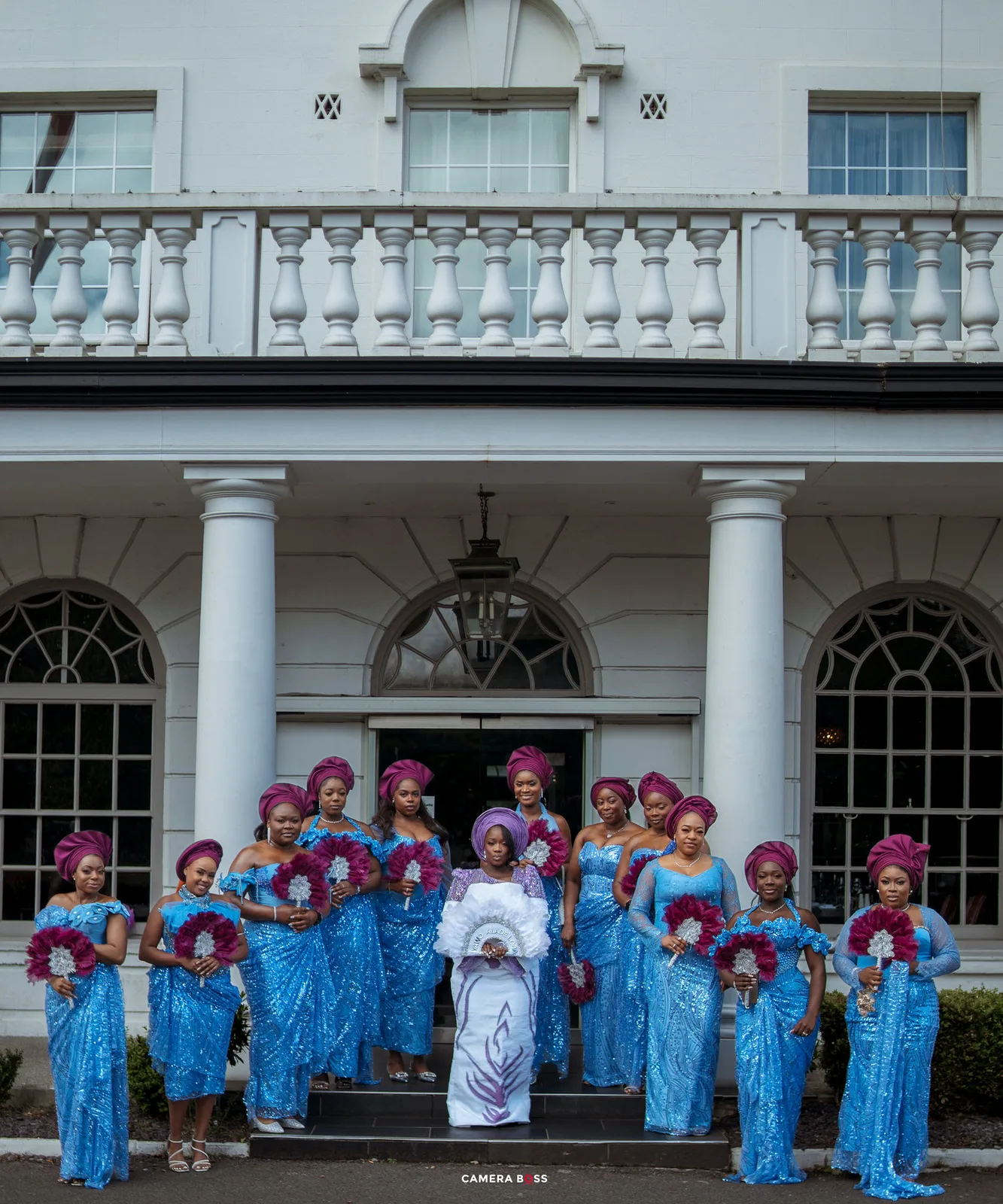
I have watched videos from Nigerian weddings in the UK go viral multiple times. Not because they were perfectly shot. Because they were joyful, because the Aso-Ebi was breathtaking, because the entrance was choreographed and the live band was deafening and the spraying was exuberant. The community on social media responds to this energy with enormous enthusiasm.
This creates an interesting dynamic for couples from Nigerian and African communities who are planning weddings in the UK. Your wedding is, already, extremely social-media-ready. The question is not whether it will be shared — it will. The question is how it will be represented. Guest clips on TikTok will capture the energy. What you hire a professional photographer for is to make sure that energy is also preserved with craft, intention, and the kind of compositional skill that turns a powerful moment into a lasting image.
We cover this intersection of culture and documentary photography in our work across the UK and Nigeria. You can explore our video work on the Cameraboss wedding videos page.
Should You Hire a Wedding Content Creator Alongside Your Photographer?
This is one of the most common questions we are asked in 2026, and we covered the full comparison in an earlier post: Wedding Content Creators vs Photographers: What UK Couples Need to Know. The short version is this: a content creator and a photographer are not interchangeable, but they can be deeply complementary.
A dedicated wedding content creator — someone whose sole job is to shoot vertical, social-optimised content throughout the day — will deliver you fast-turnaround Reels, Stories, and TikToks, often the same night or within forty-eight hours. They are built for immediacy and social distribution. What they are not built for is the deep documentation that a professional photographer provides: the fine art print, the full gallery, the archival-quality images that will still be gorgeous in twenty years.
If your budget allows and social presence matters to you, having both is increasingly the norm among couples who are also building a public-facing brand — creators, entrepreneurs, or simply people with an active community online. If you are choosing one, choose the photographer. The content creator produces content. The photographer produces memories.
What the Next Few Years Look Like for Wedding Photography
A few things feel certain to me as I watch this space from inside it. The demand for authenticity is not a passing trend — it is a corrective swing away from the over-produced, over-filtered, and over-posed wedding imagery that dominated the 2010s. Couples who grew up consuming that aesthetic on Instagram now find it hollow. They want their wedding to look like their wedding, not a stock photo with their faces in it.
The integration of social-first thinking into professional workflows will deepen. The fastest-turnaround photographers — those who can deliver a curated preview gallery within twenty-four hours — will have a genuine competitive advantage among social-media-active clients. This is something we have been building into our workflow for the past two years.
AI-assisted editing will continue to accelerate the technical side of post-production, but it will not replace editorial judgment. The decision of which frames to deliver, how to sequence a gallery, which image captures the emotional truth of a moment — these remain irreducibly human. We wrote about this in our piece on why wedding photography is increasingly being treated as fine art in 2026, and the argument holds: what AI can accelerate, it cannot replace.
And the phone in the guest's hand will remain. It will get better every year. It will continue to produce astonishing accidental footage. And it will continue to remind us — those of us who do this professionally — that we are not in the business of being the only camera in the room. We are in the business of being the most intentional one.
Frequently Asked Questions: Social-First Content & Wedding Photography
What is social-first wedding content?
Social-first content refers to photos and videos created with social media distribution in mind — vertical formats, fast turnaround, and an editing style that performs well on platforms like Instagram and TikTok. In 2026, many couples are explicitly asking their photographers and videographers for a social-first deliverable alongside their main gallery and film.
Is it a problem if guests film during the ceremony?
From a photography standpoint, guest phones in the aisle can occasionally obstruct key frames — particularly during the ring exchange or the kiss. It is worth discussing with your venue coordinator whether an “unplugged ceremony” is appropriate for you. Many couples opt for an unplugged ceremony and phone-friendly reception, which gives you the best of both worlds: clean, professional ceremony coverage plus energetic social media content from the dancing and speeches.
How quickly can I expect to receive my wedding photos?
At Cameraboss, we typically deliver a curated preview gallery within a short window after the wedding, with the full edited gallery to follow. Turnaround times vary by package and season — we discuss this in detail during the booking process so expectations are clear from the start.
Do you deliver images in formats suitable for social media?
Yes. All images are delivered in high-resolution formats suitable for both print and screen. We can also discuss social-optimised crops and a quick-share selection if that is a priority for you.
Is wedding photography on TikTok changing how couples choose their photographers?
Increasingly, yes. Many couples are discovering photographers through TikTok and Instagram Reels — often before they visit a website or look at a formal portfolio. This makes a photographer's social media presence a genuine part of the vetting process in 2026. You can find us at @thecameraboss on Instagram and @the_cameraboss on TikTok.
The Takeaway: Own the Moment, Then Own the Story
The social-first era has not made professional wedding photography less important. If anything, it has made it more so — because the volume of content produced at every wedding is now so vast that the curation question becomes urgent. Of the ten thousand frames captured across a wedding day, by guests and professionals alike, which ones tell the story? Which ones do you keep? Which ones do you print and frame? Which one goes on the wall?
Those are editorial decisions. They require taste, skill, and a deep understanding of the human story being told. They cannot be crowdsourced from a WhatsApp group.
At Cameraboss, we are a documentary photography brand with a fine art sensibility. We work across the UK and Nigeria with couples who want their wedding to be genuinely, beautifully documented — not just adequately covered. The social moment will come and go. The photographs we make will still be on your wall when your children are grown.
Explore our wedding gallery, read about our packages and pricing, or come and find us on Instagram where we share the work in real time.
See the Work. Then Let's Talk About Your Day.
We are a documentary photography brand with 85K+ on Instagram and a fine art exhibition record. If you want your wedding photographed with craft and cultural intelligence, we would love to hear from you.