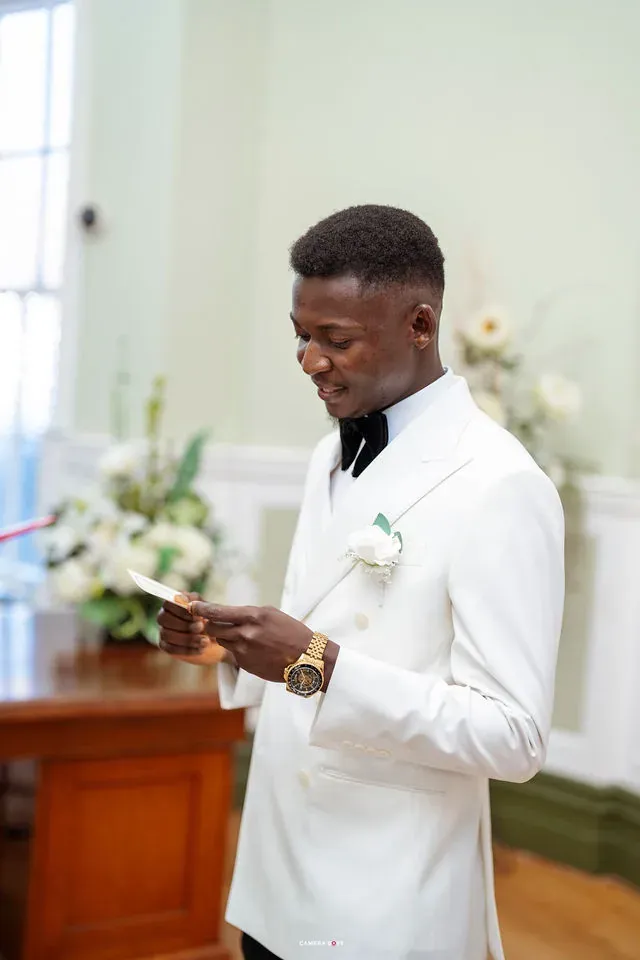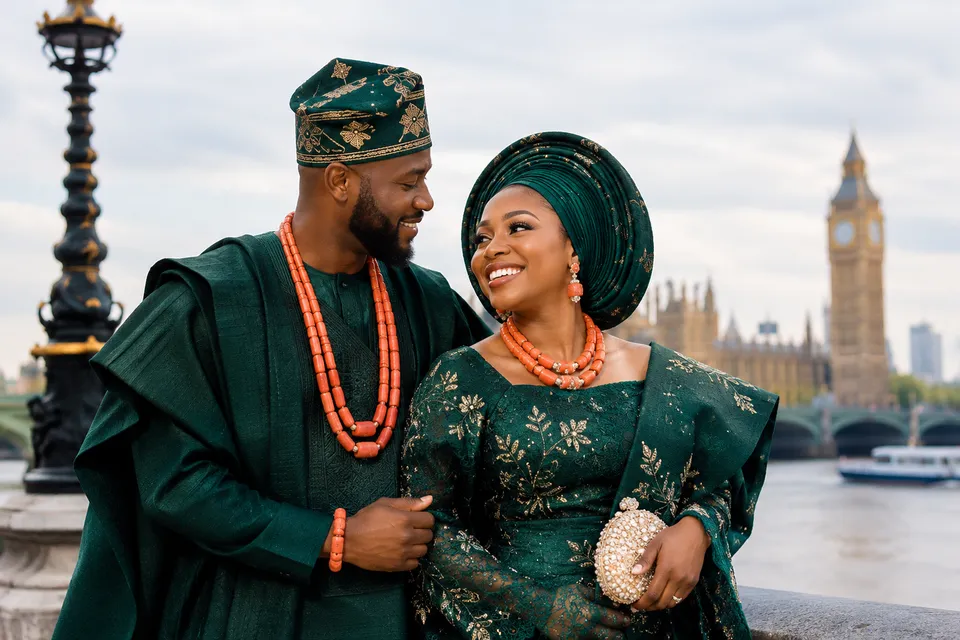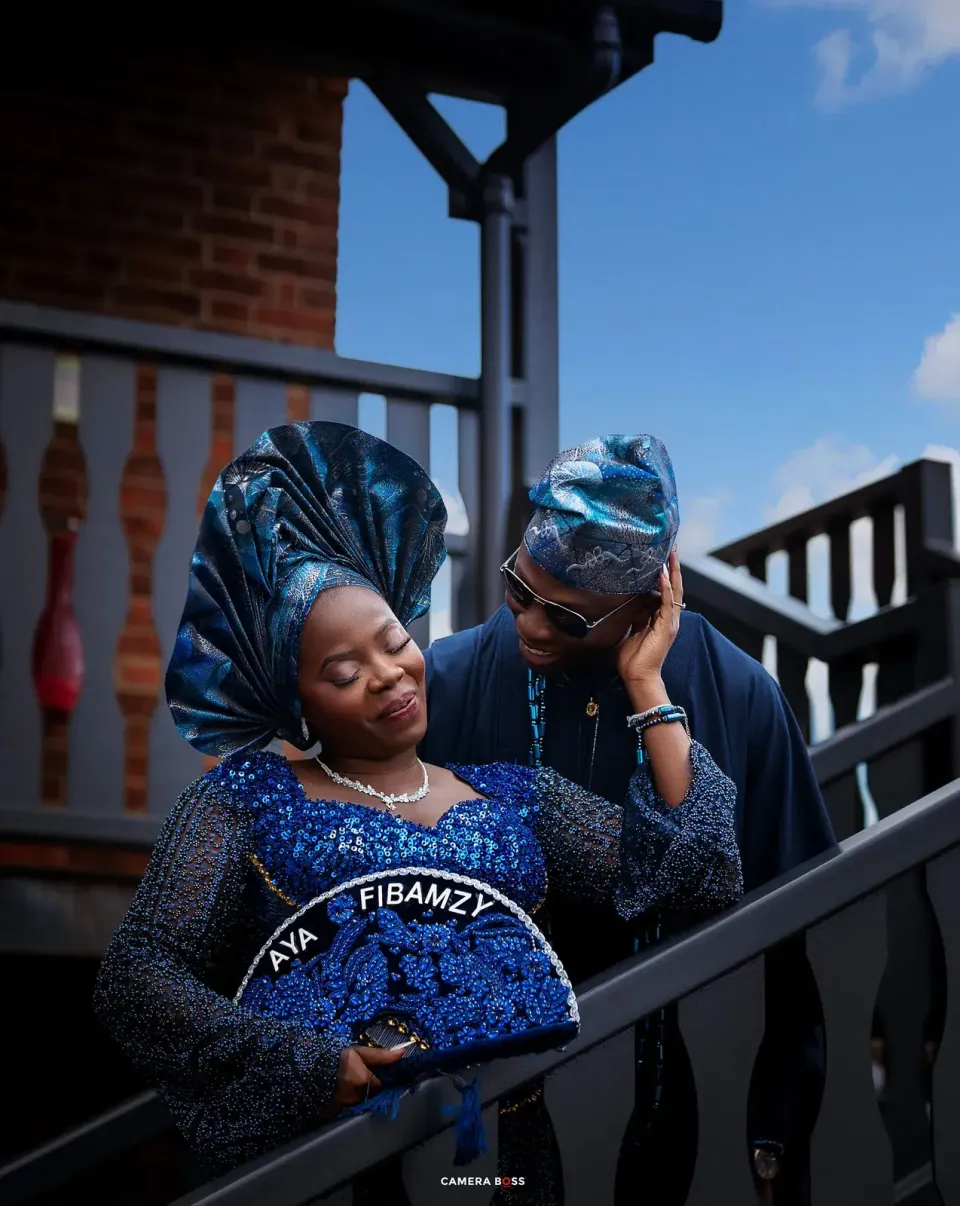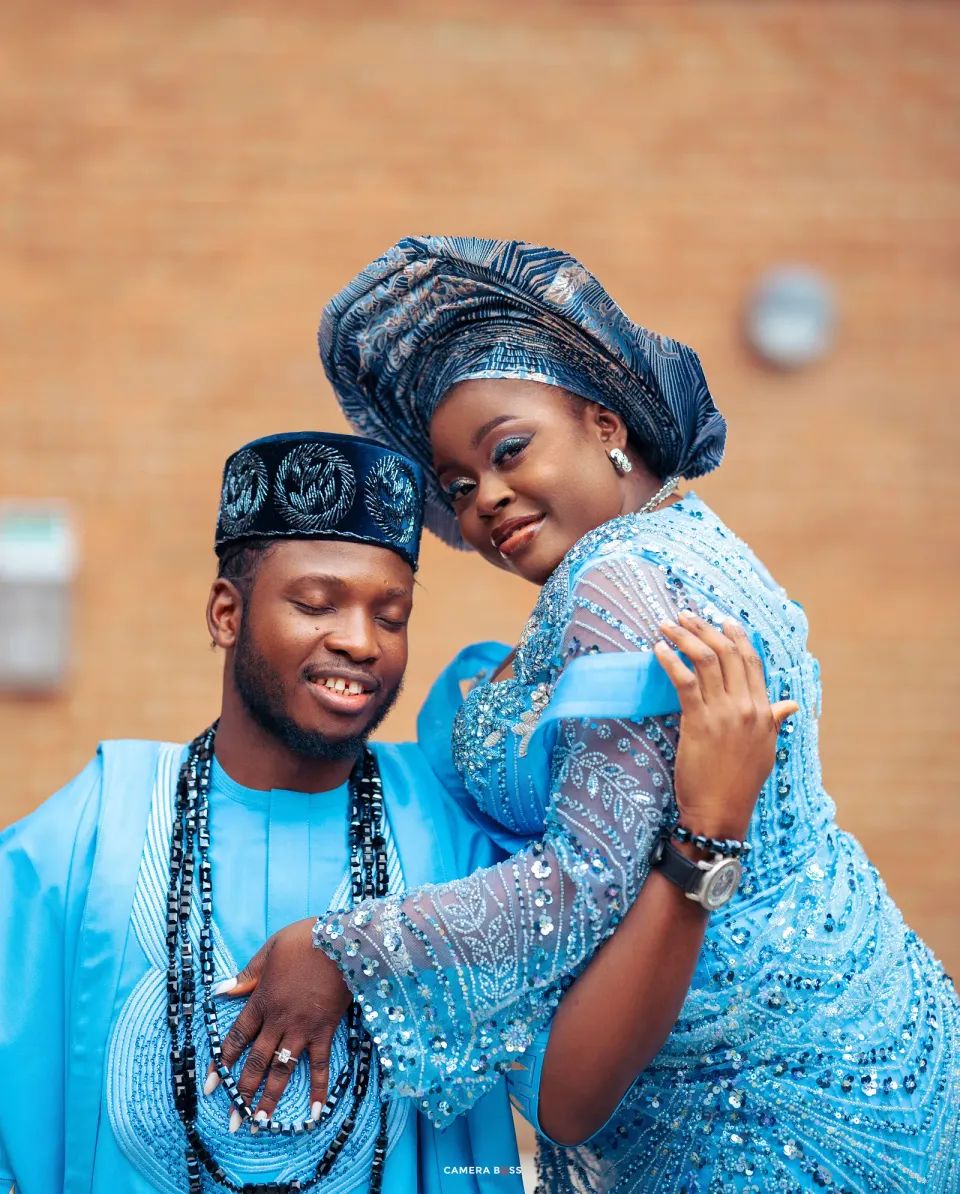
Natural wedding photographs should feel familiar when you look back at them: your expressions, your guests and the way the day unfolded. The label covers several working styles, so it helps to find out how much direction a photographer gives and when. Compare complete galleries and ask about portraits, family groups and difficult light before deciding whether their approach suits you.
What photographers mean by natural
You will see words such as relaxed, candid and unobtrusive on many photography websites. They describe an intention, but give you little detail about how the day will be handled. Ask what the photographer does during preparations, the ceremony and portraits, then look for that approach in their galleries.
Reportage records events with little intervention. In directed portraiture, the photographer chooses a position or gives an instruction to shape the picture. Most wedding coverage combines these approaches. Understanding the balance is more useful than choosing a photographer from one descriptive word.
A ten hour wedding can produce 3,000 to 5,000 raw frames. Couple portraits commonly take 20 to 40 minutes, with another 15 to 25 for family groups. On a day organised this way, roughly 90 per cent of the coverage can be observational. The discussion about posing concerns a relatively small part of the day, although that time still needs planning.
A portfolio could contain mostly photographs from that hour of directed coverage. Ask to see the other nine hours too, including preparations, conversations and the quieter parts of the reception.
Working without constant direction
Unposed photographs still need attention to position, timing and light. Two photographers can work in the same room and notice different things. Knowing how someone works helps explain the differences between their galleries.
I use a 35mm lens for much of a wedding, which often puts me within two metres of a conversation. A longer lens lets a photographer work from across the room and creates a different sense of distance in the picture. Working close requires people to become comfortable with my presence. Arriving during preparations gives them time to do that before the ceremony.
Timing changes an expression. One frame records a hug at one instant; twelve frames may include the third second, when someone relaxes into it. A useful expression often develops two to four seconds into an embrace. Staying with the moment gives the photographer a chance to notice that change.
Available light can preserve the atmosphere of a ceremony room, particularly a small register office lit by windows. It may require higher ISO settings and some visible grain. Discuss the photographer's lighting approach and the registrar's requirements beforehand, so the decision suits the actual room.
Making room for groups and portraits
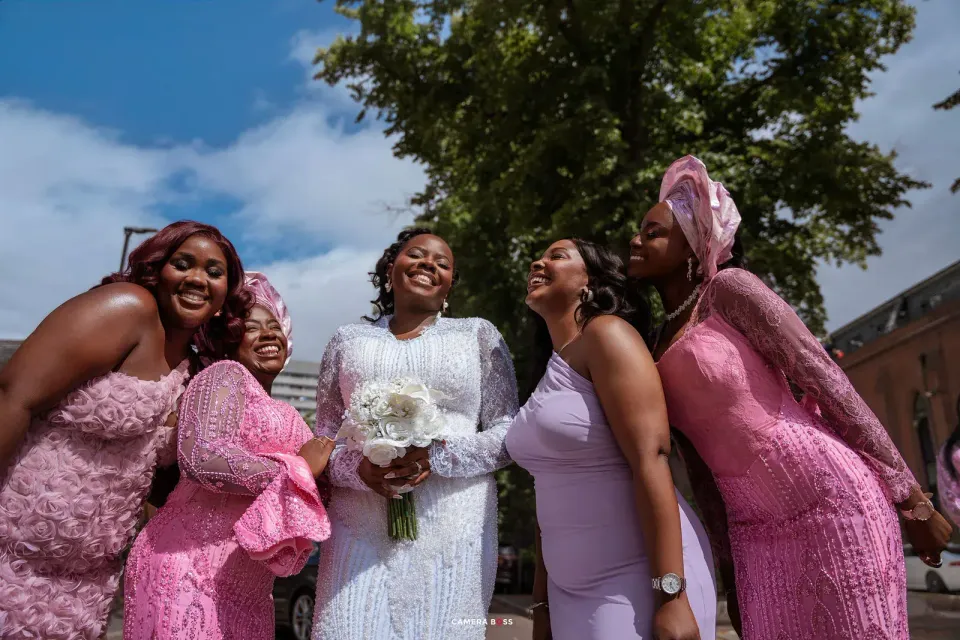
Some photographs need organising. Agree which ones you want and how much time to allow, so a mostly observational approach still includes the people and portraits that matter to you.
A photograph of your grandmother with both sides of the family needs a group list and someone to help gather people. Allow roughly 90 seconds per combination: ten groupings would take about 15 minutes. Eighteen combinations may take half an hour, especially if they are added without warning. Give your photographer the list in advance and choose a helper from each family.
Couple portraits can use simple instructions. Walking together and talking, then returning towards the photographer, gives you something to do without holding a rigid pose. I can choose the position for its light while leaving you free to respond to each other. The direction is small, but it helps the session feel manageable.
Photographs where you look into the lens are posed, and you can ask for them. Discuss how many you would like. A short session can sit comfortably within a gallery that otherwise follows the day as it happens.
Handling changing light and skin tones
An observational style still requires technical choices. The photographer has to respond to the room without repeatedly stopping the people in it to rearrange a scene.
A reception can combine daylight, warm tungsten wall lights and changing LED colours on the dance floor. Those sources may give faces different colour casts in different parts of the same room. The photographer needs to plan exposure and colour correction around that mixture, rather than expect one preset to suit every frame.
Default metering and editing presets can make deeper skin tones look grey, muddy or too warm if they are used without checking the result. As a British Nigerian photographer, I have spent years covering Nigerian, Caribbean, South Asian and mixed heritage weddings in London, Leicester and Manchester. I pay particular attention to exposure for darker skin and grade each set by hand, checking that the people remain recognisable as the light changes.
CameraBoss was named Creative Photographer of the Year at the Creative Industry Awards 2024. You can assess the photography itself in the CameraBoss galleries, including how skin tones look in different settings, and in our editorial and portrait work.
Comparing full wedding galleries
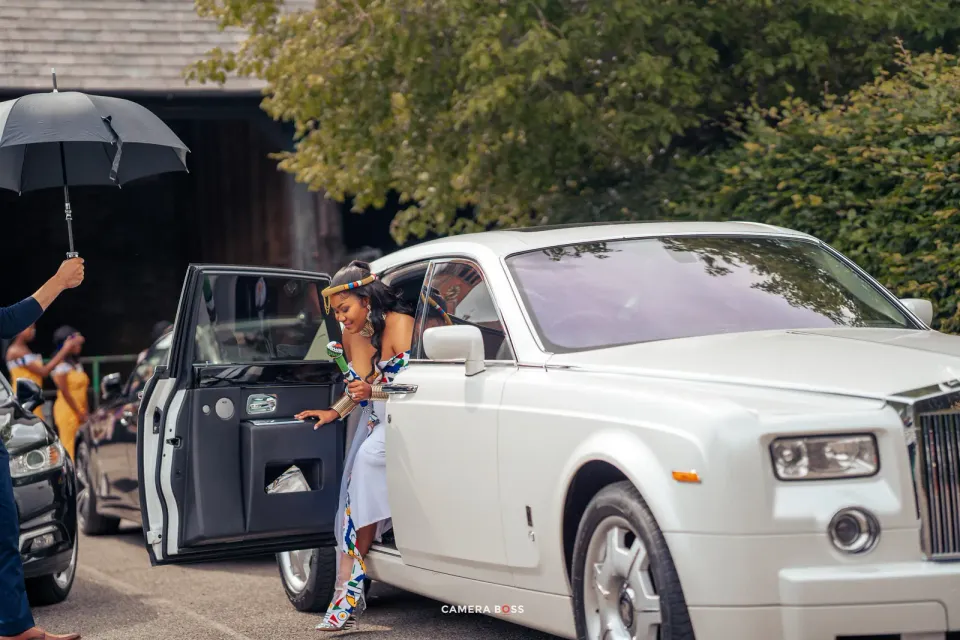
A selected portfolio shows a photographer's favourite work. These five checks help you understand what the rest of a wedding gallery looks like and how the day is managed.
- Request a complete wedding gallery. A selection of 30 photographs could leave out the less consistent frames from a day with 400 strong pictures and 200 weaker ones. Look through the whole sequence to judge how well the standard holds across changing rooms and light.
- Notice how often people are looking into the lens. If more than a quarter of a gallery consists of people posing for the camera, ask how that reflects the couple's requests and the photographer's usual approach.
- Ask how long couple portraits take. A 20 to 40 minute session leaves much of the day for observational coverage. A 90 minute session is closer to an extended fashion shoot. Choose the amount of direction and time that fits the photographs you want.
- Discuss difficult conditions: rain, a dark church or a January ceremony finishing at half three. Ask how the photographer would adjust the plan and what they would need from you or the venue.
- Look for a gallery from a setting like yours. A bright barn and a dim Victorian hotel present different lighting problems. Ask how the photographer would prepare for the room you have booked.
Our experience and process page explains how a CameraBoss wedding day is planned, from the first conversation through to the finished gallery.
Prices and coverage for a 2026 wedding
A price paid in 2022 may not be a useful comparison for a later booking. Bridebook's 2026 Wedding Report gives a UK range of roughly £500 to £2,500 and an average of £1,484, with London and the South East usually £200 to £500 higher. The Institute of Wedding Photographers gives £1,600 to £3,000 as a guide for established professionals covering a full day. Compare the hours and finished work included in each quote.
Bridebook estimates 40 to 60 hours of total work behind a £1,500 wedding. That is consistent with the editing time in my diary: selecting around 600 photographs from 4,000 frames and finishing them can take 20 to 30 hours. Confirm delivery in writing. A second photographer may add £400 to £600, and popular summer Saturdays are often booked 18 to 24 months ahead.
Ask about selection and editing as well as time on the wedding day. The finished photographs depend on the work done after the guests have gone home.
If a quote includes a session before the wedding, 300 edited photographs and a 40 page album, check exactly what each item covers. Our pricing page has the current details. You can also compare wedding video coverage if you want sound and movement recorded. Bridebook’s 2026 photography guide reports that about one third of couples choose a videographer. Decide whether you want the vows and speeches recorded, then confirm the film coverage and cost in your written quote.
Common questions
Will natural coverage include posed photographs?Family groups and a short couple session usually involve direction. They can take less than an hour within a ten hour wedding, leaving the rest of the day for photographs of events and conversations as they happen.
We feel awkward on camera. Would this approach suit us?It often suits people who feel self conscious, because there is little need to perform for the photographer. An hour together at a session before the wedding can help you get used to the camera and any simple instructions.
How many finished photographs should we expect?A full day often produces 400 to 700 edited images. If your quote specifies 300 finished photographs, ask what those include and look at a complete example gallery. A larger total, such as 900 pictures, may include more repeated frames, so assess the selection as well as the number.
Would a second photographer help?A second photographer can help with more than about 80 guests, or when both partners prepare in separate locations. They can cover events taking place at the same time in different rooms. An illustrative additional budget is £400 to £600.
When should we book?Photographers in demand often take summer Saturday bookings 18 to 24 months ahead. Winter and weekday dates may have more availability and lower prices. Once you have found a style and coverage plan you like, ask about your date.
Tell us about your wedding
Send your date and venue, along with the photographs you most want to keep. We can discuss how to cover the day and how much direction you would feel comfortable with.