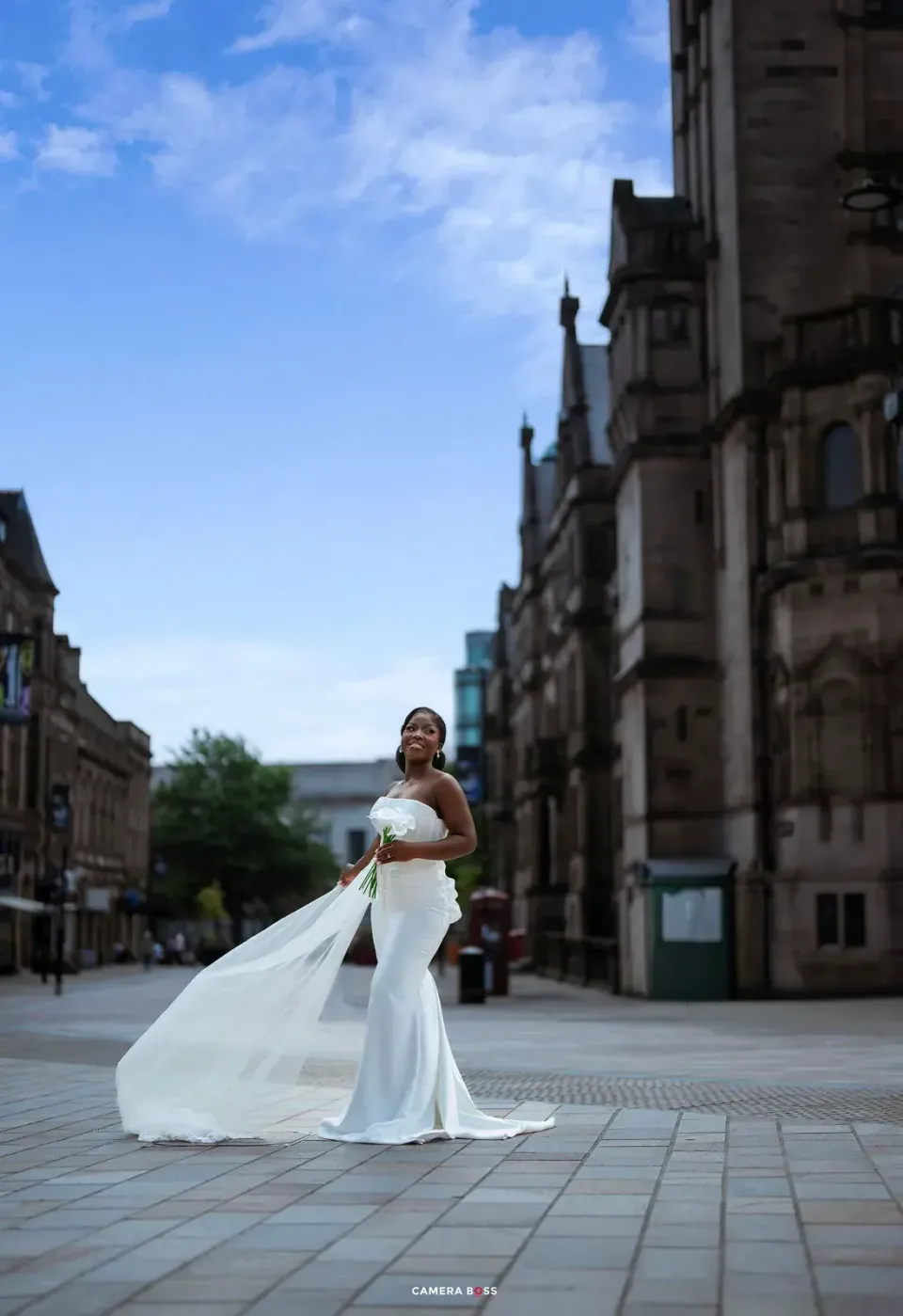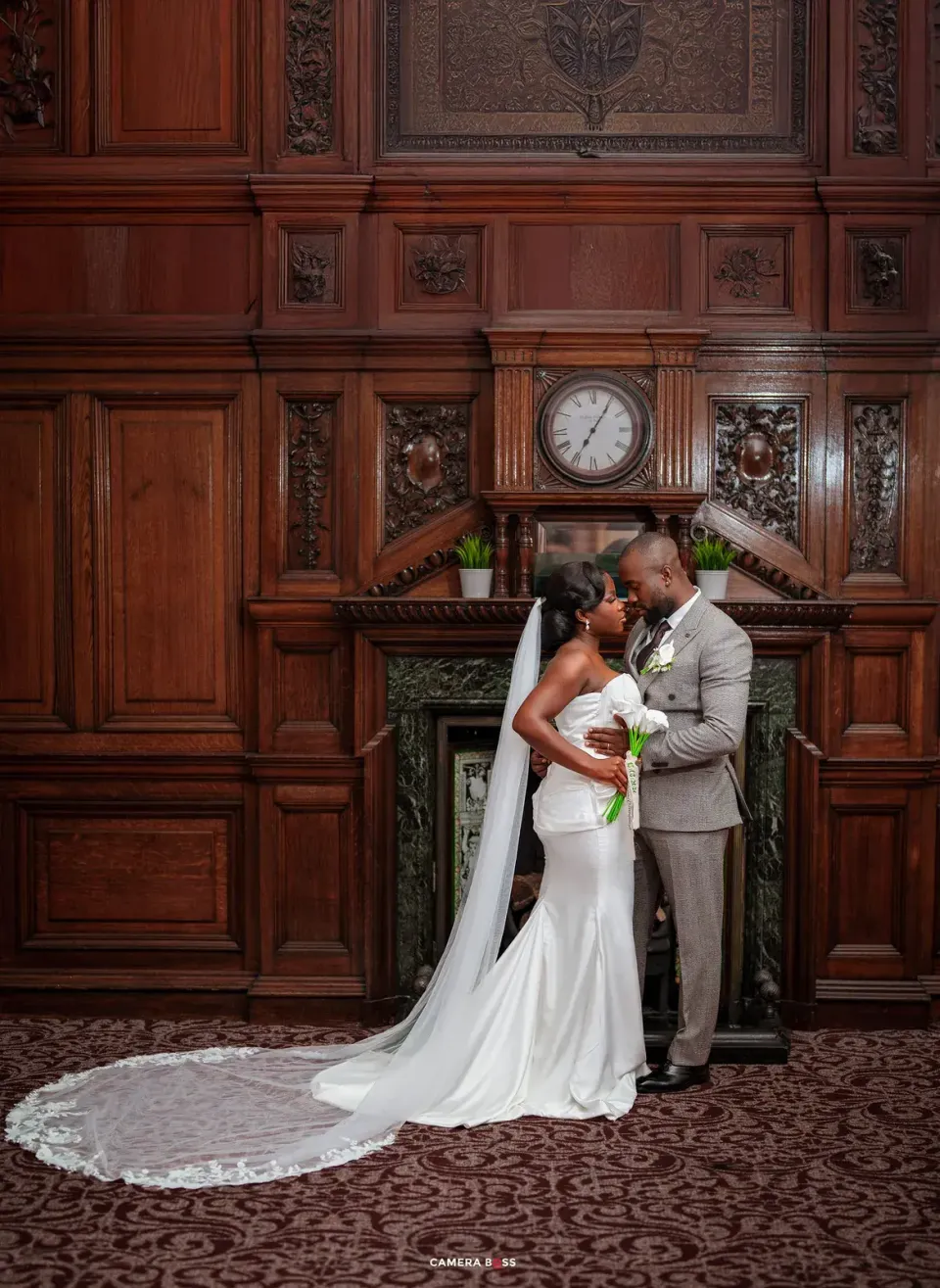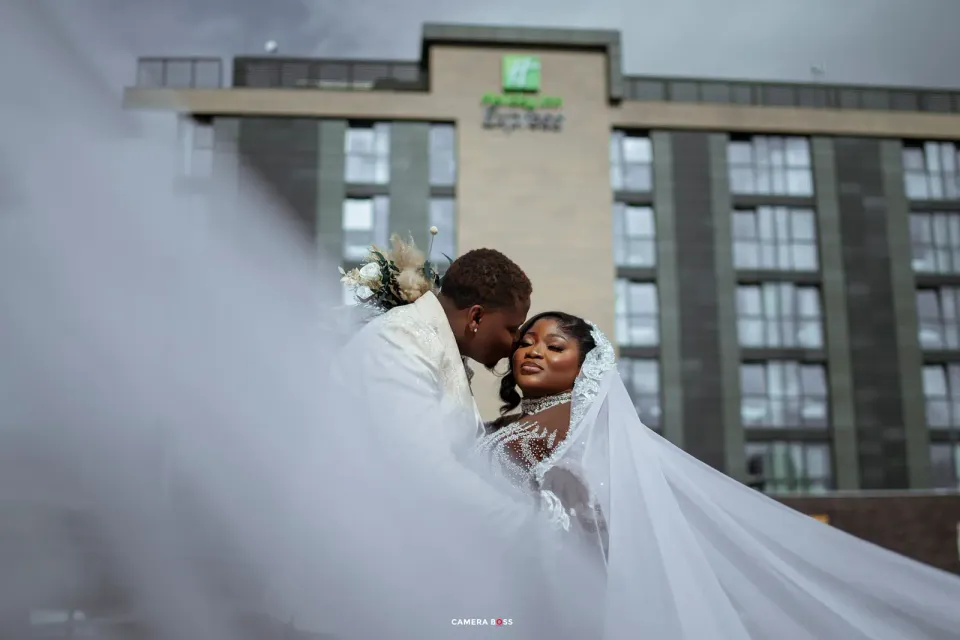
Editorial wedding photography gives you time for portraits with carefully chosen light and composition. It can sit alongside photographs of the ceremony, guests and events as they happen. Before choosing this style for a 2026 wedding, ask how the portrait sessions fit into the timetable and what the photographer needs to make the pictures you like.
What editorial coverage involves
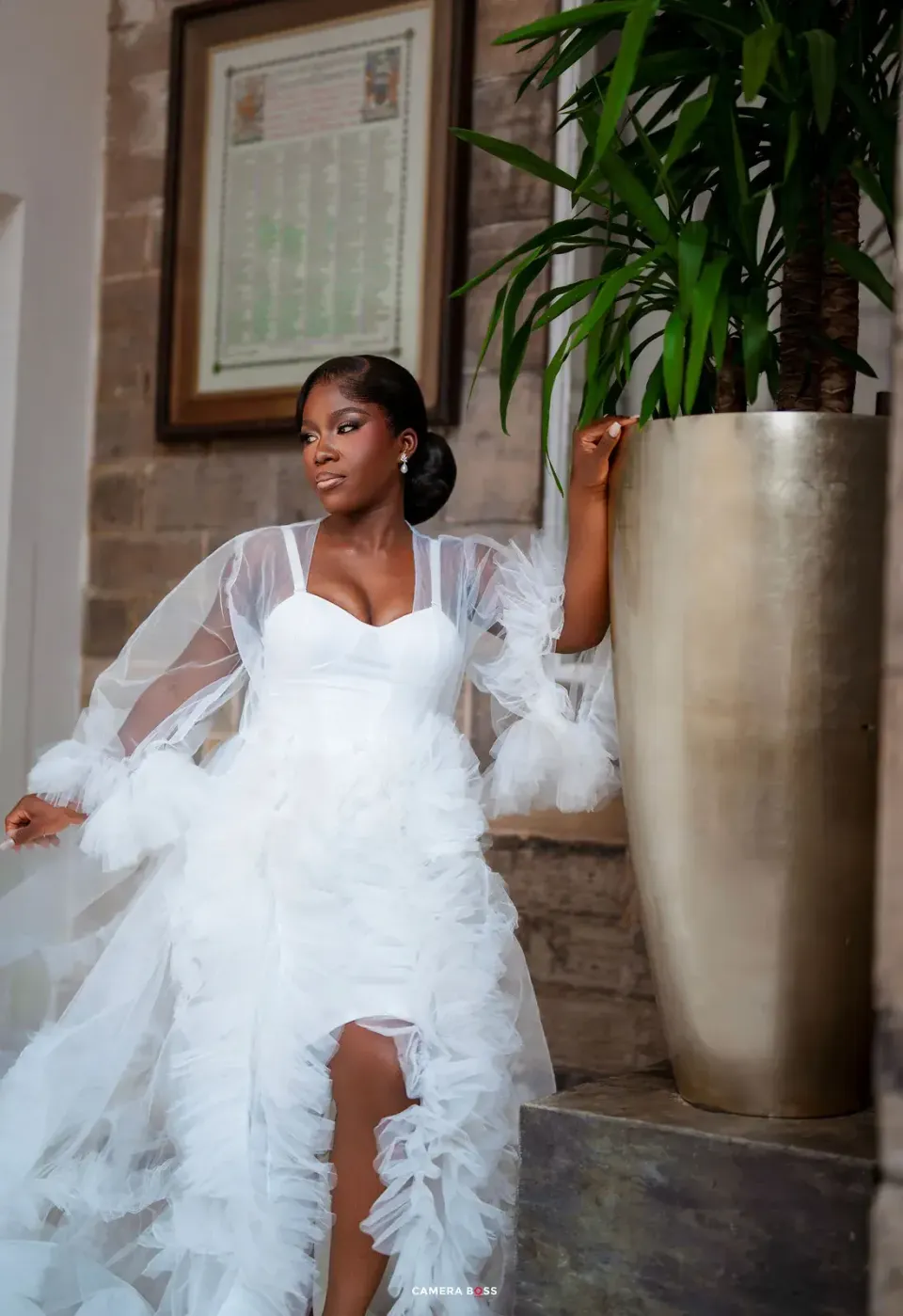
Editorial photography takes ideas from magazine fashion work, including publications such as Vogue and Harper's Bazaar. The photographer makes deliberate choices about position and light, and gives some direction to the people in the frame. A photograph that looks relaxed may still have taken careful preparation.
A bride walking through a corridor in good light is a useful example. The photographer might have checked that corridor at nine in the morning, noticed the direction of its windows and asked her to walk through twice. Knowing how a picture was made helps you judge whether you would enjoy that amount of direction.
A wedding may offer around ninety minutes across the day for directed work, including preparations, portraits and a few photographs after the ceremony. The remaining eight or nine hours contain events that cannot be repeated. Ask how the photographer combines those parts of the coverage.
Short portrait sessions can provide the editorial photographs while the rest of the wedding is documented as it unfolds. If a portfolio gives the impression of a magazine shoot throughout, ask how much time it requires. Three hours away from the guests may be more than you want, even if you like the resulting photographs.
Budgeting for editorial coverage in 2026
Bridebook's 2026 figures put average UK wedding photography spending at around £1,484, with general guides often quoting £1,400 to £1,800. That average includes different lengths of booking, from a four hour register office ceremony to a fourteen hour celebration spread across several events. Compare coverage before comparing totals.
For a full day with 80 to 150 guests, an illustrative 2026 budget is £2,200 to £2,800. Editorial photographers may charge towards the upper end or above it. A second photographer or assistant, extra lighting, a venue visit and more editing time can all affect the quote. Ask which of those are included for your day.
London and the South East commonly sit £200 to £500 above the national average. The Midlands and North tend to be around or below it. If you book a photographer based elsewhere, confirm the total for your venue instead of assuming the local average applies to their business.
A ten hour wedding can produce 3,000 to 5,000 raw frames. Selecting a gallery of 400 to 600 and grading the photographs consistently may take 20 to 30 hours at a desk. Much of the work therefore happens after the wedding. Our CameraBoss pricing page explains the current coverage options.
Allowing time for directed photographs
Discuss the timetable before it is fixed with the venue or planner. Editorial photographs need a usable room, suitable light and time when the people being photographed are available.
Allow around 90 minutes for preparations if that part of the coverage matters to you, ideally in a room with a window. A register office booking may occupy about 45 minutes overall, with roughly 20 for the legal ceremony. Group photographs need time to gather people too. A difficult grouping can take eight to ten minutes; eight groups could occupy 80 minutes if the process runs slowly. Agree a realistic list and helpers beforehand.
Couple portraits generally need 30 to 40 uninterrupted minutes. A hurried 15 minute slot between the receiving line and wedding breakfast leaves less room to work. You could also plan a second, shorter session near sunset. Ten minutes in useful evening light may give you a different set of portraits from a longer midday session.
Season affects that plan. A June wedding may have usable golden light until nearly 9pm, while a late October wedding can be dark by half past five. Later portraits may therefore need added light or an indoor setting. Ask the photographer to plan for the date and venue you have booked.
Choosing light and rendering skin accurately
Look beyond the composition of a portrait and notice how the people are lit. That helps you assess whether the photographer can produce a similar result in your venue and season.
Directional light gives a portrait shape. In a British venue in November, at half past four, the photographer may need to create it with flash placed away from the camera and a modifier. That light needs balancing with the venue's warm tungsten lighting. An approach using only available light has different limits, so discuss which one suits the photographs you want.
Presets and camera profiles need checking on darker skin. Used without adjustment, they can lose shadow detail, pull midtones towards grey or green and reduce the highlights that give skin its texture. Look for those changes when comparing complete galleries.
Exposure should suit the people in the photograph, followed by grading that preserves their skin tones. At a mixed heritage wedding, different scenes may need different adjustments. Applying the same settings to all 600 photographs can overlook those differences. Our CameraBoss editorial work gives you examples to assess.
Planning editorial coverage with CameraBoss
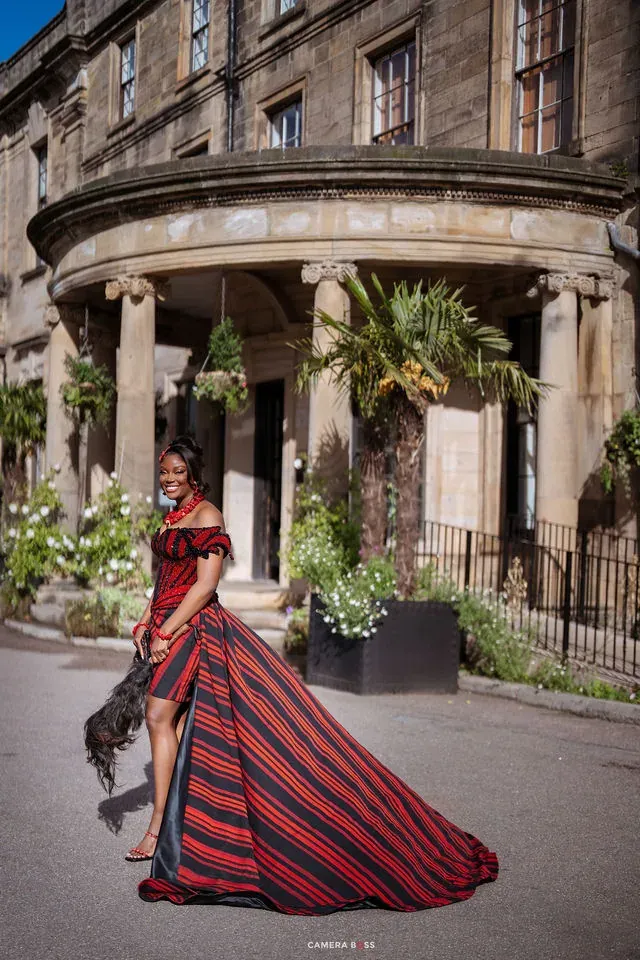
I am a British Nigerian photographer working in luxury and documentary weddings, based between Leicester and London and covering the UK. In 2024 I was named Creative Photographer of the Year at the Creative Industry Awards. My wedding coverage combines observing the day with planned periods for directed portraits.
I agree those portrait windows with you and your planner or coordinator weeks before the wedding. That gives us time to choose the locations and see how the sessions fit around the reception, instead of deciding while a hundred guests are waiting for a drink.
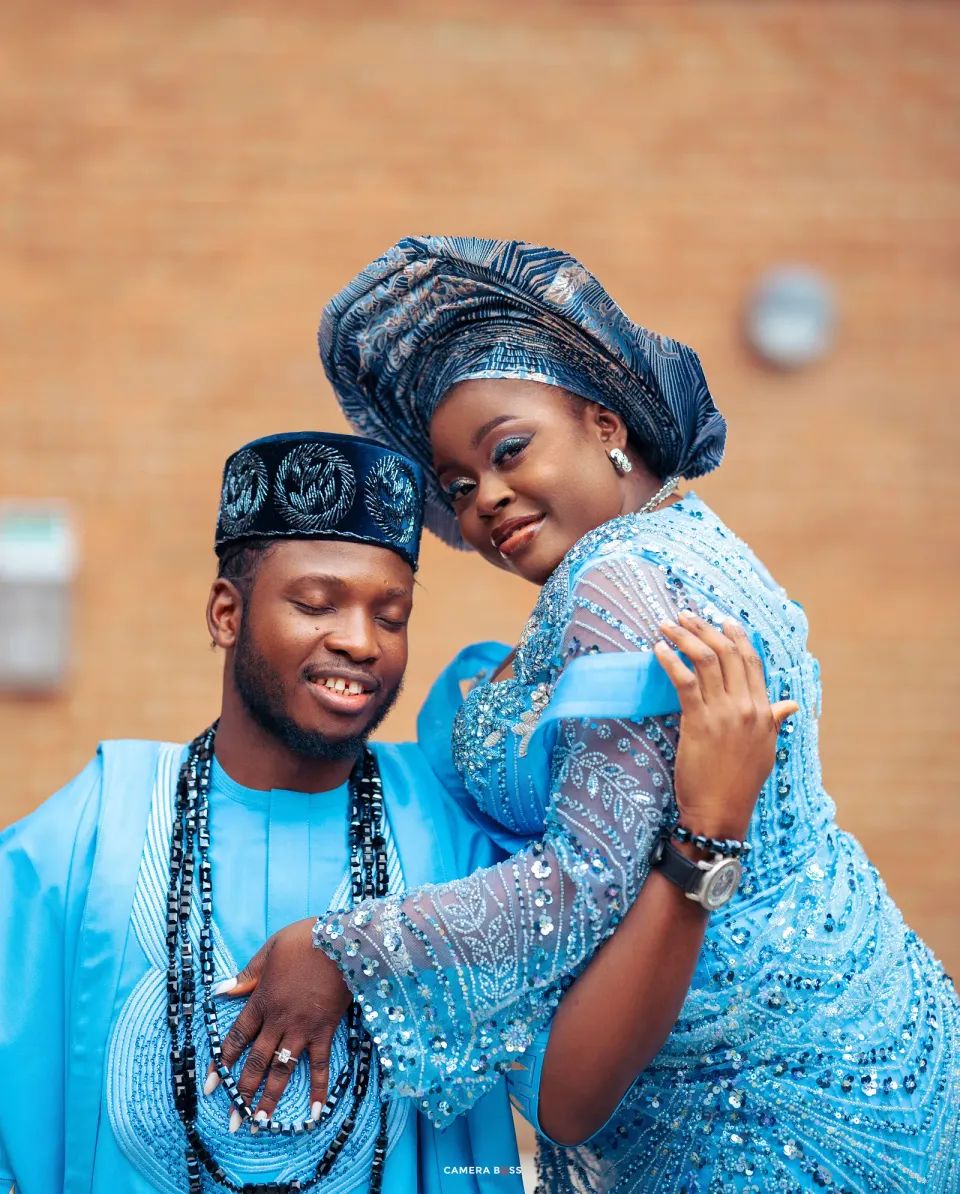
I photograph Yoruba and wider Nigerian ceremonies, Asian weddings, church and civil ceremonies, and celebrations combining two or three traditions. Talking through the running order helps me anticipate important moments, including prostration during a Yoruba engagement and the families' responses. You can see examples in the Aworan collection.
Discuss the requested photographs, a venue visit or detailed lighting conversation, and what the finished gallery will include. If you would also like wedding film coverage, ask how the two teams will coordinate. Agree their roles and the coverage in the booking rather than assume the arrangements.
Questions to ask before booking
A portfolio is a selection of favourite photographs. Use the planning conversation to find out how the photographer covers the quieter periods and handles conditions that differ from those selected examples.
- Request one complete wedding gallery. It shows how the standard holds across the day, which fifty selected portfolio photographs or the six best frames of a year cannot show.
- Ask about rain. Discuss indoor portrait positions and whether the photographer has worked at your venue in poor weather. Find out what would change in the timetable.
- Ask how a dark reception is lit. If the photographer works only with available light, discuss what that means for a 7pm first dance in February.
- Agree the delivery schedule in writing before booking. For CameraBoss coverage, see current pricing and contact us about your plans.
- Ask for examples from the kind of ceremony you are planning, and talk through any traditions or restrictions the photographer needs to understand.
Book the legal arrangements early as well. Giving notice at a register office usually involves a minimum of 29 days before the ceremony; check the requirements that apply to you on GOV.UK. Those dates affect the rest of the planning. Our CameraBoss experience page explains more about working through a full wedding day.
Common questions
How does editorial photography differ from documentary coverage?Documentary coverage follows events with little intervention. Editorial work uses direction and carefully chosen light to create a portrait or scene. A wedding gallery can contain both, with portrait sessions planned around the events taking place.
What should we budget for editorial wedding photography?The quoted 2026 UK photography average is near £1,484. Editorial full day coverage for 80 to 150 guests may be around £2,200 to £2,800, with London and the South East £200 to £500 higher. Use these figures as a guide and compare the actual inclusions.
How long do couple portraits take?Allow around thirty to forty uninterrupted minutes, with the option of a further ten minutes near sunset. A longer session after the ceremony and a short evening slot can give you different light without one extended absence. Fifteen minutes may be too short for the range of portraits you have requested.
Will we spend too long away from our guests?Agree the portrait windows in advance so you know when they happen and how long they take. You can then decide whether the time needed for those photographs fits the wedding you want to have.
Can we enquire about coverage outside London and Leicester?I work across the UK, including Manchester, Birmingham, Leeds, Liverpool, Sheffield, Nottingham, Derby, Bristol and Newcastle. Share your venue and date so we can confirm the coverage and travel arrangements in your quote.
Discuss your plans
If you are comparing styles, send your venue, timetable and budget. We can talk about which portraits you want and how they would fit around the rest of the wedding.