Almost every couple I meet asks the same question about six weeks into planning: do we need a videographer as well, or is the photographer enough? It’s rarely a question about taste. It’s a question about money, and about whether two sets of strangers with cameras will end up ruining the day they’re there to record. Here is the honest answer, with the 2026 numbers and the things suppliers tend not to say out loud.
Wedding Photography and Videography: How to Book Both Without Crowding Your Day
What photography and videography actually cost in the UK in 2026
Start with the figures, because vague answers help nobody. Bridebook’s 2026 supplier cost data puts the average UK wedding photographer at £1,484 and the average videographer at £1,514 — almost identical, which surprises most couples who assume film is the expensive one. The typical videography range runs from £500 to £2,500, with London and the South East sitting nearer £1,800 to £2,200 for full-day coverage.
Set that against the wider budget. Hitched’s 2026 industry report, drawn from just over 2,000 newlyweds, puts the average UK wedding at £21,990. So booking both photography and film at national average rates is roughly £3,000 — about fourteen per cent of the total spend, and the only fourteen per cent you still own the day after the flowers are in the bin.
The reason the two services cost about the same is that the hidden labour is comparable. A camera operator’s day rate alone sits at £450 to £650, with post-production running around £350 a day on top. On the stills side, a ten-hour wedding will produce somewhere between 3,000 and 5,000 raw frames, and culling, editing and grading those down to a delivered gallery of 400 to 800 images is 20 to 30 hours at a desk. The wedding is one day. The job is closer to two weeks.
Regional variation is real but smaller than people expect outside London. A full-day booking in Leicester, Derby or Nottingham typically lands a few hundred pounds below the same booking in Zone 2. Our current tiers are set out on the Cameraboss pricing page, and the areas we cover without travel surcharges are listed on our locations page.
The problem nobody warns you about: two suppliers, one aisle
Here is the thing that quotes never mention. Photography and videography want the same three metres of floor space, and they want it at exactly the same moments.
During the ceremony there is usually one good position — slightly off the centre aisle, roughly two-thirds back, where you can see the couple’s faces rather than the backs of their heads. A photographer wants it. A videographer wants it, and needs to keep a tripod there for eight uninterrupted minutes because a video cut is far less forgiving than a missed frame. If those two people met for the first time in the car park that morning, one of them is going to lose, and it is usually you.
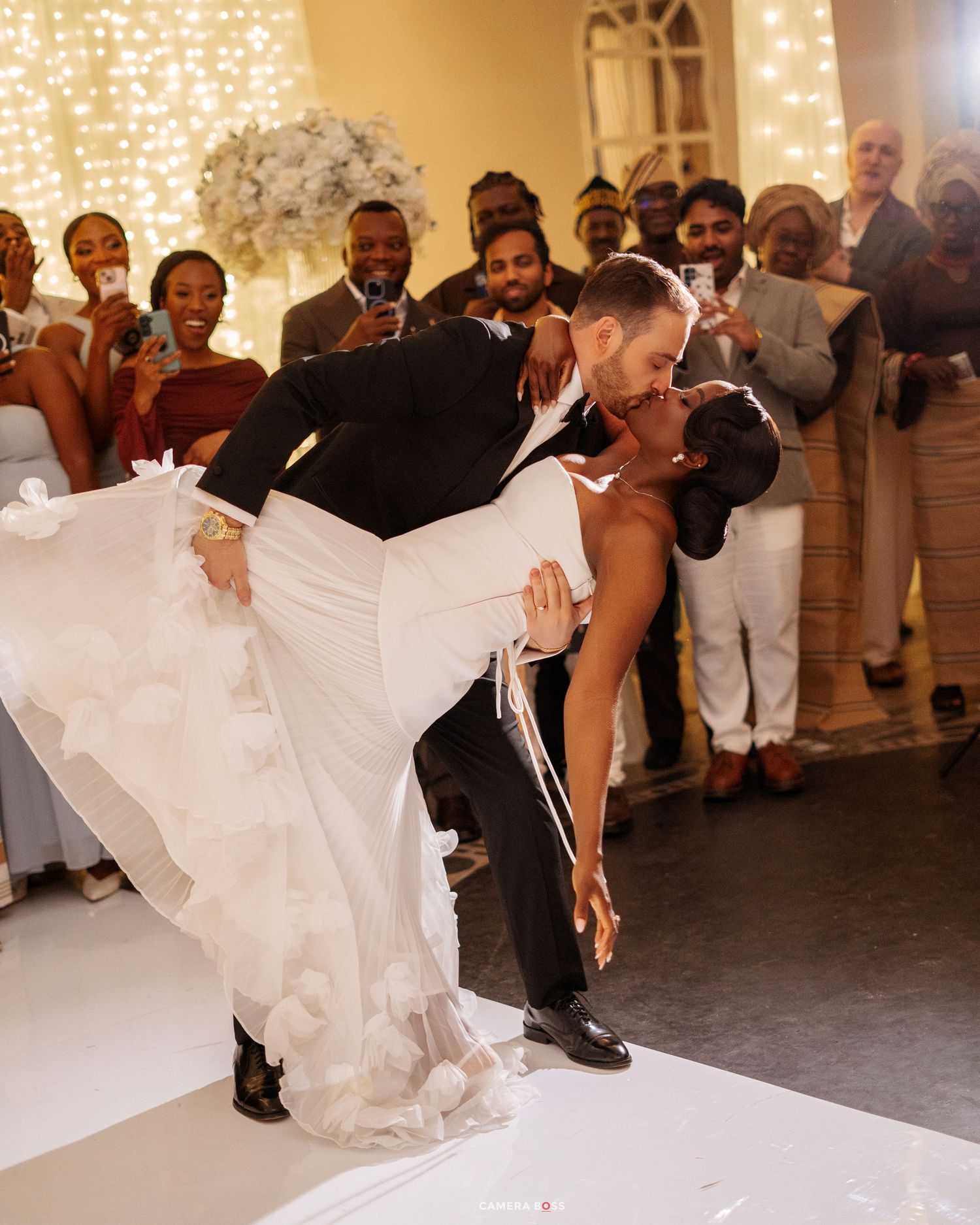
The same collision happens three more times in a typical day. During the first look, where a videographer needs a wide lens running while the photographer needs to be close. During the speeches, where a photographer moving position mid-sentence walks straight through a locked-off video frame. And during the first dance, where two people circling in opposite directions means each one appears in the other’s footage all evening.
None of this is anyone’s fault. It is a choreography problem, and choreography needs rehearsal. Teams who work together every weekend solve it silently — a hand signal, a known rotation, an agreed order for who moves first. Two strangers solve it by negotiating in whispers behind your guests, or by not solving it at all.
If you do book separately, ask both suppliers to speak on the phone at least a month beforehand. It costs nothing and it is the single highest-value thing you can do for the quality of both deliverables.
What “included” actually hides in a combined package
Combined photo-and-film packages are usually cheaper than booking two separate suppliers — one travel cost, one set of admin, one meeting. But the savings are only real if you read the coverage line properly.
Nationally, only about a third of weddings in 2025 had a videographer at all, which means most couples are comparing film quotes for the first time with no reference point. These are the questions worth asking before you sign anything:
- How many hours, and when do they start? Coverage beginning at 11am misses the bridal preparation entirely. Two extra hours at the front of the day is often the best-value upgrade on the sheet.
- Is that one person doing both jobs, or two people? One person cannot shoot stills and operate a locked-off camera properly at the same time. If a package looks unusually cheap, this is normally why.
- How long is the highlights film, and is the full ceremony separate? Most delivered highlight films run five to eight minutes. Full ceremony and speeches recordings are frequently a paid extra.
- What music licence is used? This decides whether your film can be posted to Instagram without the audio being muted. Ask before, not after.
- Is drone footage included, and are they licensed? A legal drone operator in the UK needs both a Flyer ID and an Operator ID from the Civil Aviation Authority, and many venues require sight of insurance.
- How many edit revisions do you get? One is normal. Zero is a red flag.
A second camera operator typically adds £300 to £600. For a ceremony with a wide guest count or a long processional — which describes almost every Nigerian and South Asian wedding I photograph — that is not an upsell, it is the difference between covering the room and covering one corner of it.
How we run photography and film together at Cameraboss
I’m John Lekan, a British-Nigerian luxury and documentary wedding photographer, and I was named Creative Photographer of the Year at the Creative Industry Awards 2024. Cameraboss runs photography and wedding film as one team rather than two bookings, and the reason is entirely practical.
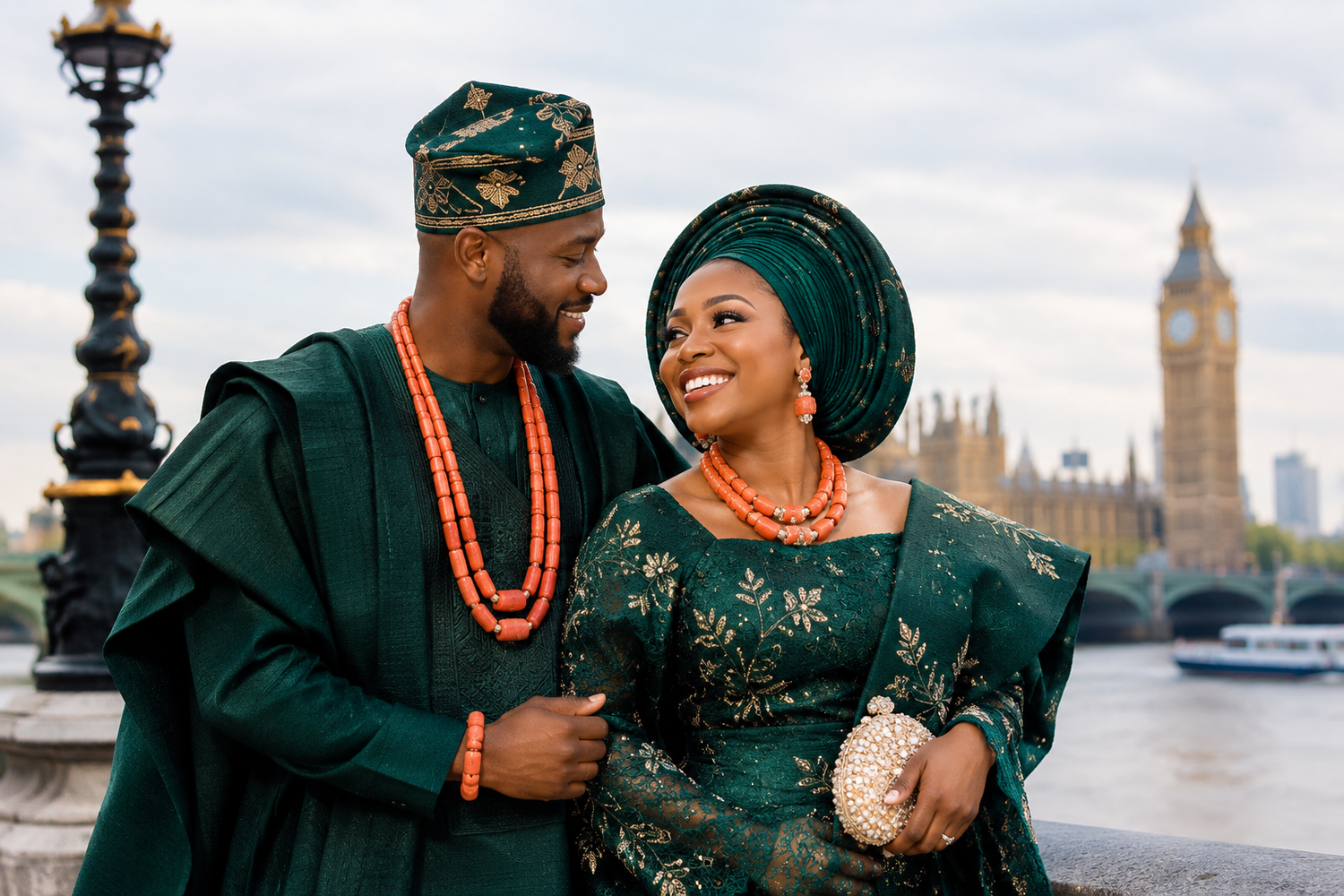
Before the day, we build a running order together — not the planner’s timeline, ours. It marks where each camera stands for every fixed moment, who moves first, and which two or three moments we have agreed are non-negotiable. On a Yoruba engagement, that means knowing the prostration is coming before the drums change, and being in position for the reaction on the parents’ faces rather than the backs of the groomsmen. Ceremony fluency is the whole game in documentary work: if you don’t know the running order of an Islamic nikah, a Hindu vidaai or a Yoruba idana, you will always be reacting a second late, and a second late is the difference between the moment and the aftermath.
The other half of it is technical. Skin tones vary enormously across a multicultural guest list, and a default camera profile will consistently underexpose darker skin while blowing out a white dress in the same frame. We expose and grade for the people in the room rather than pushing a preset over the top. It is slower work in the edit and it is the reason our galleries look consistent from the ceremony through to a dark reception.
You can see how that reads across both formats in the Cameraboss galleries and in our traditional ceremony work at Aworan. What couples say about the day itself is on the testimonials page.
How to decide whether you actually need both
Not every wedding needs film, and I would rather say so than sell you one. Here is the honest test.
Book both if the speeches matter to you. Stills cannot carry a joke, a pause, or the moment a father’s voice goes. Book both if there is live music, drumming or dancing central to the ceremony — movement and sound are what film exists for, and a Yoruba or Punjabi celebration loses half its character in silence. Book both if a significant number of guests cannot travel; a shareable eight-minute film reaches family in Lagos or Lahore in a way an album never will.
Photography alone is the sensible call if your day is a short register office ceremony followed by a meal — and if you are still working out the legal side, the requirements are set out plainly at GOV.UK on marriages and civil partnerships. It is also the right call if your total budget is genuinely tight. A strong single photographer will always beat a stretched photographer plus a rushed videographer.
Photographs are what you hang on the wall; film is what you play when you want to hear their voices again. Neither replaces the other, and the couples who regret their choice almost always regret going without the film rather than paying for it.
One last practical point: book early. Popular suppliers at every price tier fill summer Saturdays roughly eighteen months out, and combined photo-and-film availability disappears faster than photography alone because it commits two people to the same date. If your date is set and you like the work, the enquiry is the cheap part.
Common Questions
A: Usually yes, because you are paying one travel cost, one admin overhead and one planning process rather than two. The saving is normally modest — the bigger benefit is that the two cameras are coordinated rather than competing.
A: At 2026 national averages you are looking at roughly £1,484 for photography and £1,514 for videography, so around £3,000 combined. London and the South East run several hundred pounds higher, and combined packages often sit slightly below the sum of the two.
A: Not well, for a full day. A solo operator has to choose which format loses the moment, and it is normally the film. For ceremony and speeches in particular you want a dedicated second pair of hands.
A: Galleries generally arrive within four to eight weeks and films take longer, commonly eight to twelve, because grading, sound and music clearance all sit after the edit. Ask for the delivery window in writing rather than assuming.
A: Eighteen months for a peak summer Saturday, and sooner if you want photo and film from the same team. Off-peak dates and weekdays stay open far longer and are often better value.
Let’s talk about your day
Tell me your date, your venue and roughly what you’re working with, and I’ll tell you honestly whether you need photography, film, or both. No pressure either way — some of the best conversations I have end with a couple booking photography only.