A wedding gives you little control over the room or the pace of events. A ceremony may be lit by windows, ceiling lights or a mixture of both, and conditions could be different forty minutes later. Understanding exposure, watching the room and planning for the evening makes it easier to keep photographing as the light changes.
Aperture, shutter speed and ISO
These settings work together. Aperture controls how much light enters the lens and how much of the scene is in focus. Shutter speed sets the time the sensor collects light. ISO changes the amplification of the recorded signal. Adjusting one often means reconsidering the others, particularly when people are moving in a dim room.
I often photograph ceremonies between f/1.8 and f/2.8. A wide aperture can provide two or three stops of light compared with a smaller one. For moving people, I rarely go below 1/200th. At 1/60th, a bride walking down the aisle may blur, and editing cannot restore detail that was never recorded sharply.
Modern cameras with a full frame sensor can often give useful results at ISO 3200 or 6400, though the quality depends on the camera and exposure. Some grain may be a reasonable compromise for a sharp photograph of the first kiss. Check the finished images rather than judge the setting alone.
In a dark church where flash is prohibited, the options may be limited. If the aperture is already wide and the shutter needs to stay fast enough for movement, raising ISO could be the remaining choice. Familiarity with those controls helps a photographer adjust promptly.
Assessing the ceremony and preparation rooms
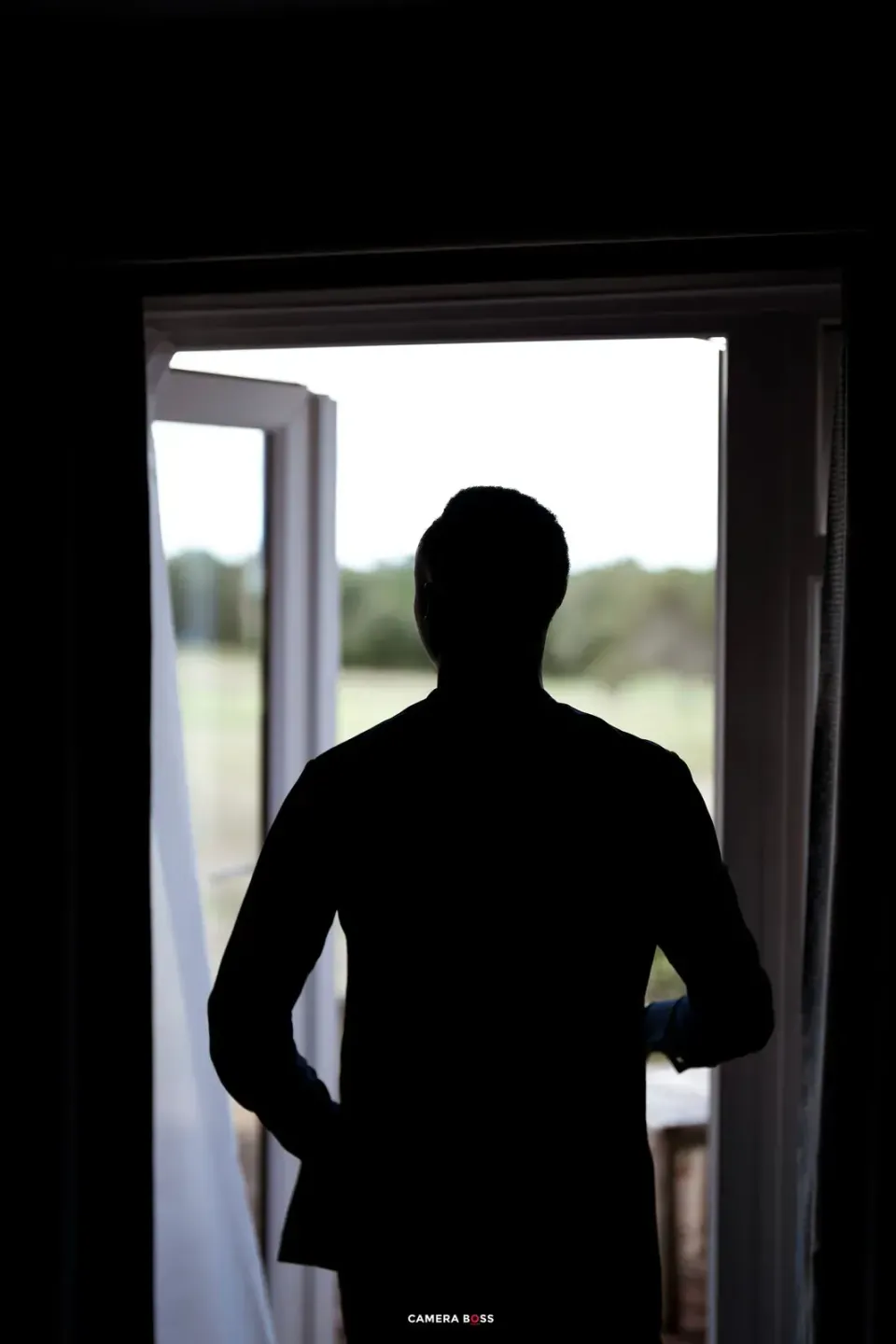
Take time to look around before photographing. Within about thirty seconds, the window positions, ceiling and artificial lights can suggest where to work and what may need changing.
I check the direction of the windows first. A window facing north often gives soft light; one facing south at 2pm may create a strong bright side and a deep shadow. A low white ceiling can be useful for bouncing flash, while a dark roof twelve metres above is much less helpful. I also compare the colour of the lights with the daylight and check the signing table, which may be in a darker part of the room.
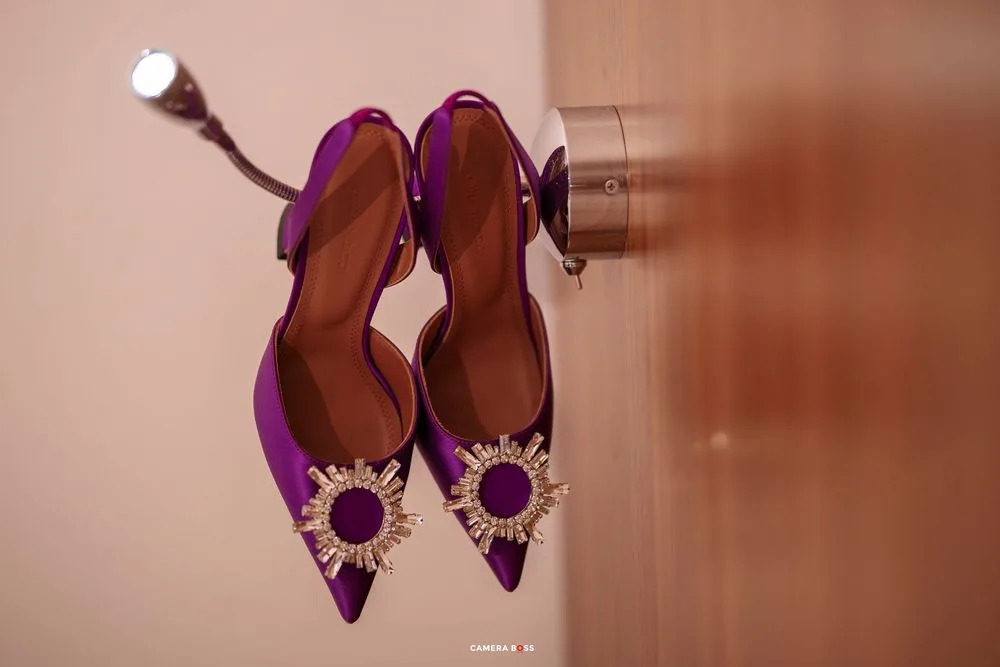
Hotel bedrooms often have warm lamps that mix poorly with daylight. During preparations, I look at switching those lamps off and moving a chair towards the window. This is useful in many rooms, though it needs assessing in the actual space. It can give faces softer light and remove an unwanted orange cast.
Allow time for that assessment instead of beginning just as someone is putting their shoes on. I plan a look around the venue into the coverage. The CameraBoss galleries show photographs made in a range of rooms and light.
Working after daylight fades
A UK wedding may lose useful window light around 4pm in December or 9pm in June. That five hour seasonal difference changes how the ceremony, portraits and reception should be planned. After dark, ask how the photographer will use the venue lighting and any additional equipment.
Direct flash from the camera can create a hard shadow behind a person and change the appearance of the room. It is one approach, but it may not give the soft light you want for reception portraits. Look at examples before agreeing how your evening will be photographed.
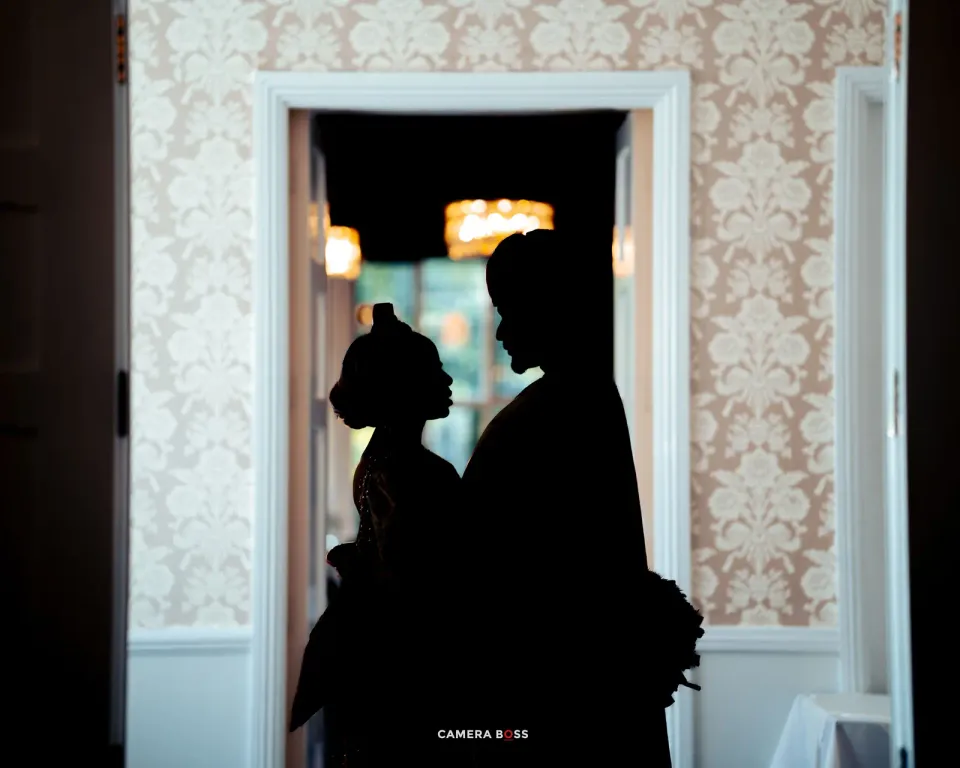
Bouncing flash off a white ceiling spreads a source about two inches across over a much larger area, perhaps two metres. If the ceiling is dark or high, a flash on a stand with a small softbox at about 45 degrees can provide softer directional light. On a dance floor, I may use around 1/30th with flash to keep some of the DJ's colour and ambient lighting visible.
For couples planning the room, deep blue or red uplighters can be difficult on skin because strong colour casts are hard to remove fully. Warm amber or soft white lighting is easier to photograph. You can also ask the DJ to hold the smoke machine for the first thirty seconds of the first dance. Haze catches flash and can make the photograph look grey.
Use enough extra light to make faces readable while keeping the venue's atmosphere visible. Discuss that balance with your photographer, especially if the room lighting is an important part of the reception design.
Exposure and colour across skin tones
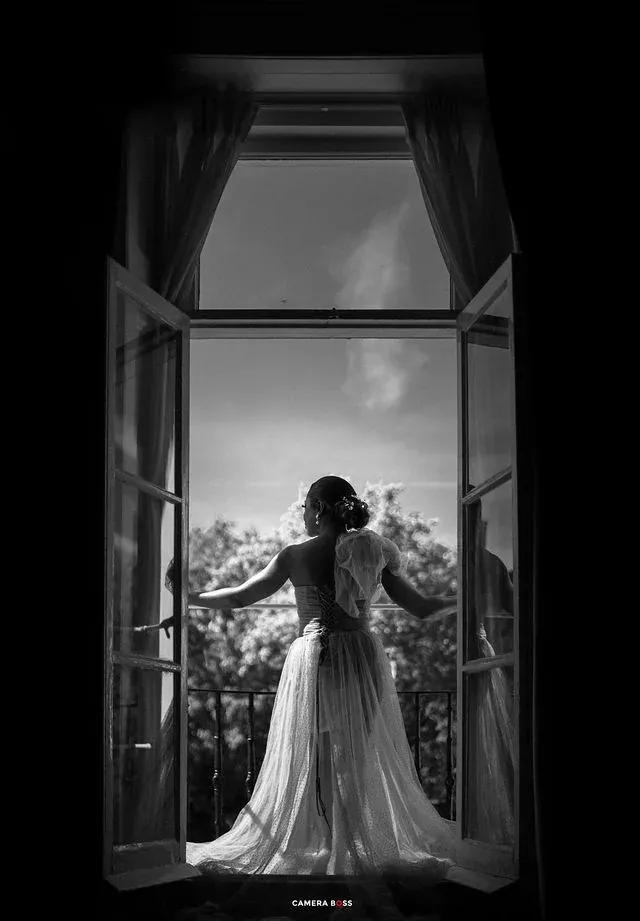
Look at how a photographer handles different skin tones in changing light. An image may be sharp and well composed while still giving someone an inaccurate skin colour.
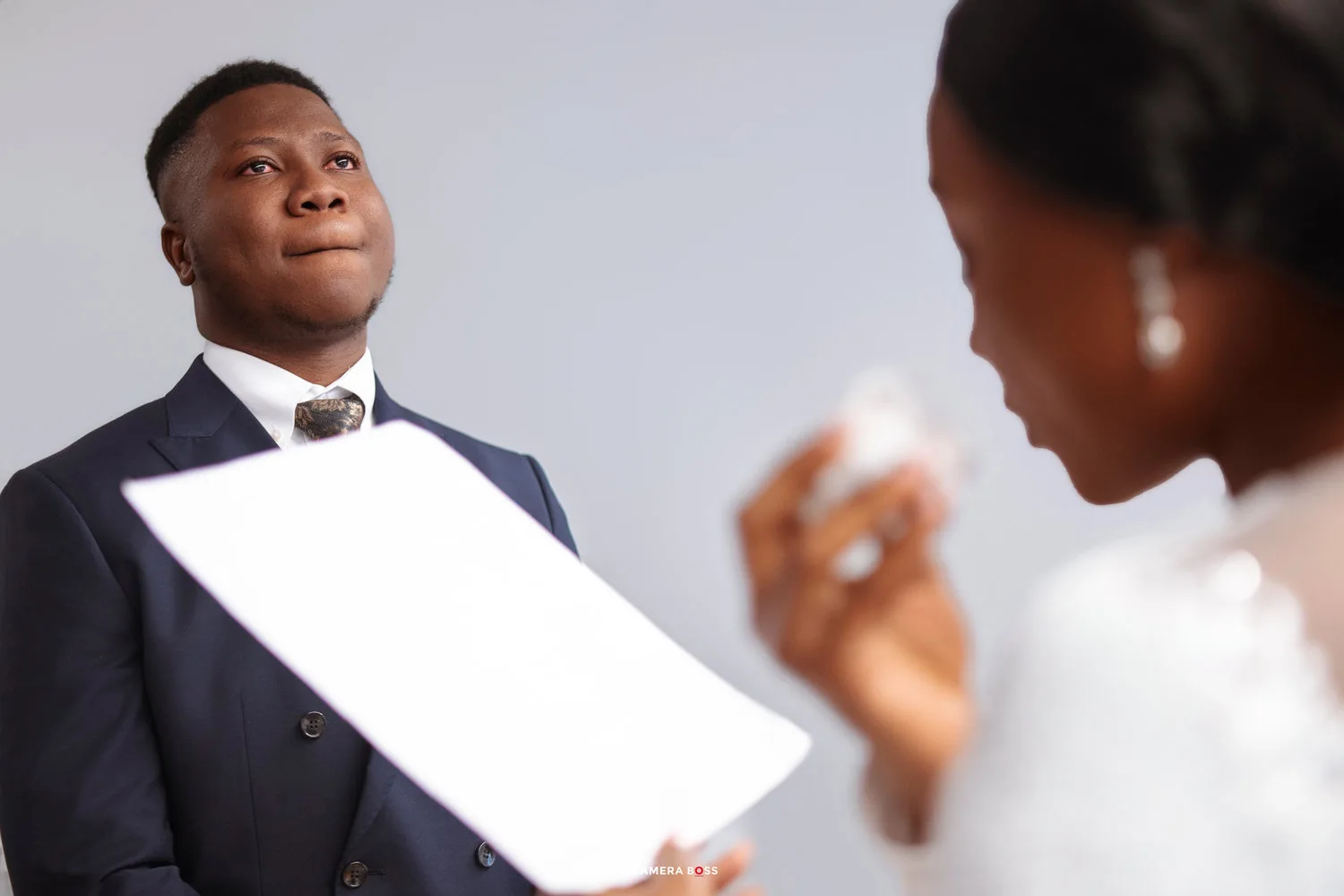
Camera meters tend to average a scene towards mid grey. A reading taken from dark skin can lead to too much exposure, while a wider reading including bright clothing can behave differently. At the multicultural weddings I photograph, a group may include very fair and much darker skin. Check each face rather than assume one automatic setting or editing preset renders everyone accurately.
Judge exposure from the people and the brightest details you need to retain. A raw file may hold useful shadow detail, but fully clipped highlights cannot be recovered. Where possible, use light sources with a consistent colour temperature. Grade skin tones deliberately and inspect individual faces before applying the same treatment throughout a gallery.
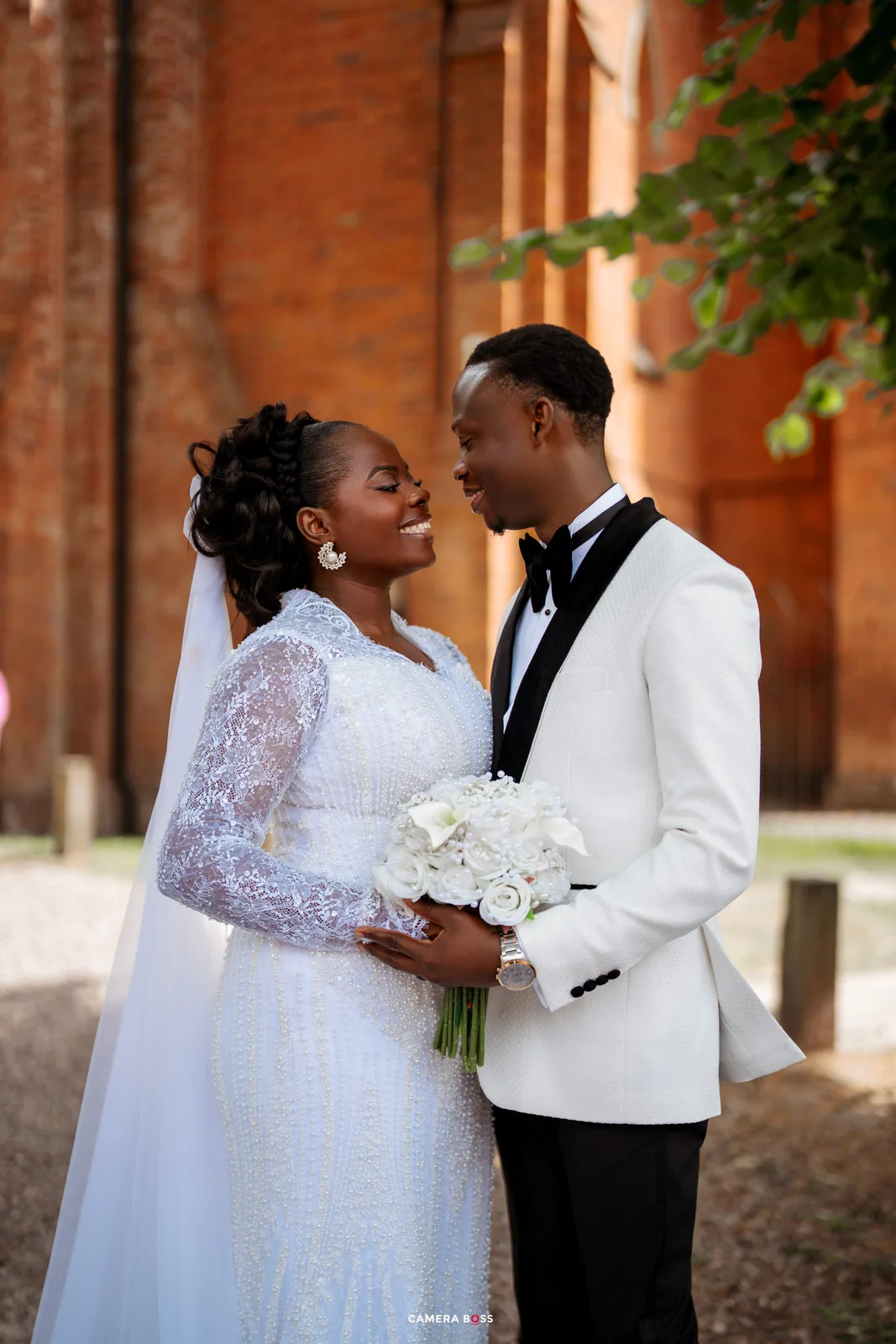
As a British Nigerian photographer, I pay close attention to how people are lit and how their skin looks in the finished photograph. Guests should remain recognisable as the day moves between different rooms and lighting. The traditional and Nigerian ceremony work in the Aworan portfolio gives you examples to compare.
Making a timetable around daylight
Some lighting decisions need to be made while planning the wedding. Choosing the ceremony time and leaving space for portraits can matter as much as an adjustment made on the day.
Check sunset for your date. In London it is around 9.20pm in late June, 7.30pm in early September and 4.00pm in December. The twenty to forty minutes before sunset can give warm, low light for portraits. I usually ask about a fifteen minute session during that period, fitted around the reception and the couple's priorities.
A noon ceremony in high summer may leave strong overhead sun for confetti, so nearby shade can be useful. Allow twenty to thirty minutes for family groups and check whether the chosen place will still have light then. With a winter ceremony at 3pm, there may be only about forty five minutes of outdoor daylight afterwards. Agree which photographs need to happen first.
Discuss those choices when comparing CameraBoss coverage options. Our experience page explains the planning process in more detail. For legal ceremony arrangements and venue licensing, start with GOV.UK marriage guidance.
Common questions
Should our photographer be able to use flash?Ask how they handle an evening when available light becomes limited. Flash skills give them another option, but the choice should suit the room and its rules. Complete evening galleries can show how well that approach preserves the atmosphere.
Our church prohibits flash. Can it still be photographed?Tell the photographer before booking so they can assess the room. Fast lenses around f/1.4 to f/2 and a camera that performs well at ISO 6400 can help, but the result depends on the actual light and how people move.
What is golden hour?It is the period of warm, low light around twenty to forty minutes before sunset. A fifteen minute portrait session then can give a different look from midday photographs. Check the sunset time and fit the session around your reception.
Does winter coverage need a different budget?Many photographers do not charge more simply because it is winter. The work does change: a December wedding may have only three or four hours of daylight, requiring more artificial light, equipment setup and careful editing. Compare the coverage and lighting plan in the quote.
How can we assess darker skin tones in a gallery?Request a complete wedding with guests whose skin tones are similar to your families'. Inspect group photographs and the evening reception as well as the daylight portraits. Look for consistent colour and retained detail as the light changes.
Discuss the light at your venue
Share the date, room details and timetable you are considering. We can talk about daylight, evening lighting and where the portraits would fit into your wedding.