Decide whether you want wedding photography and videography before booking either. Leaving film until four months after choosing your photographer can narrow your options, particularly for popular dates. Budget matters, but so does how the two suppliers will share the day. Discuss their coverage and working arrangements while you still have a choice of teams.
How photography and film share the day
A photograph might capture one six-hundredth of a second. A film might need eight unbroken seconds of the same moment, along with clear sound. Those different requirements affect how we work and where we stand.
I can photograph a confetti walk in three frames and then step aside. The filmmaker needs an uninterrupted view; a photographer's elbow entering the shot at second four can spoil the sequence. During the same forty seconds, we need to give each other enough room to get our shots.
A ten-hour wedding can produce roughly 3,000 to 5,000 raw photographs, with 400 to 700 delivered images after 20 to 30 hours of culling and grading. Those figures vary with the coverage, so agree the delivery schedule in writing before booking. For CameraBoss coverage, see current pricing and contact us about your plans.
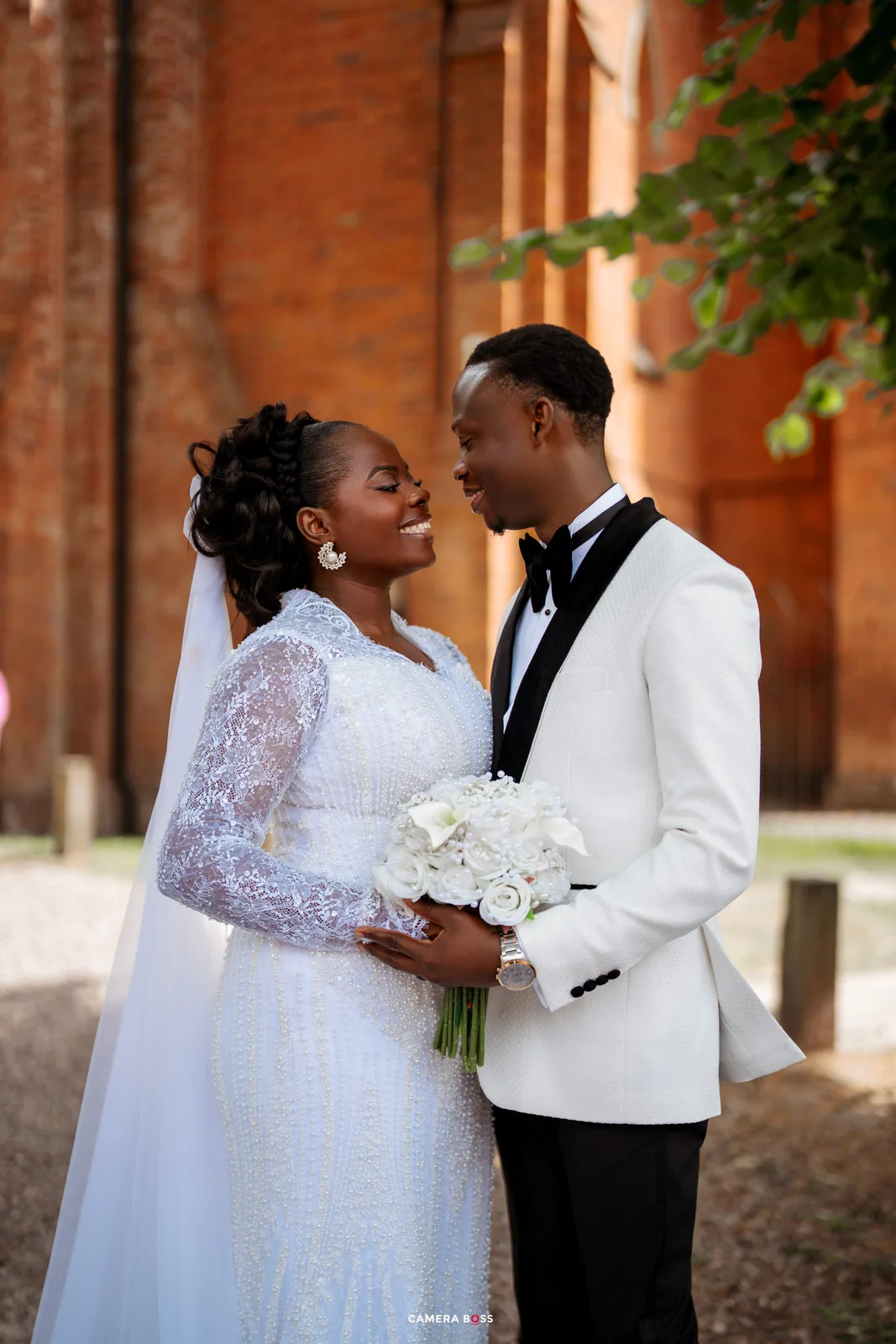
Look at how a team's photographs and films work together. Our wedding film work and stills gallery show the approach we take to covering the same day.
Photography and videography costs in 2026
Bridebook's 2026 wedding report gives UK averages of £1,484 for photography and £1,514 for videography. The two figures are close. Against its average wedding budget of around £20,604, booking both accounts for roughly fourteen to fifteen per cent of the total. Use averages as a starting point, then compare quotes for the coverage you need.
Full-day prices can be higher than averages that include shorter coverage. Weddings Hub's analysis of 312 UK photographer listings gives a national full-day figure of £1,813, with £2,813 in London and £1,247 in Yorkshire. London and the South East typically sit £200 to £500 above national averages across supplier categories, with the Midlands and North generally at or below them. Ask for a quote that reflects the hours you need.
Combined photo and film packages may cost 10 to 25 per cent less than two separate bookings. Shared travel and planning can reduce costs, and you may deal with one contract. A saving of that size against £3,000 would be £300 to £750. Check what each quote includes before treating a percentage saving as money available elsewhere in your budget.
Ask how many people will attend, especially if a combined quote is much lower than the others. Covering photo and film simultaneously places different demands on the people involved. Our pricing page gives current starting prices; confirm photography, film, staffing and other inclusions in your written quote.
Agreeing positions, group photos and lighting
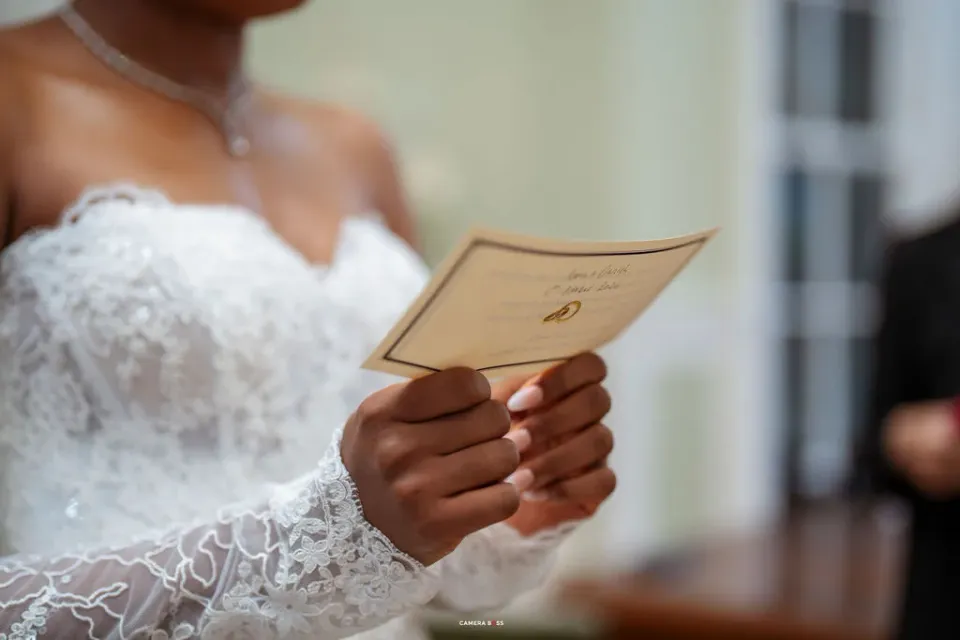
Discuss the practical arrangements before the wedding. Even a straightforward 2pm ceremony needs a plan for where each supplier can stand and how they will move around the room.
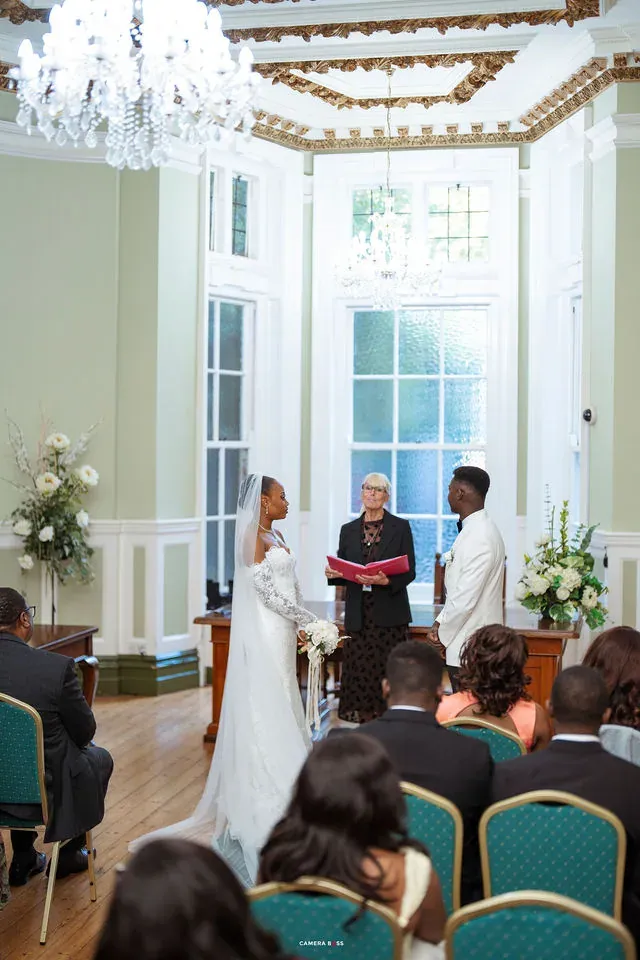
In many ceremony rooms, only one centre-aisle position gives an unobstructed view. The photographer and filmmaker should agree who uses it. One can work from the aisle while the other uses a long lens from the side, with a planned change at the ring exchange if the ceremony allows it.
Family groups also need coordination. For a photograph, I may need eight people looking towards my lens; the filmmaker may want footage of them interacting. Agree when each will work. If you allow 25 minutes for groups, avoid an arrangement that leaves only 12 minutes for photographs because both suppliers have been taking turns.
Discuss lighting for the first dance as well. A filmmaker's LED panel may run continuously at around 5600K, while flash fires briefly and may have a different colour temperature. Mixed lighting can introduce green casts in stills or flashes of colour in footage, potentially every second and a half during repeated flash use. Some colour problems can be corrected in grading, but agreeing the lights beforehand is more reliable.
Separate photographers and filmmakers can work well together. Before booking, ask whether they have worked with each other and how they will share the aisle, organise groups and manage lighting.
Check how your vows and speeches will be recorded
Clear vows and speech recordings make a wedding film easier to enjoy later. Ask about sound when comparing filmmakers, alongside their picture quality and editing style.
Ask about at least three independent audio sources across the ceremony and speeches. Options include a lapel microphone on someone at the front, a recorder in the celebrant's pocket and a feed or microphone from the room's PA. Backups help if batteries fail or a hug covers a microphone with clothing for ninety seconds. The setup needs to suit each part of your day.
Register offices and civic rooms often have hard surfaces, high ceilings and little soft furnishing. The resulting reverberation can be difficult to remove in editing. Outdoor ceremonies need protection against wind noise on lapel microphones. A visit beforehand helps the filmmaker choose suitable microphone positions and wind protection.
Ask how music will be licensed. Services such as Musicbed and Artlist provide music for films; an unlicensed chart track can lead to muting on Instagram, blocking on YouTube or removal. Check licensing even when a quote is low, without assuming that price alone tells you how the supplier works. You can also ask to hear thirty unedited seconds of vows from a real wedding to assess the recording.
How we plan photography and film at Cameraboss
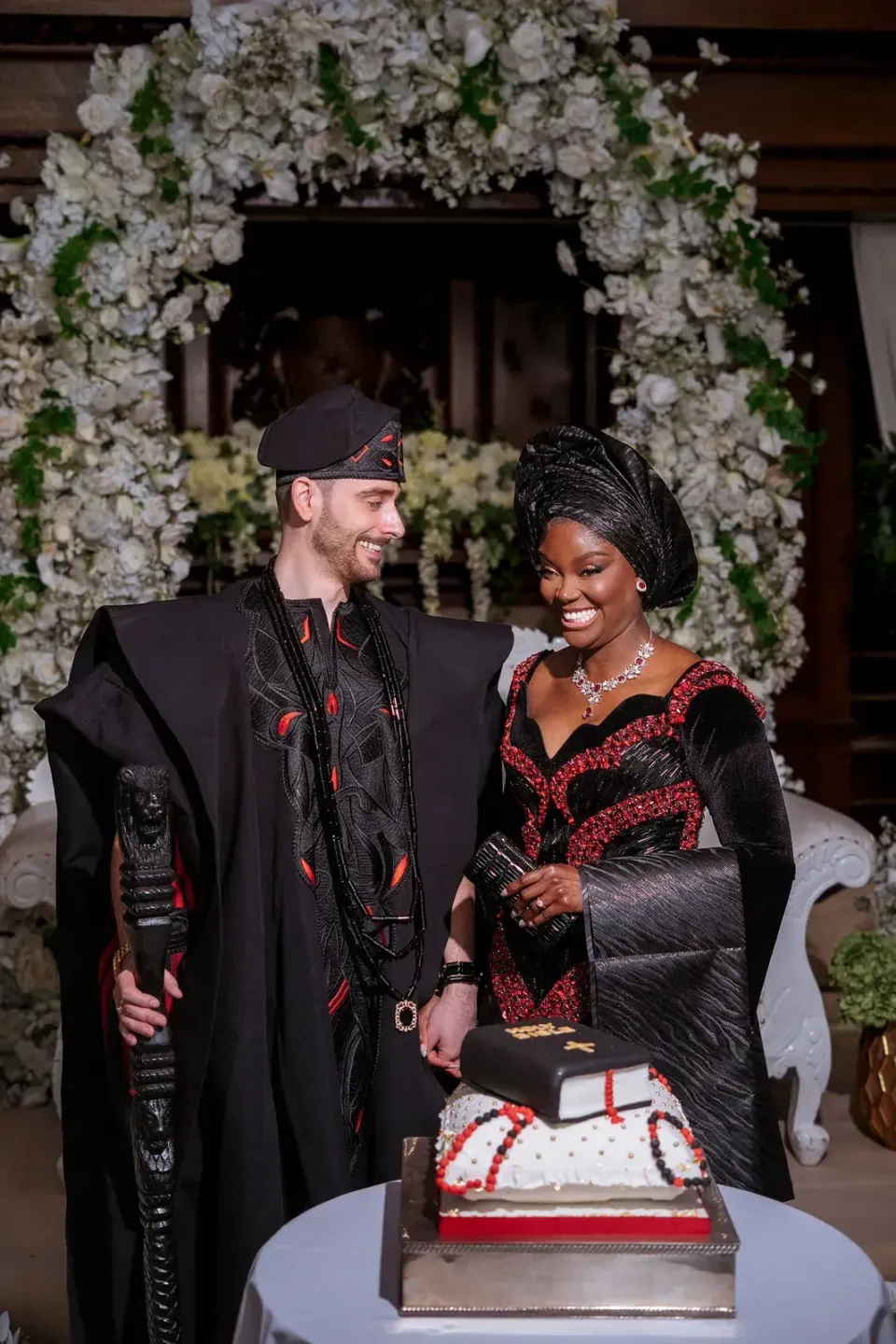
I am John Lekan, a British Nigerian luxury and documentary wedding photographer. I was named Creative Photographer of the Year at the Creative Industry Awards 2024. If you book Cameraboss photography and film, confirm the people covering each service, the timeline and your point of contact in the written arrangements.
Multicultural weddings are a large part of our work. At a Yoruba engagement, we plan around the order led by the alaga ijoko. Knowing when the prostration is due lets us prepare our position, whether that needs forty seconds or a longer interval. We discuss the running order for a Nikkah, Hindu mandap ceremony or Sikh Anand Karaj too, so coverage follows the ceremony.
We pay attention to exposure and colour across different skin tones. Metering for faces and checking the grade helps avoid brown skin looking grey or green under an unsuitable preset. If film is part of your booking, discuss colour grading for the film LUT alongside the still photographs. See our traditional and Nigerian ceremony work and full galleries for examples.
We are based in Leicester and London and travel across the UK. Our areas we cover page lists the cities where we work most often.
Questions to ask before signing a contract
Ask each supplier these questions and compare the answers with the written quote. They help you understand the staffing, equipment and finished work you are booking.
- How many people will attend? Ask who will cover photography and who will cover film when both need to record the same moment.
- How many audio sources will record the ceremony? Ask about the main recording and backups, including how a three-source setup would work in your venue.
- What are the delivery windows? Agree the schedule in writing before booking. For CameraBoss coverage, see current pricing and contact us about your plans.
- What happens if a camera fails? Ask about a second camera body, dual card slots and the supplier's backup arrangements.
- How long is the finished film, and how many versions are included? A three-minute highlight reel and a thirty-minute feature edit involve different amounts of work.
- Have you worked at our venue? If you have not, will you visit before the wedding?
Allow time for the legal arrangements alongside your supplier bookings. Give notice at your local register office at least 29 days before the ceremony, and check the current requirements in the GOV.UK marriages and civil partnerships guidance.
Choose photographs you would want in an album or on the wall, then consider which voices and moments you would like the film to preserve. That helps you decide where to spend your budget.
Common questions
Q: Should we prioritise photography or videography if we can only afford one?A: If you want prints and an album, photography is a sensible priority. If hearing the ceremony and speeches again matters to you, ask us about a shorter film covering those parts of the day. Compare the options before deciding that your budget can cover only one service.
Q: How much should we budget for both in 2026?A: Bridebook gives 2026 UK averages of £1,484 for photography and £1,514 for videography. Combined packages may be 10 to 25 per cent below separate bookings. Around £2,300 to £3,200 can be a starting budget for full-day coverage of both outside London, but use a quote for your date and coverage when setting the final figure.
Q: How far in advance do we need to book?A: Start enquiries twelve to eighteen months ahead for a summer Saturday. Film availability can be limited, so contact both suppliers early. Off-season Fridays and Sundays may offer more availability and lower prices; check each supplier's dates and quote.
Q: Can one person do both photo and video properly?A: One person has to divide their attention when photographs and film are needed at the same time. A locked-off camera can supplement stills coverage, but ask what that means for camera angles, sound and the finished edit. Compare it with a team assigned to both services.
Q: Do you cover cultural and multicultural ceremonies?A: Yes. We cover Yoruba and wider Nigerian traditional ceremonies, Asian and multicultural weddings. We discuss each ceremony's running order in advance so we can plan the coverage.
Discuss your wedding coverage
Tell us your date, venue and the coverage you have in mind. We can discuss the costs and whether photography, film or both will suit your plans.