How to Plan Your Wedding Day Photography Timeline: A Practical Guide for UK Couples
The single most common thing couples wish they'd done differently? Given more time. Not more budget, not a bigger venue — time. A well-built photography timeline is the invisible architecture behind every beautiful wedding gallery. Get it right and the day flows. Get it wrong and the most important moments of your life feel rushed. Here is the guide I wish every couple would read before their wedding day.
Over the years, photographing weddings across London, Leicester, Birmingham, Manchester, Newcastle, and beyond — from intimate civil ceremonies to full three-day Nigerian celebrations — the pattern I see most often is couples underestimating how much time each moment actually needs. Not because they're being careless, but because nobody told them.
That changes today. Whether you're planning a quiet afternoon ceremony or a two-outfit Yoruba white wedding weekend, this guide will help you and your photographer build a timeline that gives every moment the space it deserves.
Why Your Photography Timeline Matters More Than You Think
Your photographer can only work with the time they're given. A rushed portrait session produces rushed portraits. A getting-ready room that's only available for thirty minutes will deliver thirty minutes' worth of story. The timeline isn't just a logistical document — it's a creative brief.
At Cameraboss, before every wedding we build what I call a "light map" — a timeline built not just around the order of events, but around where the natural light will be at each stage of the day, where the emotional peaks are, and where the cultural moments need dedicated space. For Nigerian and multicultural weddings especially, that planning conversation is essential. A Yoruba white wedding in the UK can move through five or six distinct emotional peaks before the first course arrives.
The Getting-Ready Phase: Allow 90 Minutes Minimum
This is the moment most couples shortchange. Hair and makeup running over schedule is the single most common cause of rushed photography later in the day. My recommendation is to book your photographer to arrive at least 90 minutes before you need to leave for the ceremony — and to aim for your hair and makeup to be complete at least 45 minutes before departure.
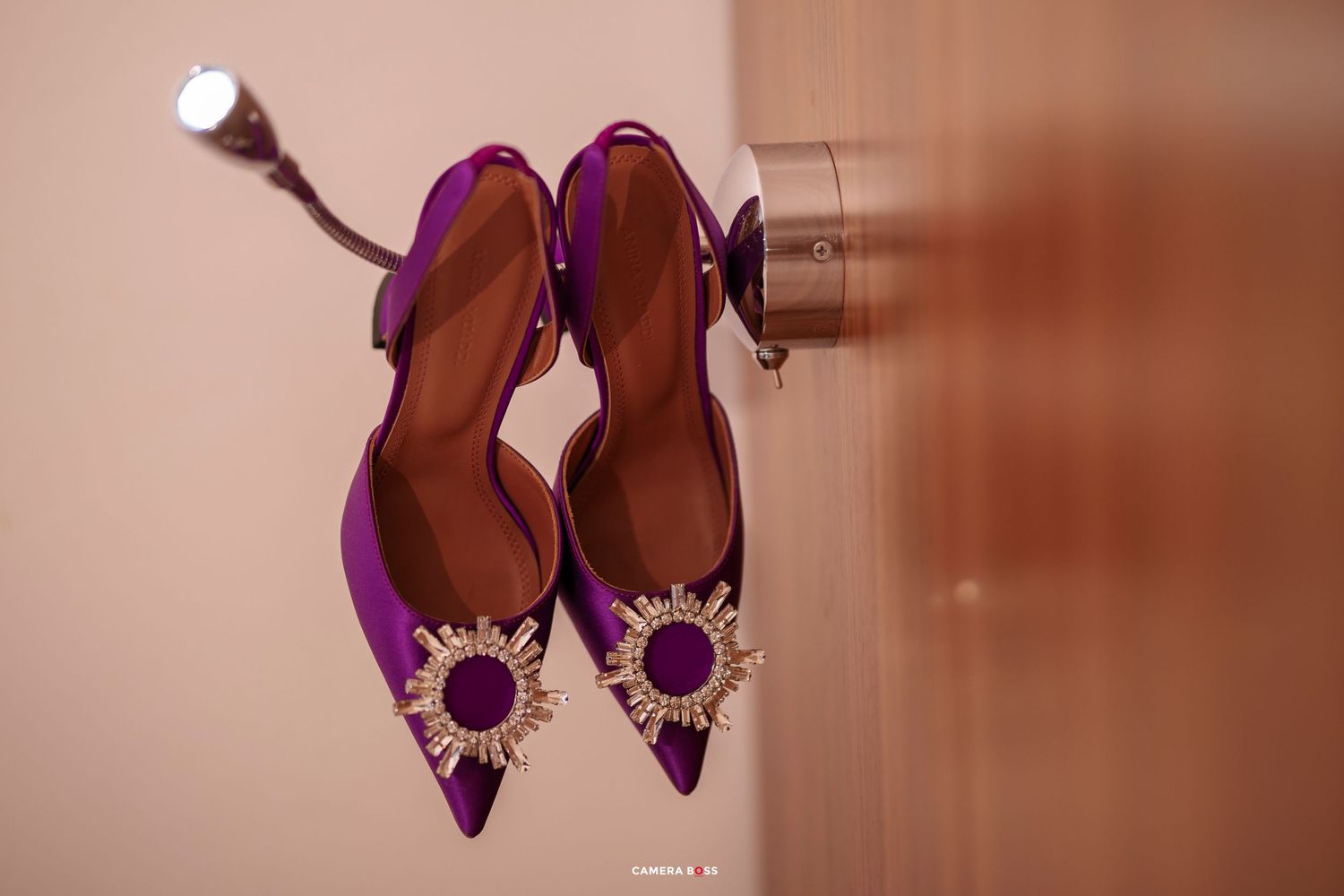
During that time, your photographer is working: detail shots of your dress, shoes, jewellery, flowers; candid moments with your bridesmaids and mother; the quiet emotional beats before the day begins. These are some of the most treasured images in any wedding gallery, and they cannot be recreated later.
A few practical notes:
- Choose a getting-ready room with a good window — natural side light is everything for these shots.
- Put your dress, accessories, and rings somewhere clean and uncluttered so your photographer can find them immediately on arrival.
- Build in a ten-minute buffer after getting dressed, before leaving — for quiet portraits, a breath, and a few frames with your parent or person who means the most to you.
The Ceremony: Arriving Early, Positioning Right
Arrive at your ceremony venue at least 15 to 20 minutes before your guests. This gives your photographer time to capture the space, the decor, your guests arriving, and the groom waiting. It also means you are never the last to arrive and under pressure.
For the ceremony itself, most UK wedding ceremonies — civil or religious — run between 30 and 60 minutes. For Nigerian and African church weddings, allow considerably longer: two to two and a half hours is common. This extended time is a gift to the photography — there are more processional moments, more music, more extended family entrances, and more emotional beats to capture.
Position matters. Before the day, ask your officiant where photographers are permitted to stand. For church ceremonies, discuss access to the aisle, the altar, and the balcony if there is one. A photographer who can move freely will always bring home a richer story.
Family Portraits: Plan the List in Advance
Family formals are some of the most time-consuming parts of any wedding day. With large extended families — which is almost universal in Nigerian and African weddings — this section can easily swallow 45 to 60 minutes without any planning, and considerably more if you haven't prepared a list.
The solution is simple: before your wedding day, send your photographer a written list of every family grouping you want captured, in order of importance. Assign a trusted person — a best man, a sibling — to help gather family members efficiently. This single step can reduce the time needed for family portraits by half.
I typically recommend working through the portrait list in this order: immediate family first (parents, siblings), then extended family, then bridal party, then wider friend groups. And always — always — keep 20 to 30 minutes of couple portrait time completely protected at the end of this section.
Couple Portraits: Protect This Time
This is usually the first thing couples volunteer to cut when the day runs behind, and it is almost always the thing they most regret cutting. Your couple portrait session is the one time in the entire day where it is just you two and your photographer — no family, no coordinator, no guests waiting. It is also the time when the most iconic images of your day are made.
I recommend a minimum of 30 minutes for couple portraits, ideally 45. If your venue has beautiful grounds, allow longer. If your day includes two outfits — as many Nigerian white weddings do — build in time for a brief portrait set with each look.
Most importantly: protect this time. Tell your coordinator it is non-negotiable. When the day runs slightly behind — and most days do — this is the session to honour, not sacrifice.
Golden Hour: Build It Into Your Schedule
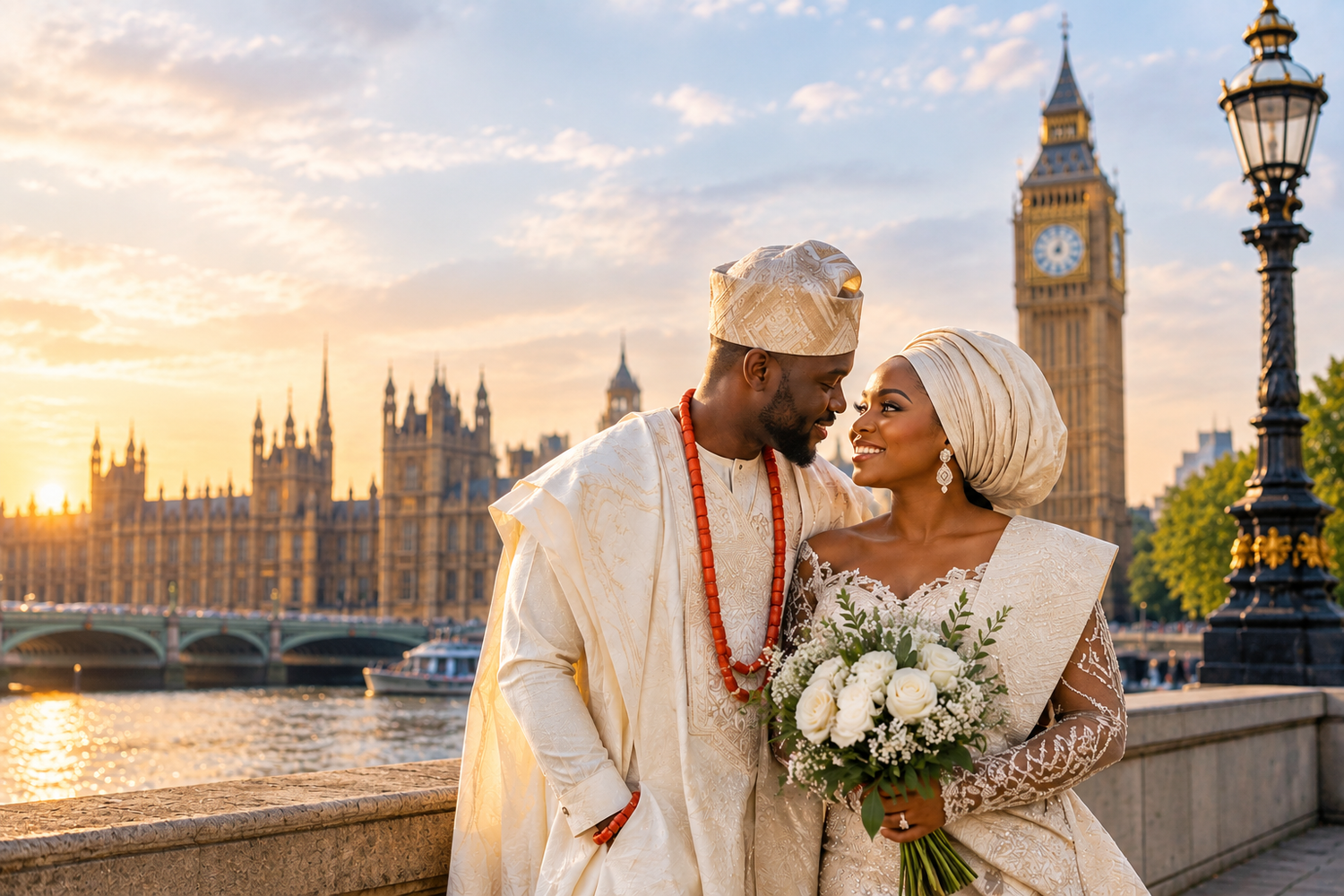
Golden hour — the soft, directional light that arrives in the 45 to 60 minutes before sunset — is not a photographer's indulgence. It is a genuinely different quality of light that makes portraits look and feel completely different to anything shot earlier in the day. The warmth, the softness, the long shadows: it is why so many wedding couples end up with their favourite images from a brief return outdoors at 7pm.
Check your sunset time for your wedding date at your venue's location, and build a 20-minute window into the reception for you and your photographer to slip outside. Your guests will barely notice you've gone. The images will last a lifetime.
The Reception: Key Moments Not to Rush
A well-structured reception leaves room for the moments that matter. The grand entrance — especially for Nigerian couples, where the bride and groom's entry and aso-ebi contingent arrivals are full productions in their own right — needs space. So do the first dance, the speeches, the cake cutting, and the money spray if you're having one.
Work with your photographer and coordinator to confirm the order and approximate timing of each reception moment before the day. Your photographer will position accordingly for each one, and no key moment will be missed because someone assumed it was happening later.
Nigerian & Multicultural Wedding Considerations
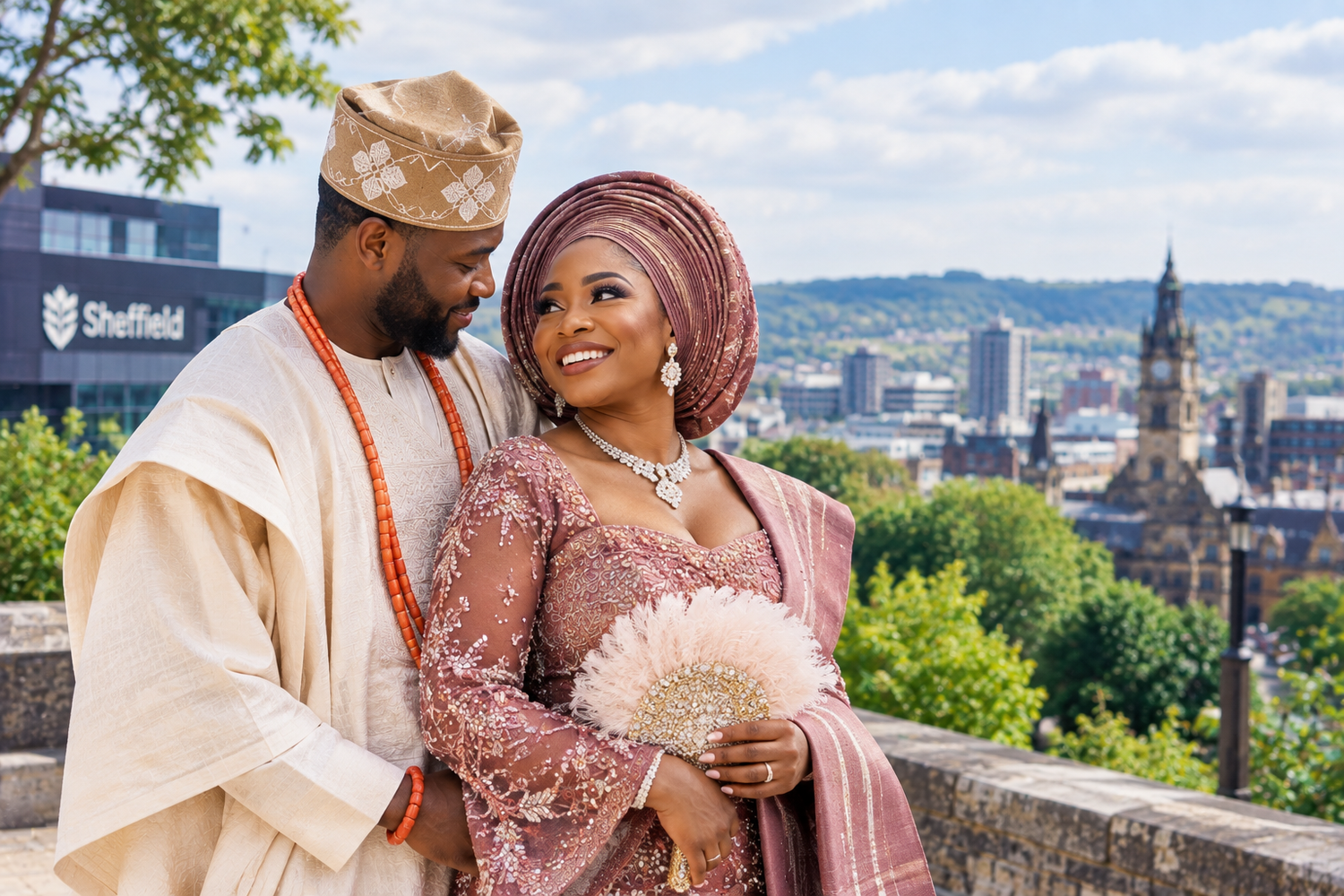
If you're planning a Nigerian wedding weekend — an introduction ceremony, traditional wedding, and white wedding — the photography timeline conversation is even more important. These are three distinct events, each with its own visual language, costume changes, and cultural moments. You can read more about how the Nigerian wedding weekend unfolds in The Nigerian Wedding Weekend Explained.
For multicultural and mixed-heritage celebrations — Yoruba-British, Ghanaian-Caribbean, Nigerian-Irish, and every combination in between — the timeline needs to honour the rituals and transitions of both cultures. At Cameraboss, this is a planning conversation we have with every couple, because the cultural moments I've been trusted to witness and photograph are irrepeatable. You cannot go back.
Some specific things to plan for in Nigerian and African weddings:
- Outfit changes: allow 20 to 30 minutes per change, including touch-ups.
- Elder and aso-ebi group portraits: add these to your family list and allow an additional 20 to 30 minutes.
- Cultural ceremony moments: kola nut presentation, prostration, kolanut blessing, money spray — discuss with your photographer in advance so they know where to be.
- Church/mosque timing: Nigerian church weddings often run significantly longer than estimated. Build in a one-hour buffer between your ceremony end time and your reception arrival.
A Sample Wedding Day Photography Timeline
Every wedding is different, but this gives a general structure for a full-day UK wedding with Nigerian/multicultural elements:
- 9:30am — Photographer arrives; detail shots, getting-ready coverage begins
- 11:00am — Hair and makeup complete; bride portraits, family moments
- 11:30am — Departure for ceremony venue
- 12:00pm — Ceremony begins (allow 1–2.5 hours)
- 2:00pm — Post-ceremony; guests congratulating, confetti, informal portraits
- 2:30pm — Family portraits (list prepared in advance)
- 3:15pm — Bridal party portraits
- 3:45pm — Couple portraits (protected, non-negotiable)
- 4:30pm — Reception begins; grand entrance, drinks, dining
- 7:00pm — Golden hour couple portraits (20–30 mins)
- 7:30pm — First dance, speeches, cake cutting, reception continues
- 9:00–10:00pm — Evening coverage ends
Take the Stress Out of Planning: The Cameraboss Wedding Planning Template
A beautifully designed, all-in-one wedding planning spreadsheet covering every detail — from your first vendor call all the way to your last dance. Say goodbye to scattered notes, missed payments, and planning overwhelm. Trusted by hundreds of brides. Instant download.
Download the Template →Frequently Asked Questions
How many hours of wedding photography coverage do I need?
For most UK weddings, 8 to 10 hours covers getting ready through to the evening reception. For Nigerian weddings or multi-ceremony days, 10 to 12 hours — or coverage across multiple days — is more appropriate. See our packages page for how we structure this.
Should I do a first look before the ceremony?
A first look — where you and your partner see each other privately before the ceremony — allows for an intimate portrait session while you're both fresh, and can free up time post-ceremony. Some couples love this; others prefer the traditional ceremony reveal. There is no wrong answer. Discuss it with your photographer to see what fits your day.
What if the day runs late?
It happens. The most important thing is to communicate with your photographer and coordinator as soon as a delay becomes apparent. We always build a small buffer into the timeline precisely for this reason. The moments that matter most — especially your couple portraits — are the ones we protect first.
How long until I receive my wedding photos?
At Cameraboss, full galleries are typically delivered within 6 to 8 weeks. You will receive a small preview set within 48–72 hours of your wedding day so you have something to share immediately.
Can you travel for destination or multi-city Nigerian wedding weekends?
Absolutely. We cover weddings across the whole of the UK and also travel to Nigeria — Lagos and beyond — for couples with traditional weddings at home. Get in touch to discuss your plans.
Build Your Timeline Together
The best wedding photography timelines are built collaboratively — between you, your coordinator, your venue, and your photographer. At Cameraboss, our pre-wedding planning call covers every aspect of your day in detail: light, location, cultural moments, family dynamics, and the moments you most want to have forever.
We've photographed weddings at venues across the UK — from Beamish Hall in the North East to Imperial House Banqueting in London — and every single one has taught us something new about how light and time and emotion come together on a wedding day. That accumulated knowledge is what we bring to your timeline planning.
And if you want a single place to organise every element of your wedding — vendors, payments, guest lists, timelines — we also have a Wedding Planning Template available for instant download. It’s the planning companion to everything we’ve built together in this guide.
See all the areas we cover, and when you're ready, we'd love to hear about your day.
Let’s Plan Your Day Together
Ready to talk timelines, cultural moments, and how to make every hour of your wedding day count? We’re here for it. Cameraboss photographs weddings across the UK for Nigerian, African, and multicultural couples — with the cultural understanding and creative artistry your day deserves.