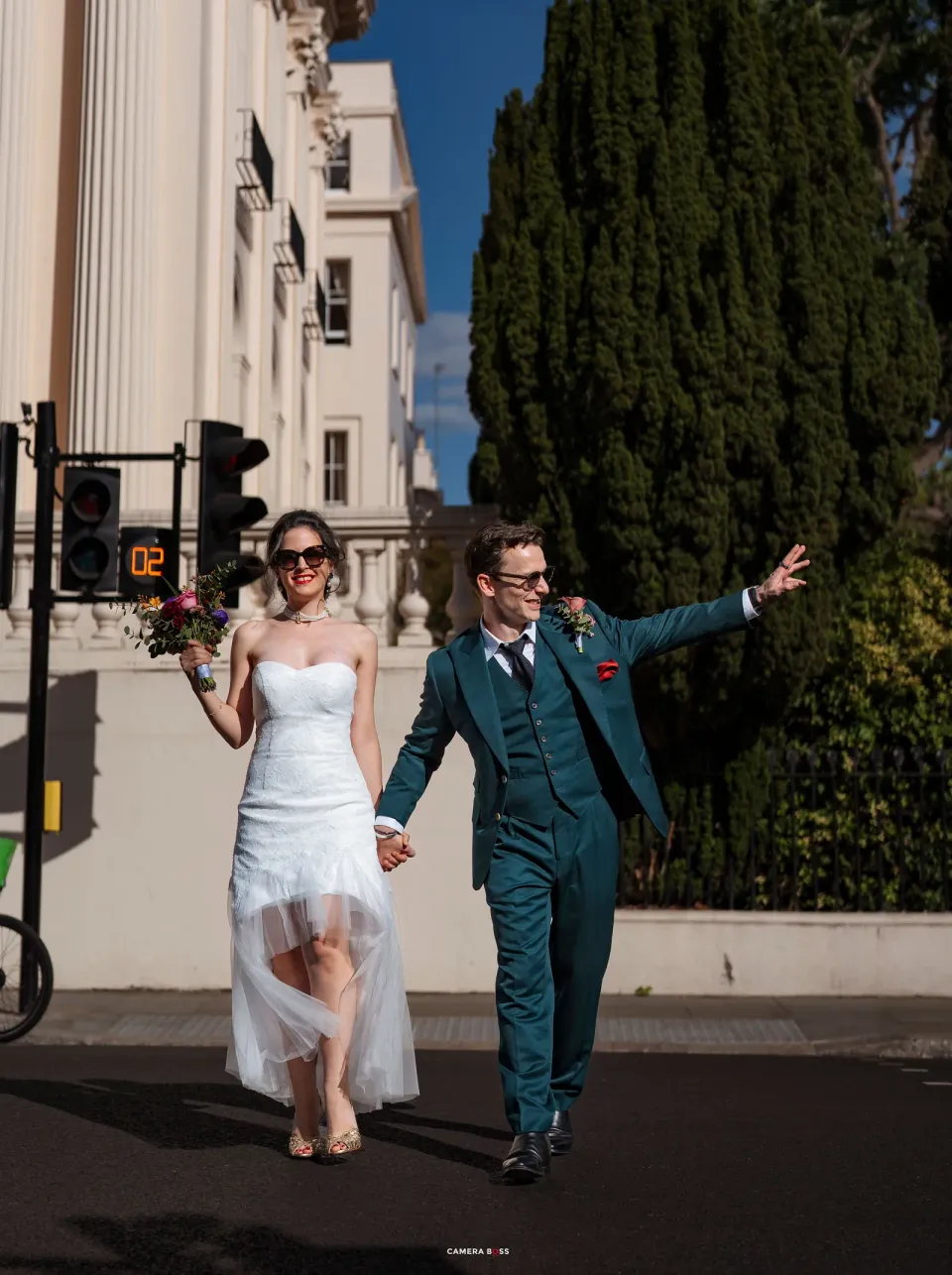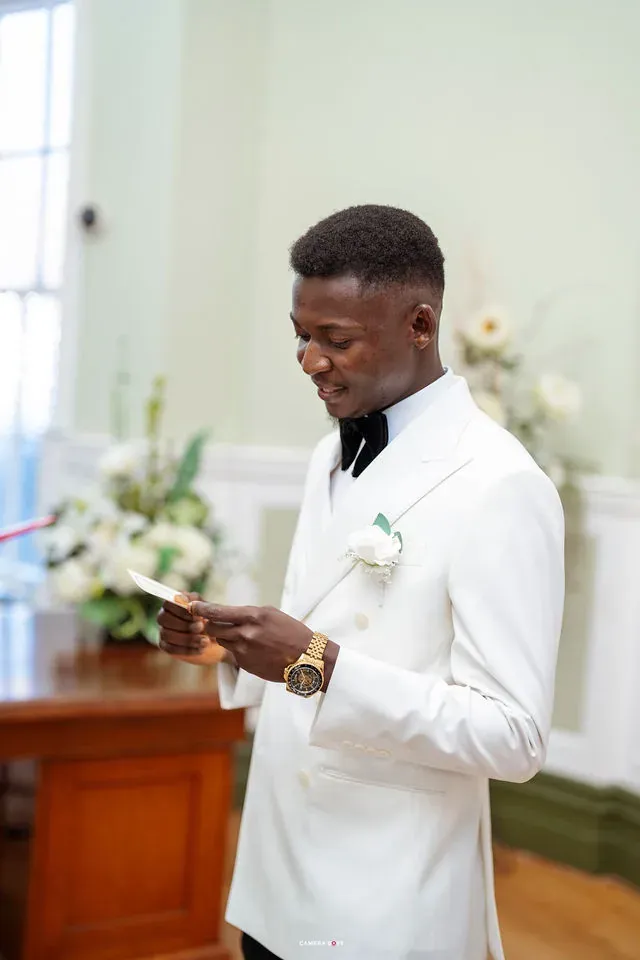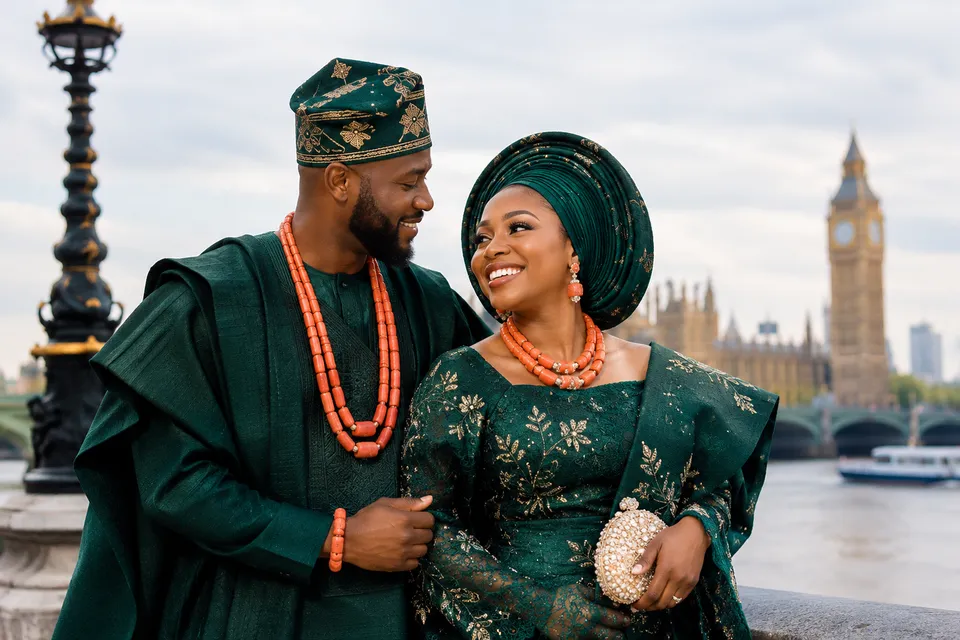
An Indian wedding weekend can include a mehndi on Thursday evening, haldi on Friday morning, a Saturday ceremony starting at seven and a reception continuing beyond midnight. A day rate designed for a forty guest register office wedding may cover only part of that schedule. For a 2026 booking, list the events you want photographed before comparing quotes, then check the hours and staffing for each.
Budgeting for Indian wedding photography
Bridebook's 2026 UK wedding report gives an average wedding photography figure of around £1,484. General guides often suggest a planning range of £1,400 to £1,800, with London and the South East about £200 to £500 higher. A wedding spread across several events needs a separate assessment of the coverage.
For Indian and wider South Asian weddings, an indicative photography figure is around £3,974. Combined photography and videography for a full Indian wedding in London may need a budget of £4,000 to £6,000. Treat these as starting figures for comparing detailed quotes, since the events and hours included can vary.
A Hindu wedding day in the UK may involve seven to eight hours of ceremony and reception. A Sikh day beginning with milni, continuing through the Anand Karaj and ending at an evening reception can reach twelve to fourteen hours. Add a mehndi and sangeet and the booking may span three working days. The quote needs to reflect that schedule.
Editing also increases with the coverage. A ten hour wedding can produce 3,000 to 5,000 raw frames and twenty to thirty hours of selection and grading. Across three events and a second photographer's cards, the work could reach eighty to a hundred hours. Check our wedding photography pricing, and confirm start and finish times in the quote. A booking ending at 9pm may leave some reception events uncovered.
Planning coverage across several events
A UK Indian wedding weekend often has four or five events. Give the photographer the location and intended timing of each one, including any preparations you would like recorded.
- Mehndi is often held two evenings before the wedding, with henna, close family and conversations at home. Allow time for the details of the hands as well as the people around them.
- Sangeet brings music, dancing and choreographed performances, often under stage lights. Decide how much of this evening you want covered before using the rest of your budget elsewhere.
- Haldi or pithi is usually a morning event involving turmeric, sometimes outdoors or in a garden. It can be lively and may last around ninety minutes, so confirm when the photographer should arrive.
- Baraat is the groom's procession, with dhol and sometimes a horse or open car. It can take twenty to forty minutes in strong daylight. The photographer needs to be ready along the route because the procession will continue without waiting for a photograph.
- The ceremony and reception usually require the longest coverage. A gurdwara Anand Karaj may mean the photographer needs to be on site from 6.30am.
Check when a ten hour booking begins. Starting at 11am could miss a bride's preparations on a Sikh wedding day and leave the first dance outside the booked hours. Work from the running order to choose the coverage window.
If the budget is limited, decide which events matter most. Some couples prioritise the wedding day and mehndi, then add the sangeet if the budget permits. Four consecutive fourteen hour days need a realistic staffing plan; fatigue can affect attention by the third afternoon. We can discuss coverage around your running order before you decide.
Photographing religious ceremonies
Ask about photography rules while the schedule is being prepared. Familiarity with a ceremony helps the photographer choose a respectful position and recognise when an important event is about to happen.
In a gurdwara, the photographer removes shoes and covers their head. Discuss how to move respectfully around the Guru Granth Sahib, including leaving the diwan hall to the side and avoiding a position higher than it. Flash is often unwelcome, and some buildings restrict photography within the hall. Speak to the granthi beforehand, since each gurdwara sets its own rules.
The four laavan, the circuits around the Guru Granth Sahib, take only a few minutes. The photographer needs to be in position before the couple stand and begin. Plan the angle beforehand so the ceremony can proceed without requests to repeat a movement.
At a Hindu ceremony, the jaimala garland exchange can happen quickly, with the couple on a stage or lifted by cousins. The saptapadi involves seven steps around the sacred fire. Smoke from the agni can affect visibility and contrast, including when working with a wide aperture. Discuss the running order and positions ahead of time. Our traditional ceremony portfolio includes examples of coverage across cultures.
Mixed light and accurate skin tones
Assess the lighting in the diwan hall, ceremony venue and reception suite separately. A setting that looks evenly lit to your eyes can be much harder to photograph consistently.
One room may combine tungsten downlights around 2,800K, daylight through doors around 5,600K and coloured LED uplighters. Automatic white balance can make faces shift from orange to magenta between frames. Setting white balance for each area and taking a grey reference frame at the start of an event gives the photographer a basis for consistent correction during editing.
Stock camera profiles and bought Lightroom presets need checking carefully on brown and dark skin. Watch for lost shadow detail or grey, ashy colour. Meter for the face and assess the result: in some scenes, that could mean two thirds to a full stop more exposure than the camera suggests. Adjusting individual scenes is more reliable than applying one preset to all 800 images.
A lehenga or sari in deep red and gold needs attention to colour as well as skin. If the red channel clips, embroidery detail can be lost. Checking exposure and reducing it slightly where needed gives more room to preserve the beadwork in the raw file. Look through our wedding galleries to compare how people are rendered in a bright haldi and a darker reception.

Preparing the CameraBoss coverage
I'm John Lekan, a British Nigerian photographer working in luxury and documentary weddings, and Creative Photographer of the Year at the Creative Industry Awards 2024. CameraBoss is based between Leicester and London, within reach of many of the UK's South Asian wedding venues.
Our experience of Indian wedding photography developed through Yoruba and Nigerian celebrations. These weddings can share practical demands: several events, 300 to 500 guests and family protocols about greetings, seating and essential group photographs. Strong colours need careful exposure and editing too. We discuss the running order and family priorities so the photography fits the ceremony.
A full wedding day may need two photographers when the baraat takes place outside while the bride finishes preparing indoors. Discuss who covers each event and confirm the staffing in your quote. A planning call should include the person who controls the schedule. Build the family group list beforehand as well: forty or more combinations can take an hour of the reception if they are organised after the ceremony.
Our client testimonials give you couples' accounts of working with us. Read them alongside complete galleries and use the planning conversation to ask how your own ceremony would be covered.
Questions for your shortlist
Ask each photographer about the details of your events. Their answers should explain how they prepare, work within venue rules and cover anything happening at the same time.
- Have they photographed at your venue or gurdwara? If the building is new to them, ask whether they will visit or call ahead to confirm its photography rules.
- Talk through your ceremony's running order. Ask how they would cover the laavan or pheras and where they expect to stand.
- Confirm how many photographers are included, and what a second photographer would cover during preparations and the procession.
- Agree the image count and delivery schedule in writing before booking. For CameraBoss coverage, see current pricing and contact us about your plans.
- Ask for examples showing mixed lighting and darker skin tones. Discuss how exposure and colour will be handled in your actual rooms.
- Ask what happens if the photographer is ill, and have the agreed contingency recorded in writing.
Legal arrangements can affect the schedule. Many UK couples hold a register office or licensed venue ceremony separately from the religious celebration. Check GOV.UK's guidance on marriages and civil partnerships and its register office finder for your plans. If you also want wedding videography, discuss how the photography and film teams will work together. Our areas we cover page may help when choosing locations.
Common questions
How much coverage does an Indian wedding need?Allow around ten to fourteen hours for the wedding day, depending on its events. A Sikh day with an early Anand Karaj and evening reception can reach fourteen. Mehndi and sangeet often need separate bookings of four to six hours.
Would two photographers help?They are useful when the baraat and the bride's final preparations happen in separate places at the same time. Confirm the plan for that overlap. A smaller haldi or mehndi may be manageable with one photographer.
Can photographs be taken in a gurdwara or mandir?Often they can, but the building's committee sets the rules. Confirm the positions permitted in the diwan hall, any limits on photographs and whether flash is allowed. These arrangements need checking for the specific building.
When will the photographs arrive?Agree gallery, film and album delivery details in writing before booking. See current pricing for CameraBoss coverage and contact us about your plans to confirm the details.
Should we include videography?Film can record dhol, sangeet performances and spoken vows as well as movement. Ask how the teams will coordinate around the mandap, where several suppliers may be working within the same three square metres. Clear roles help each person get the coverage you have requested.
Discuss your UK Indian wedding
Send the dates, venues and events you want photographed. We can work through the schedule together and discuss the coverage options that fit your plans.