Couples often ask for natural wedding photographs because they want to recognise themselves and their guests in the finished gallery. Documentary photography suits that preference: the photographer follows the day as it happens, with little interruption. The word appears on so many websites, though, that it is worth asking how each photographer uses it. A complete wedding gallery will show you which moments unfolded freely and which were directed.
What documentary coverage involves
Documentary wedding photography is also described as reportage, photojournalistic or candid coverage. The photographer watches events and photographs them as they unfold. In a strictly documentary approach, people stay where they are and moments are not repeated for the camera.
Working that way takes preparation and close attention. The photographer needs to find a position with useful light before a group gathers there, and have the camera ready when an expression changes. During a ten hour wedding, that can mean taking 3,000 to 5,000 frames. Several photographs may cover the same brief exchange, leaving room to choose the frame that best records it.
Look closely at the people in a finished gallery. Their eyelines usually follow each other or the activity in the room. Hands may be awkward, busy or affectionate in a way a pose would smooth out. Backgrounds can include ordinary details, such as a guest checking a phone. Those details help you recognise the actual setting and the people who were there.
This Is Reportage is one place to look at examples of this approach. When comparing photographers, spend time with their pictures as well as their descriptions. Ask how particular photographs came about, especially where a scene looks carefully arranged.
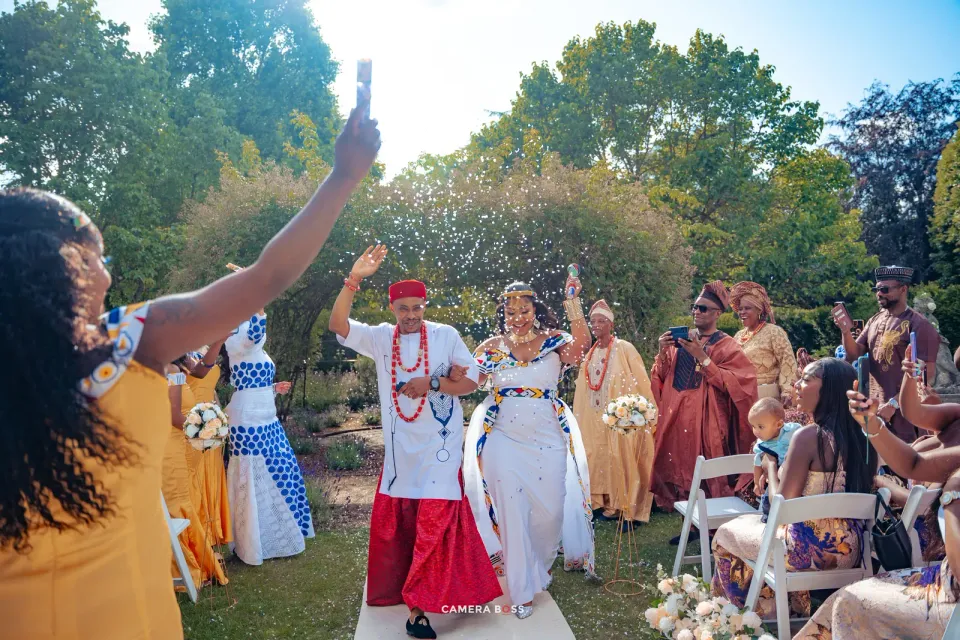
Anticipating a moment
Expressions can change while you are lifting a camera and finding focus. A mother's tears may have settled by the time a photographer reacts to them; two hundred milliseconds can be enough to change the photograph. Keeping the camera ready and noticing what is happening around the couple gives the photographer a better chance of catching that expression.
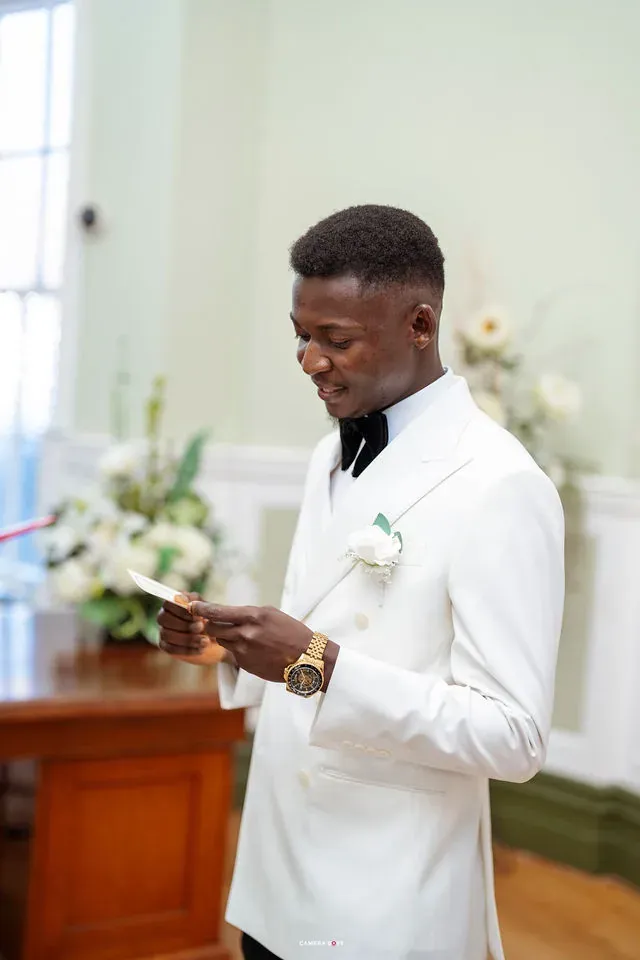
Experience helps a photographer recognise these small signs. A father's expression might change four seconds before he begins speaking. During vows, someone in the second row may be having a strong reaction while the couple remain composed. The groom's hands can reveal nerves before his face does. Watching several people makes it possible to photograph those moments as they develop.
You may see a documentary photographer standing quietly for a while. They could be waiting for a conversation or reaction to develop in a particular part of the room. Moving constantly and taking more pictures does not necessarily improve the coverage. A useful position, patience and attention often do more.
That experience affects the fee. Equipment helps, but recognising a likely moment takes practice across many weddings. The linked guide gives a UK average of around £1,484 for wedding photography in 2026; established reportage specialists often charge above that figure. Compare the work and the coverage included before deciding whether the difference is worthwhile. You can find our options on the CameraBoss pricing page.
When some direction helps
Discuss the parts of your day that need organising before choosing completely undirected coverage. Family groups, portraits and difficult rooms may all need a little help. Knowing how your photographer handles them makes the final gallery easier to plan.
- If you want a photograph with all four grandparents, put it on the group list. That gathering is unlikely to happen by chance. Ten to twelve combinations take about twenty five minutes when someone is calling names and helping people assemble. Without that help, the groups can take closer to an hour.
- Most couples want five or six photographs of just the two of them in good light. Set aside a short portrait session for those pictures. The photographer can guide you gently while leaving plenty of room for your own expressions and movement.
- A small hotel bedroom with brown furnishings and a ceiling light may need a few adjustments. Moving a dress towards a window is a form of direction, but it can make the fabric and the surrounding scene much clearer in the photograph.
- Ask about a December ceremony at 3pm in a stone church, or a similarly dark setting. A photographer who never uses flash needs to explain how they will work within the available light and what its limits are. Discuss reception lighting separately, since the options may be different.
For many couples, the practical choice is documentary coverage for most of the day, with short periods of direction for the photographs they have requested. Agree those exceptions in advance, particularly if a family photograph or a few portraits matter to you.
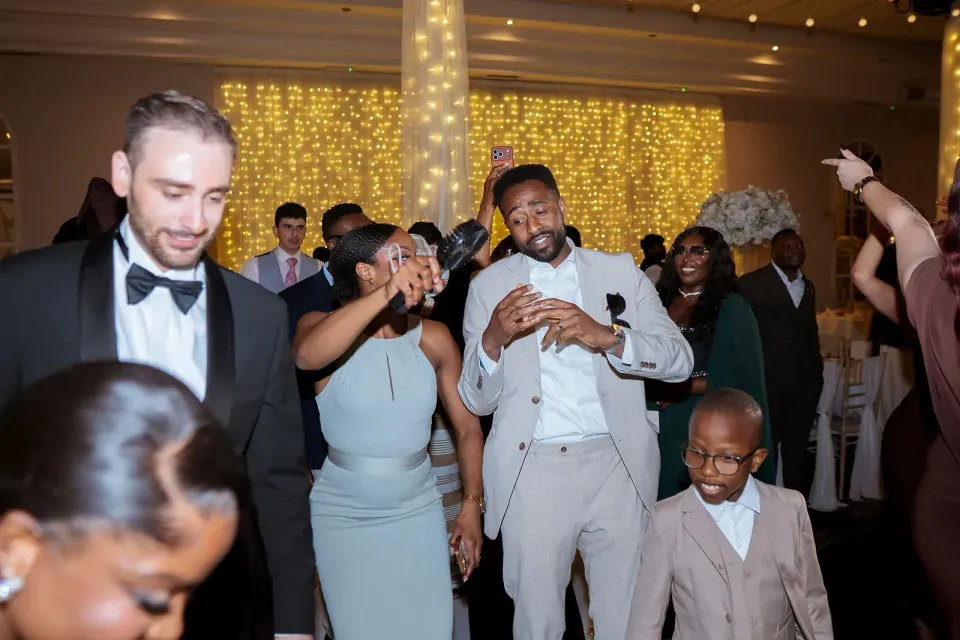
Preparing for cultural and religious ceremonies
Familiarity with a Church of England or register office wedding does not cover every running order. A receiving line, meal, speeches and first dance provide one familiar sequence. Other ceremonies have different events and different moments when relatives are likely to react.
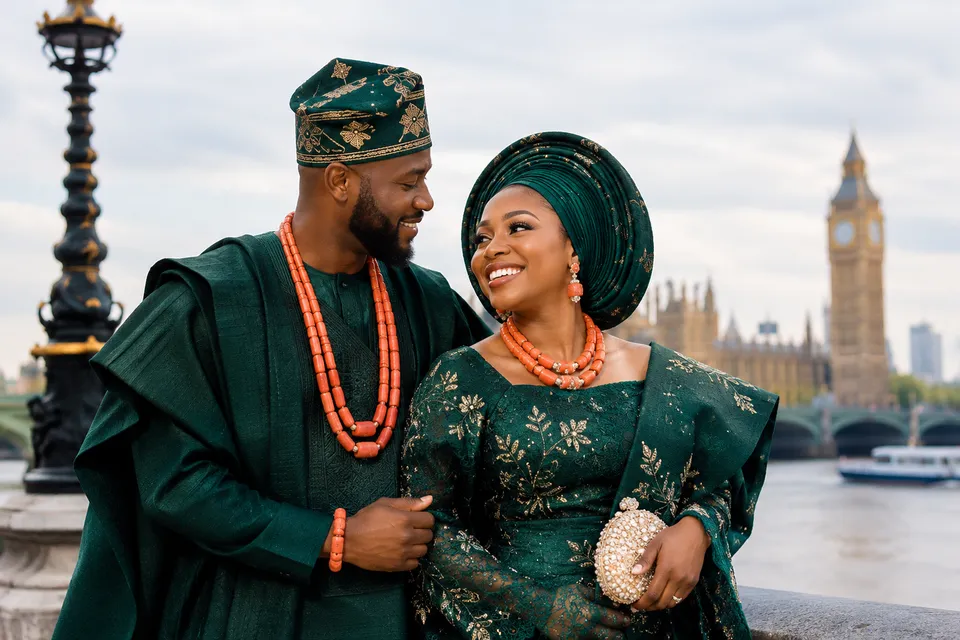
A Yoruba engagement, Sikh anand karaj, Hindu ceremony or Nigerian traditional wedding needs its own preparation. A photographer should know when prostration happens in a Yoruba ceremony and where to stand for it. At a Hindu wedding, the vidaai can be an emotional farewell for the family. Those moments deserve attention even when they fall outside a photographer's usual sequence.
I'm John Lekan, a British Nigerian wedding photographer working in luxury and documentary coverage, and Creative Photographer of the Year at the Creative Industry Awards 2024. I discuss the ceremony's running order because it helps me get into position before an important moment. That conversation is part of preparing for the day, especially where several traditions are involved.
Exposure needs attention too. A white dress beside darker skin can challenge a camera's default metering, particularly as the light changes. We pay attention to the people in the frame when exposing and grading the photographs, so the gallery remains consistent from an outdoor ceremony to a dark reception. Our wedding galleries and the traditional ceremony work at Aworan show examples.
What to ask before booking
Use these five questions when speaking to a photographer. They help you understand how a full day is covered and how much direction you can expect.
- Ask to see one complete wedding from start to finish. Thirty attractive photographs selected from three years of work cannot show how one day was handled. Look at the quieter periods after the ceremony and during the meal, as well as the portraits and celebrations.
- Ask how family groups are organised. A useful answer covers the number of combinations, the time needed and who will gather each side of the family. Agreeing those details helps keep the groups from taking over your drinks reception.
- Ask how the photographer works in a dark ceremony room. Discuss fast prime lenses, the ISO settings they are comfortable using and any discreet light planned for the reception. The answer should relate to your venue and its restrictions.
- Ask for a gallery from a ceremony like yours. If religious or cultural traditions shape the day, talk through the running order and the important moments. Previous photographs give you something concrete to assess alongside the conversation.
- Ask how many edited images are included and when they will arrive. Four to eight hundred is a common range for a full day; agree the delivery schedule in writing. A much larger number may reflect less selective editing. For CameraBoss coverage, see current pricing and contact us about your plans.
Our experience page explains how I work through a wedding day. A session beforehand can also help you become more comfortable in front of the camera; you can read about those under editorial shoots. If you are arranging the legal part of the ceremony, GOV.UK's register office finder is a useful starting point.
Common questions
Is documentary photography different from reportage?In UK wedding photography, documentary, reportage, photojournalistic and candid are commonly used for the same observational approach. Photographers can interpret the terms differently, so ask how they work and compare complete galleries.
Will we have any posed photographs?You can agree family groups and a few couple portraits alongside documentary coverage. Those photographs usually need gentle direction. The other nine hours of a long wedding can still be photographed as they happen.
Does documentary photography cost more?It often does, particularly with an experienced specialist. The source guide puts the 2026 UK average at roughly £1,484, and established documentary photographers commonly charge more. Compare their experience, editing and coverage as well as the price.
How many photographs will we receive?Four to eight hundred edited images is a typical full day range from the 3,000 to 5,000 frames taken. Selection is part of the job: several frames may show the same moment, and the finished gallery should be easy to follow.
Does this approach suit shy couples?It often suits couples who feel uncomfortable posing, because much of the day passes without asking them to perform for the camera. A short session before the wedding can help with nerves and make the photographer feel more familiar.
Look through a complete wedding
Tell me your date and venue if you would like to discuss the coverage. We can talk about the photographs you want and look at a complete gallery from a wedding relevant to your plans.