Cameraboss | Industry & Trends | 16 July 2026
Something is shifting in how couples think about their wedding photographs. The digital gallery — delivered, viewed once, and quietly forgotten in a Dropbox folder — is no longer the destination. In 2026, more and more couples are asking a different question: not just where will these images live online, but where will they live on our walls? This is the story of how wedding photography is becoming fine art, what is driving it, and what it means if you are planning your wedding or building your career behind the lens.
The Problem With the Digital-Only Era
For much of the last decade, the promise of wedding photography was convenience: a link, a download, hundreds of images delivered to your inbox. It felt generous. It felt modern. And for a while, it worked.
But something was lost. The physicality of photography — the weight of a print, the texture of paper, the way a framed image commands a room — disappeared almost entirely. Couples would return from honeymoon, spend a few evenings scrolling through their gallery, share a handful of images on Instagram, and then... nothing. The photographs lived on a hard drive. They were never hung. They were never looked at the way a piece of art is looked at: daily, casually, with fresh eyes each time.
The wedding photography industry is waking up to this loss. And couples are leading the conversation.
Five Reasons Wedding Photography Is Moving Towards Fine Art in 2026
1. The “Anti-Trend” Era Values Permanence Over Virality
The most significant shift in wedding photography right now — confirmed by photographers across the UK — is a collective turning away from performative, filter-heavy, trend-chasing imagery in favour of photographs that feel real and will age well. A print on a wall is the ultimate test of an image: does it hold up when it is not surrounded by likes and comments? In 2026, couples are asking that question before they book their photographer, not after they receive their gallery. Timeless, true-to-colour, emotionally honest photography is what survives on a wall for thirty years.
2. The Return of 35mm Film Is a Return to the Object
The revival of 35mm film photography at weddings is not simply about aesthetics, though the grain and warmth are genuinely beautiful. It is also about the physical nature of the medium itself. Film produces a negative — a real, tangible thing. The print made from it carries that physicality. When couples invest in film coverage, they are often also investing in the idea of photography as an object to be held, displayed, and passed down. This is the logic of fine art collecting applied to personal memory.
3. Couples Are Investing in Their Homes — and Their Walls
Interiors culture has never been more present in everyday life. Pinterest boards, Instagram save folders, and interior design content on TikTok have created a generation of couples who think carefully about what goes on their walls and why. For many, a large-format wedding print — a single, beautifully chosen image, printed on archival paper or mounted behind glass — is as intentional a design choice as a piece of furniture. The wedding photograph is no longer competing with wallpaper; it is competing with art.
4. Photographers Are Positioning Themselves as Artists
The photography industry is also changing from within. A generation of photographers trained in documentary and editorial traditions — many of whom have exhibited work in galleries, published photo books, and participated in fine art culture — are bringing that sensibility to weddings. When your photographer thinks of themselves as an artist first and a service provider second, the images reflect that. The framing is more considered. The edit is more restrained. The result is a gallery that contains a handful of genuinely extraordinary images alongside the full documentary story of your day.
5. AI Is Raising the Stakes for Human Artistry
As AI-assisted editing tools become more common across the photography industry, a countermovement is gaining strength: the celebration of hand-crafted, intentionally made images that carry the mark of a real human eye. When any image can be made technically competent by software, the question of artistic vision becomes more important, not less. Fine art wedding photography — images made with deliberate aesthetic choices, genuine emotional intelligence, and a clear point of view — is how photographers and couples alike are pushing back against the homogenisation of the medium.
What Fine Art Wedding Photography Actually Looks Like
It is worth being specific, because “fine art” is a term that gets used loosely. In the context of wedding photography, it does not mean heavily stylised, over-edited, or artificially darkened images. It means the opposite.
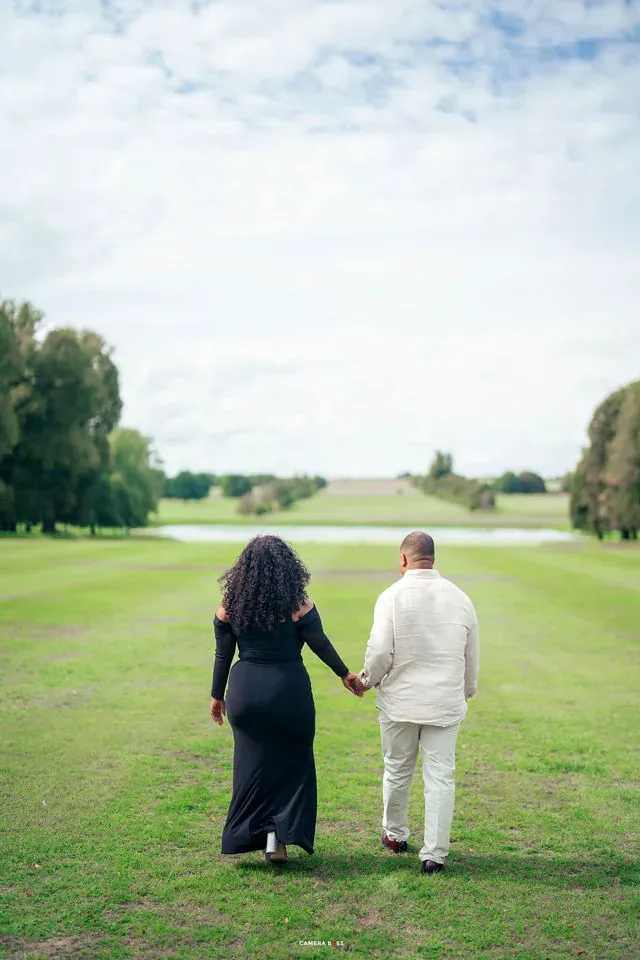
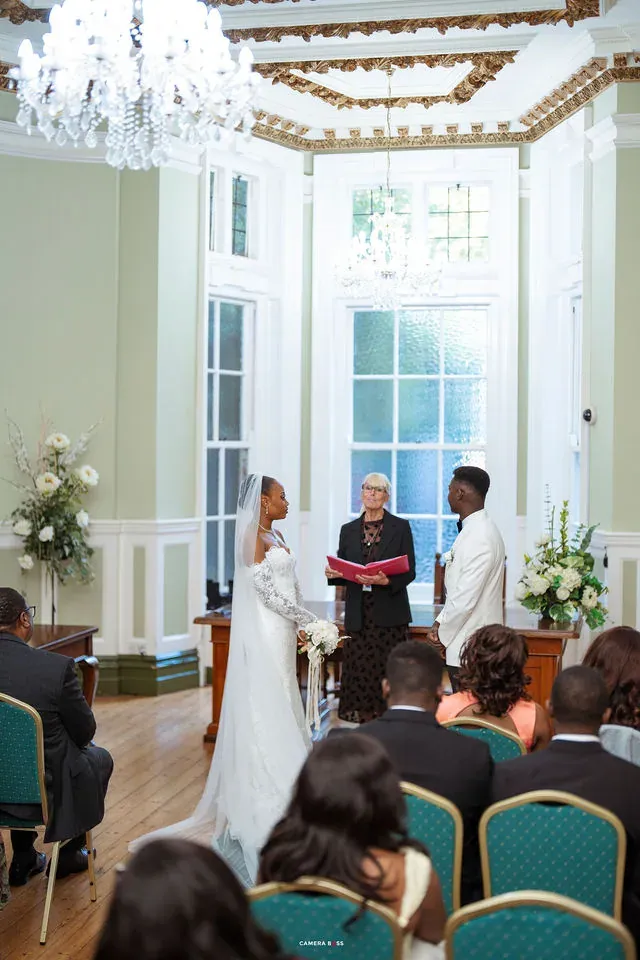
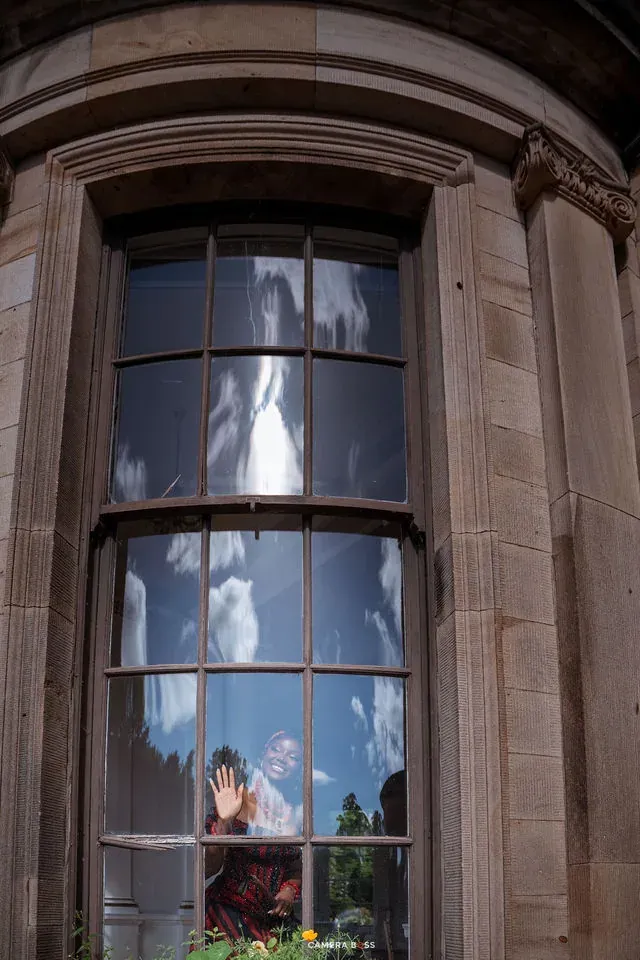
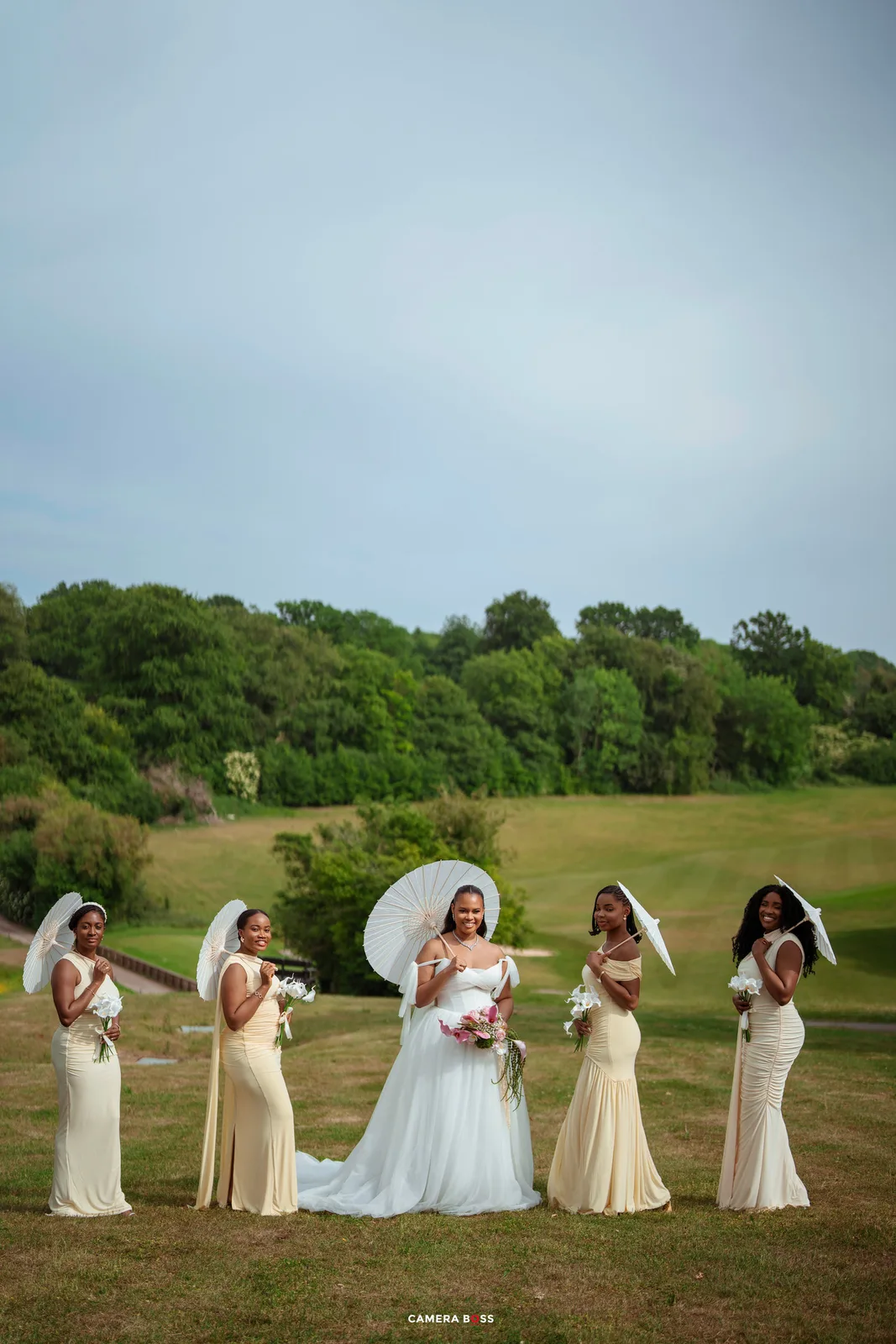
Fine art wedding photography is characterised by restraint and intention. The light is used, not manufactured. The composition is considered, with space and balance that give the image room to breathe. The colour is honest — skin tones are true, the environment is faithfully rendered. And the subject — almost always the people, in real moments — is captured rather than directed. The result is an image that would look at home in a gallery: calm, confident, and full of feeling without being sentimental.
At Cameraboss, this is the standard we hold ourselves to. John’s work has been exhibited at Boomer Gallery in London and at Atirira Gallery in Lagos — contexts where images are judged by the same criteria as any other fine art work. That training shapes everything about how we approach a wedding day. You can see the quality of the imagery in our Aworan portfolio and in our editorial shoots.
For Photographers: Why Fine Art Positioning Changes Everything
If you are a wedding photographer reading this, the shift towards fine art is not just a trend to note — it is a business model. Photographers who position themselves as artists command higher fees, attract clients who value longevity over social media virality, and build portfolios that improve the quality of future bookings. The fine art market within wedding photography is also the market that is least disrupted by the rise of smartphone cameras and AI tools, because what those clients are buying is not a competent record of their day — it is the photographer’s eye.
At Cameraboss, we offer photography classes and mentoring for photographers who want to develop their visual language and learn how to produce work that holds up beyond the wedding day. The conversation about fine art and wedding photography is one we find endlessly interesting — reach out through the contact page if you would like to talk.
For Couples: How to Make Sure Your Wedding Photos End Up on Your Wall
There are a few practical things you can do at the planning stage to make sure your wedding photographs become the art they deserve to be.
Choose your photographer for their full galleries, not their highlights reel. A highlights reel is curated to impress quickly. A full gallery shows you what the photographer does with an entire day, including the quiet moments, the dark interiors, the candid family portraits. If you love a full gallery, you will almost certainly find images in it that you want to live with permanently.
Ask about print options early. The best photographers either offer fine art printing themselves or can recommend a trusted print lab. Archival pigment prints, printed on high-quality matte or baryta paper, are the standard for images that are intended to last decades. Ask what your photographer recommends and factor it into your budget.
Think about your walls before your wedding day. If you know you want a large-format print above the fireplace, tell your photographer. They will be thinking about aspect ratios, compositions, and image selections with that wall in mind from the moment they arrive.
Give the day room to breathe. The photographs that look most extraordinary as prints are almost always the ones taken when the day was unrushed — a few minutes with the couple in good light, a quiet moment between family members, the details of the room before the guests arrive. A well-built photography timeline creates those pockets of possibility.
Frequently Asked Questions: Fine Art Wedding Photography
What is the difference between fine art wedding photography and regular wedding photography?
Fine art wedding photography prioritises intentional composition, honest colour, restrained editing, and emotional truth over stylised trends or competent documentation. It produces images that hold up in a physical print, on a gallery wall, or in an album decades later. The difference is in how the photographer thinks about each frame, not just the technical settings they use.
Are fine art wedding photographers more expensive?
Generally, yes — because fine art positioning reflects a higher level of skill, taste, and intention. But the value is also different: you are not just paying for images, you are investing in pieces that will live in your home, be passed to your children, and represent your story at the highest possible standard. View our packages and pricing for full details.
What size should I print my wedding photos?
For a statement wall print, most couples choose something between 50x70cm and 100x70cm. For bedroom or hallway pieces, 40x50cm can feel intimate and perfectly scaled. Ask your photographer which images from your gallery have the resolution and composition to scale up well before ordering.
Will you help us choose which images to print?
Yes. Part of our service is helping couples navigate their gallery and identify the images that will look most powerful as prints. We know which frames we made with scale in mind, and we are happy to advise on print size, paper type, and framing.
Can I see examples of Cameraboss work in a fine art context?
Yes — John’s photography has been exhibited at Boomer Gallery in London and Atirira Gallery in Lagos. You can also explore the full range of his creative and wedding work at Aworan and through our client galleries.
Let’s Make Something You Will Want to Hang on Your Wall
If this kind of photography resonates with you — images made with intention, built to last, and worthy of your walls — we would love to talk. Cameraboss is taking bookings for 2027 and 2028 weddings across the whole of the UK.
© 2026 Cameraboss Multimedia Ltd · cameraboss.co.uk · @thecameraboss
Creative Photographer of the Year — Creative Industry Awards 2024 · Exhibited: Boomer Gallery, London & Atirira Gallery, Lagos