Wedding photography in the UK is quoted in different ways, so it helps to know what the fee includes before comparing prices. County, coverage length and the package contents can all change the total by thousands. Start with the budget, then check how many hours and finished photographs it buys.
UK wedding photography costs in 2026
Bridebook’s 2026 report gives an average of £1,484. Hitched's 2026 industry report, based on 2,020 newlyweds, puts it nearer £1,590. Full-day coverage averages around £1,813 nationally. These figures measure different mixtures of bookings: half-day packages bring an overall average down, while full-day coverage involves more work.
The reported average UK wedding cost in 2026 is £21,990, with photography commonly budgeted at 10-15% of total spending. A planning range used for photography is roughly £1,500 to £3,300. Compare that range with the coverage you need and the proportion of your own budget you want to allocate.
London full-day packages average £2,813, about 55% above the national figure used in that comparison. Yorkshire is around £1,247 and Scotland £1,540; the Midlands and North generally sit near or below the national average. Rent, travel, insurance and local demand affect pricing. A quote from Derby and one from Kensington can have different cost bases without indicating a difference in quality.
Ask what explains the total. A useful quote states the coverage hours, image delivery, turnaround and arrangements for illness. Our wedding photography pricing sets out the options so you can compare the coverage.
Work beyond the wedding day
A ten-hour wedding can produce between 3,000 and 5,000 raw frames, each of which needs to be reviewed. Selecting and editing the gallery takes around 20 to 30 hours, before album design, setting up the gallery and client calls. Much of the fee therefore covers work after the wedding.
A rough UK benchmark is 50 to 75 finished photographs per hour. Eight hours gives around 400 to 600 images; a busy full day may reach 800. If a package promises 2,000 images from one day, ask how they will be selected and edited. A usable gallery needs a considered selection as well as a high total.
Guest numbers also affect the coverage. A 130-guest wedding creates more opportunities for photographs than one with 30 guests, particularly during arrivals, the ceremony, groups and the drinks reception. Discuss how much guest coverage you want when choosing hours and photographers.
Running costs include two camera bodies for backup, professional indemnity and public liability insurance, backup drives and any second-shooter fees. Travel and accommodation may add to the quote. A £2,000 fee can cover roughly 40 hours of work plus those overheads, so the time on the wedding day is only part of the calculation.
Planning around British daylight and weather
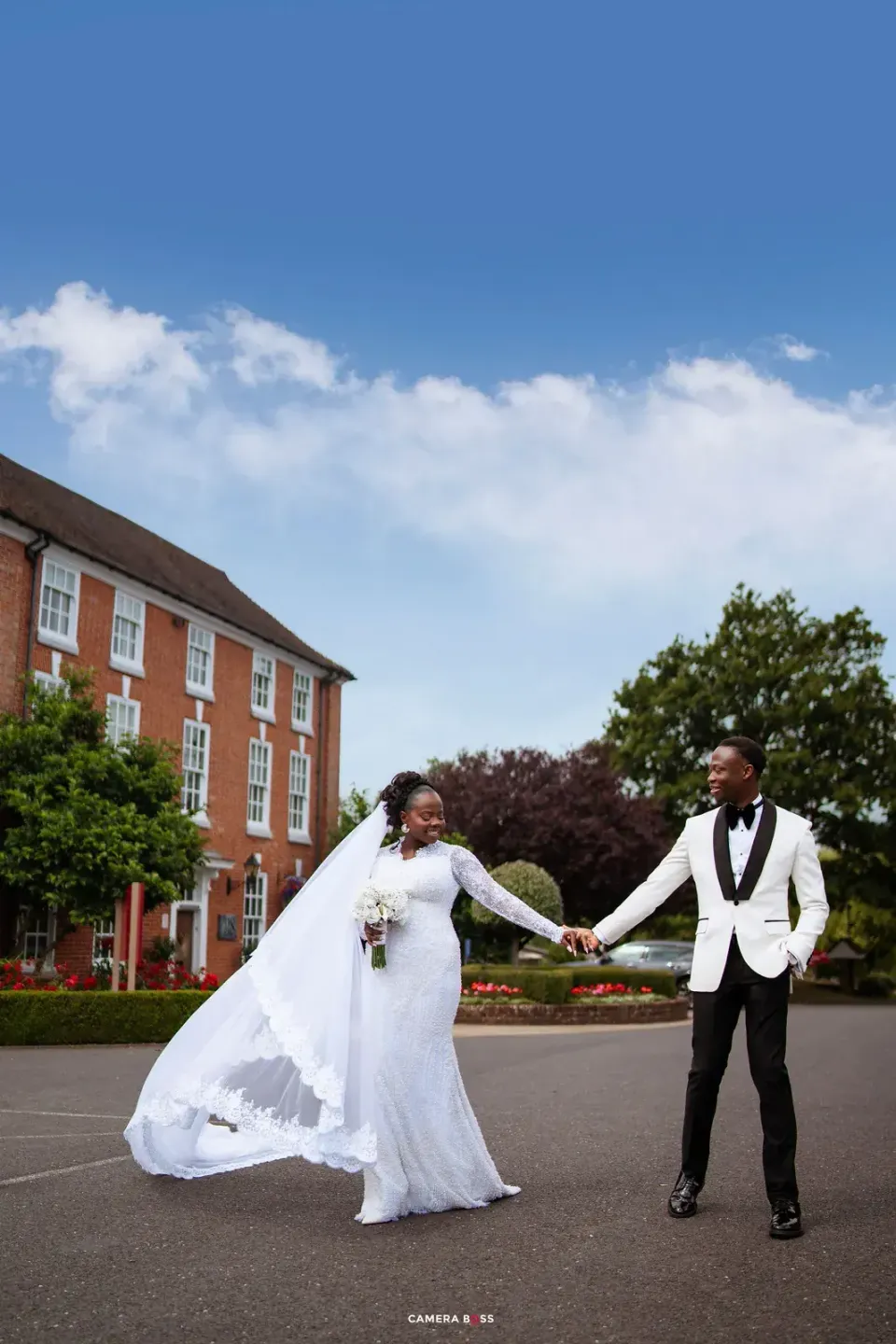
Daylight varies greatly through the year. In late June, sunset is around 9.20pm in southern England and nearer 9.45pm in the north. In mid-December it is roughly 3.50pm. A 3pm winter ceremony leaves little daylight afterwards, so couple portraits may need dusk or artificial light.
Between November and February, I usually suggest considering a ceremony at 12pm or 1pm. An earlier start can leave another hour of useful daylight for outdoor photographs. Discuss this before fixing the venue schedule, particularly if daylight portraits are a priority.
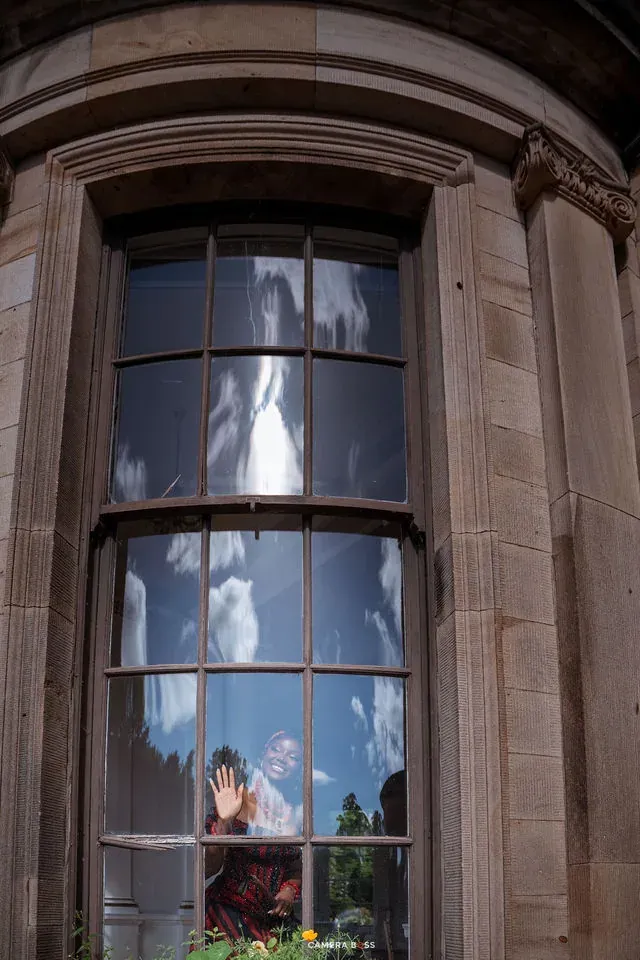
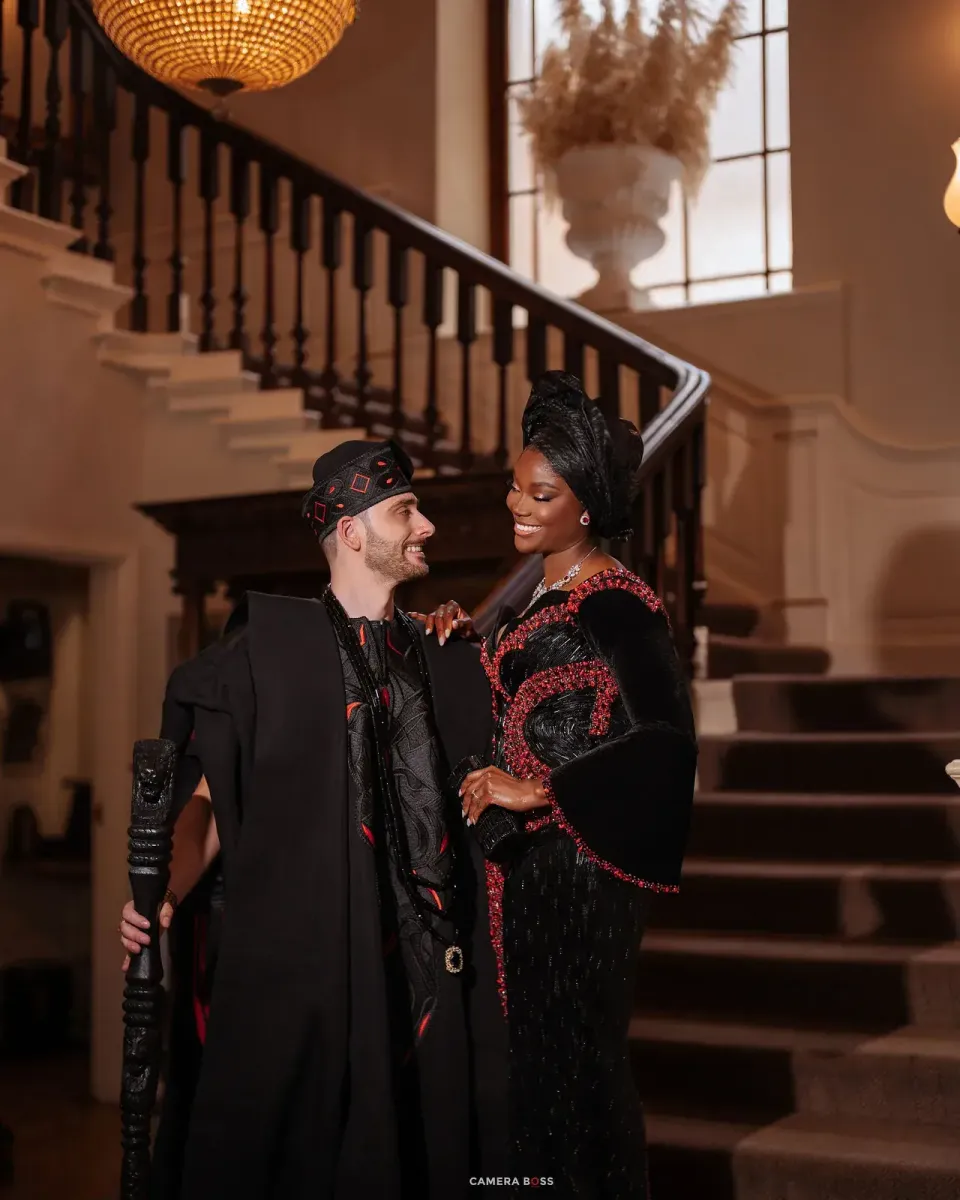
Make a wet-weather plan too. An estimate of roughly one in three UK weddings experiencing some rain gives a reason to prepare. On venue visits I look for sheltered options, such as a covered colonnade, a large north-facing window, stairwell or orangery. Knowing where to go saves time if the weather changes.
Allow some flexibility around a fifteen-minute evening-light window. Golden hour moves with the date. Ten minutes outside after the main course can give you softer light than an hour of posed portraits at midday, if the schedule and conditions allow.
Ceremony rules and practical arrangements
In England and Wales, the notice process at a register office includes waiting at least 28 full days before the ceremony. Read GOV.UK’s marriage and civil partnership guidance for the requirements that apply to your plans and leave time for the paperwork.
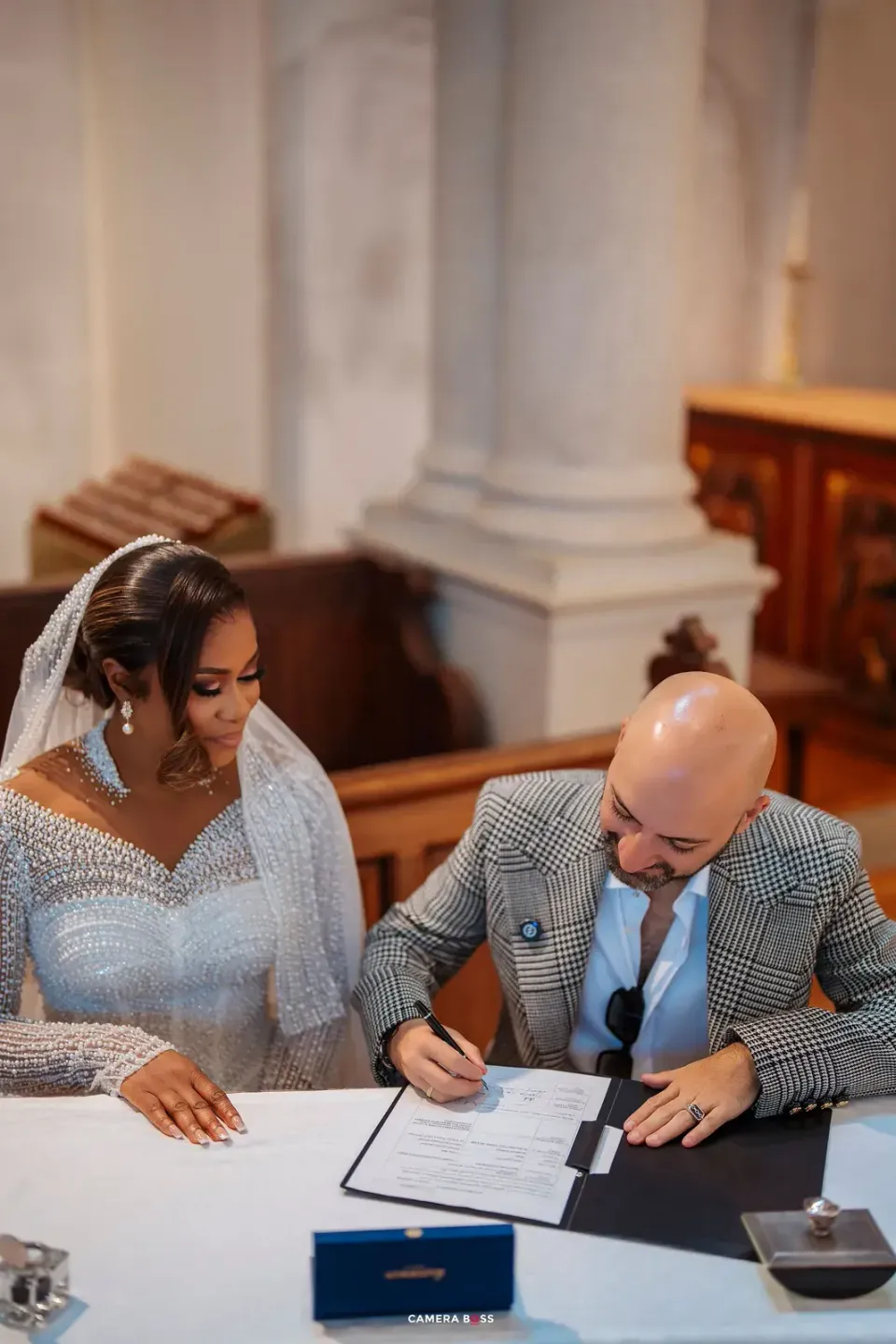
Check your ceremony venue's photography restrictions. Some register offices prohibit photographs during the ceremony and re-stage the signing afterwards. Video may be limited to stationary, battery-operated cameras, and confetti may be allowed outdoors only. The rules affect the coverage you can book.
Discuss those conditions before the day, so the photographer has a plan by 2pm. Approved premises set their own arrangements, and a church, gurdwara, mosque or register office may each give a different answer.
Ask about illness cover and expect an explanation of the replacement arrangement. Also ask who retains copyright and what your licence allows. Confirm permission to print and share the photographs in writing.
Choosing a photographer for your wedding
Look through two or three complete galleries as well as the portfolio. Twenty strong frames show only a small part of someone's work. A full wedding lets you judge the quieter middle of the day, group photographs and dark reception alongside the highlights. Our client galleries show complete sets.
At Cameraboss I photograph Yoruba, Nigerian, Asian and multicultural ceremonies. Knowing the engagement running order, when the prostration happens and when elders step forward helps me prepare a position before each moment. Discuss the sequence with your photographer so they can plan for it.
Look closely at skin colour too. Default metering and generic presets can leave darker skin underexposed or flat. A wedding party with different complexions under warm indoor light needs careful exposure and grading. Ask to see work in similar conditions; our traditional and Nigerian ceremony photographs provide examples to assess.
I am a British-Nigerian luxury and documentary wedding photographer, named Creative Photographer of the Year at the Creative Industry Awards 2024. I work across the UK from bases in Leicester and London. Our experience page explains the process from the first call to the final album.
Booking and next steps
Popular UK photographers take bookings 12 to 18 months ahead, with peak Saturdays between May and September usually filling first. If you secure a venue eighteen months ahead, contact photographers then too. Waiting until four months before the day can leave a smaller shortlist.
A Thursday in March may cost less than a peak Saturday and offer more supplier availability. If your date is flexible, compare midweek and off-peak quotes before deciding where to reduce the budget. Discounts vary by supplier.
Decide early whether you want film as well as photographs. Planning both together gives the photographer and videographer time to coordinate positions and avoid appearing in each other's frames. Our combined wedding photography and videography options are designed for that coordination.
For a starting budget, consider £1,500 to £3,300 for photography in 2026, with roughly 40 hours of work behind a wedding. Alongside the fee, check the daylight available after the ceremony. Moving it forward an hour may give you more room for outdoor photographs.
Common questions
Q: How much should we budget for wedding photography in the UK?A: £1,500 to £3,300 is a useful starting range. Photography is often planned at 10-15% of a wedding budget, with the reported UK wedding average at £21,990. London's regional comparison is roughly 55% above the national figure; the Midlands and North generally sit near or below it.
Q: How many photographs should we expect to receive?A: Around 50 to 75 edited images per coverage hour, or 400 to 600 for eight hours and up to 800 for a busy full day. If a photographer promises far more, ask about the selection and editing process.
Q: How long does editing take after the wedding?A: Agree gallery, film and album delivery dates in writing before booking. For CameraBoss coverage, see current pricing and contact us about your plans.
Q: Can our photographer shoot during the ceremony?A: Check the venue's rules. Some register offices restrict ceremony photography and re-stage the signing afterwards. Churches and other religious venues set their own conditions, so agree the arrangements before the day.
Q: How far in advance should we book?A: Allow twelve to eighteen months for a peak Saturday between May and September. Midweek and winter dates may have more availability and lower rates, depending on the supplier.
Talk to us about your date
Tell us about the coverage you want and your wedding date. We can discuss how the photography would fit the day and what it would cost.