Ghanaian weddings in the UK are extraordinary occasions — layered, colourful, fast-moving, and filled with the kind of joy that does not wait for a camera to catch up. If you are planning a Ghanaian wedding — or a wedding that weaves Ghanaian traditions into a British day — this guide is for you. And if you are searching for a photographer who can keep pace with the drumming, the outfit changes, the Knocking ceremony and the dancing without missing a beat, read on.
Why Ghanaian Weddings Deserve a Photographer Who Truly Understands Them
There is a difference between a photographer who simply turns up on the day and one who arrives already knowing what is about to happen. At Cameraboss, we have had the privilege of working with West African couples across the whole of the UK — from London and Leicester to Manchester, Birmingham, and beyond — and the truth is this: a Ghanaian wedding unfolds on its own terms, at its own pace, and with its own visual language. A photographer without cultural grounding will miss the story.
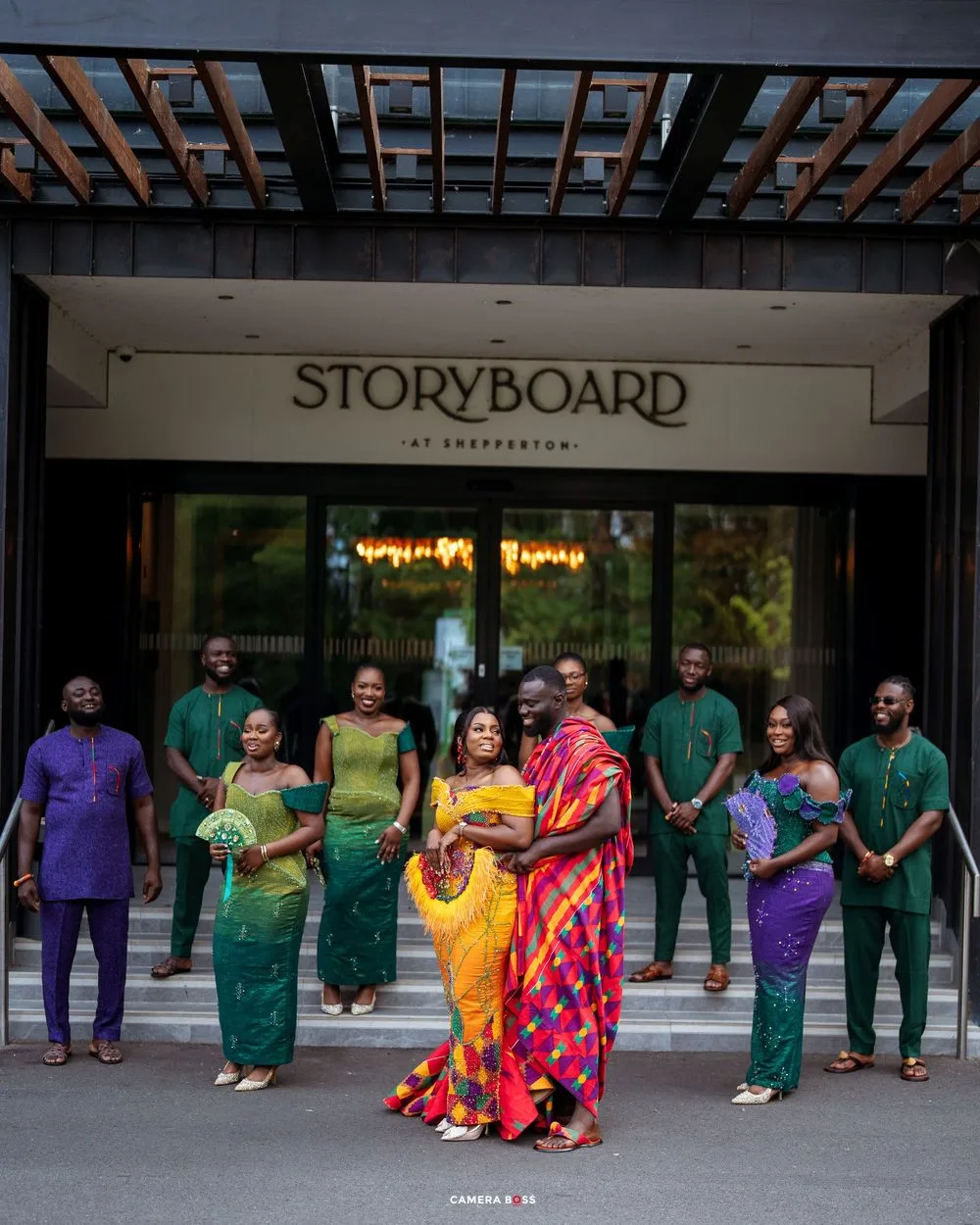
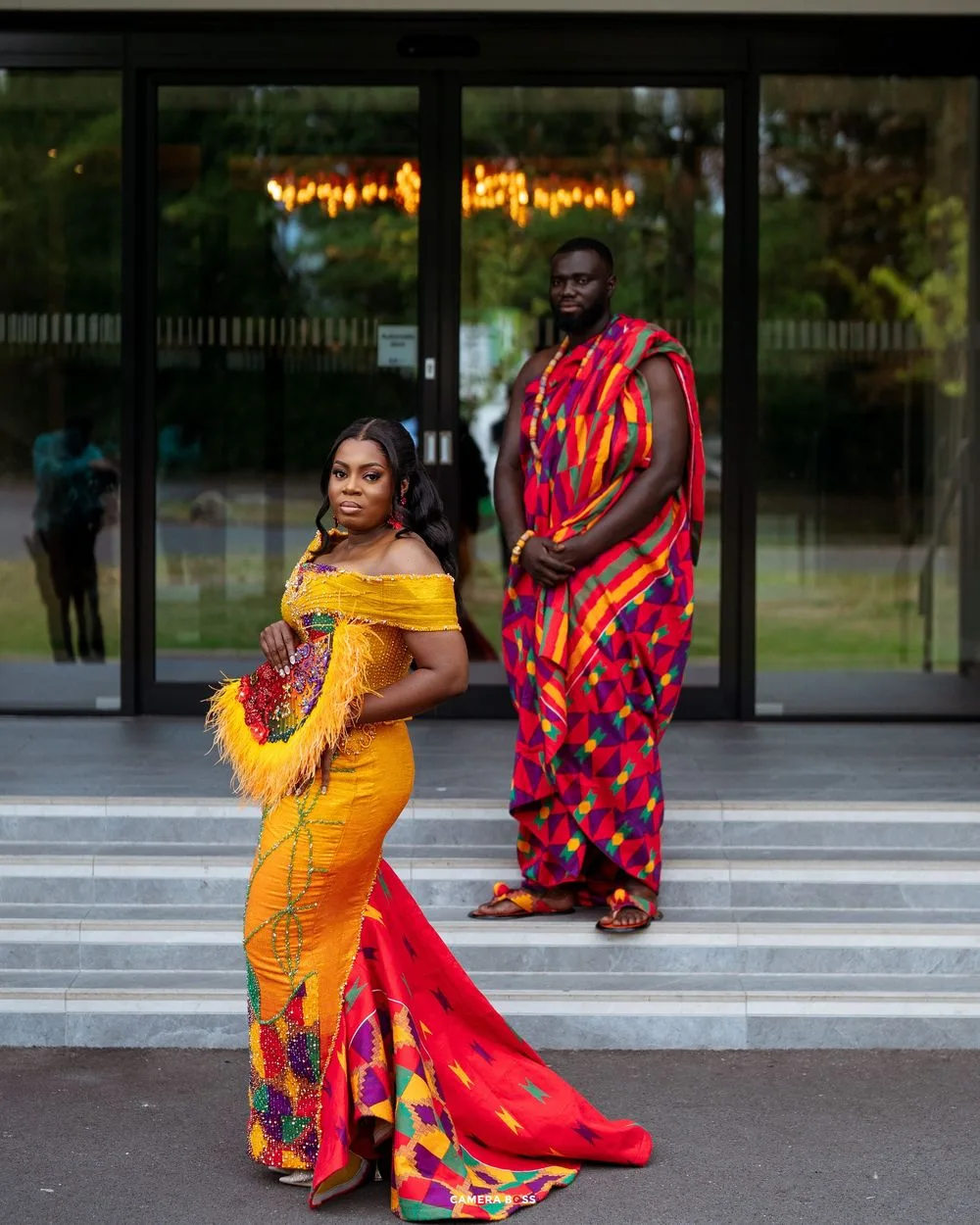
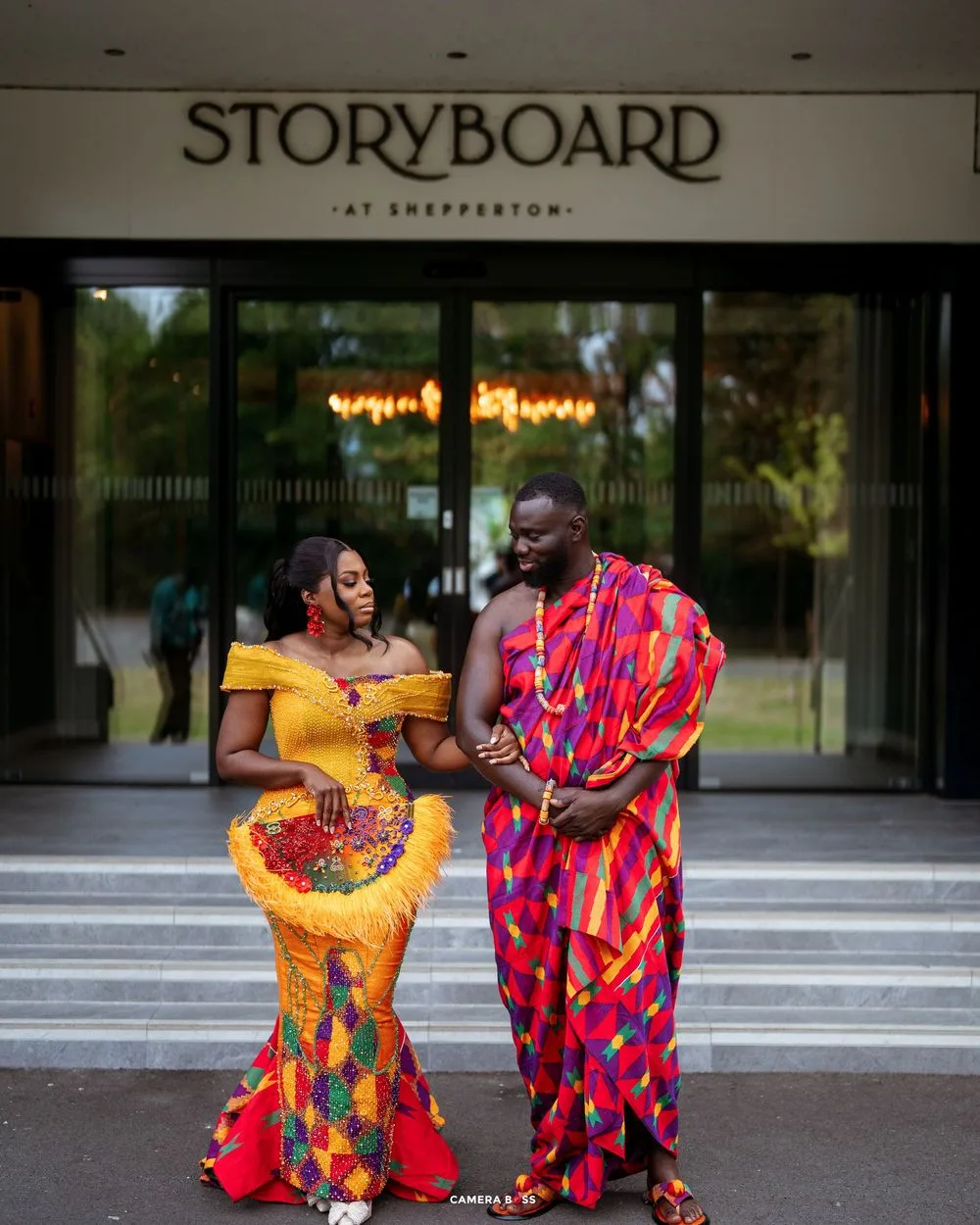
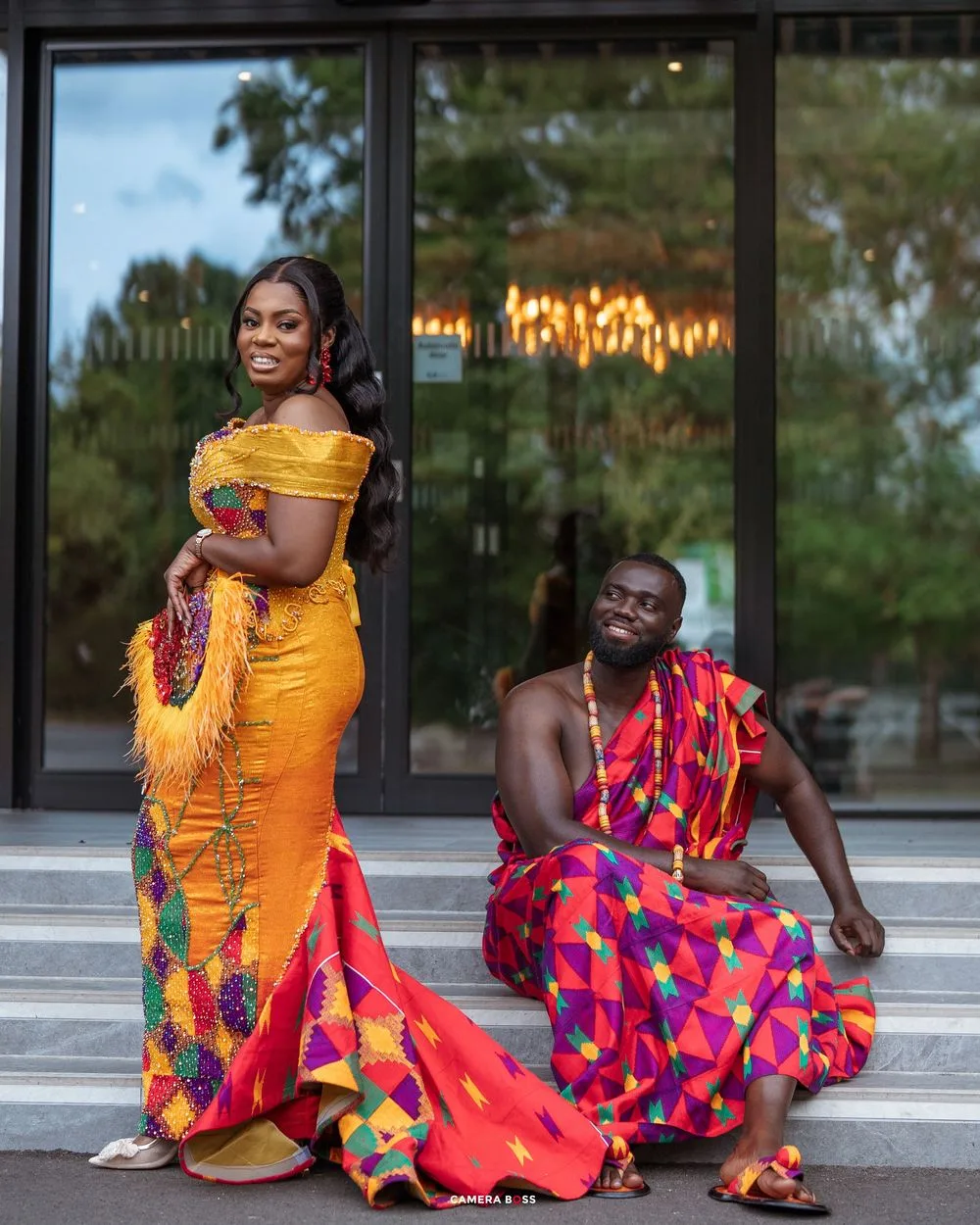
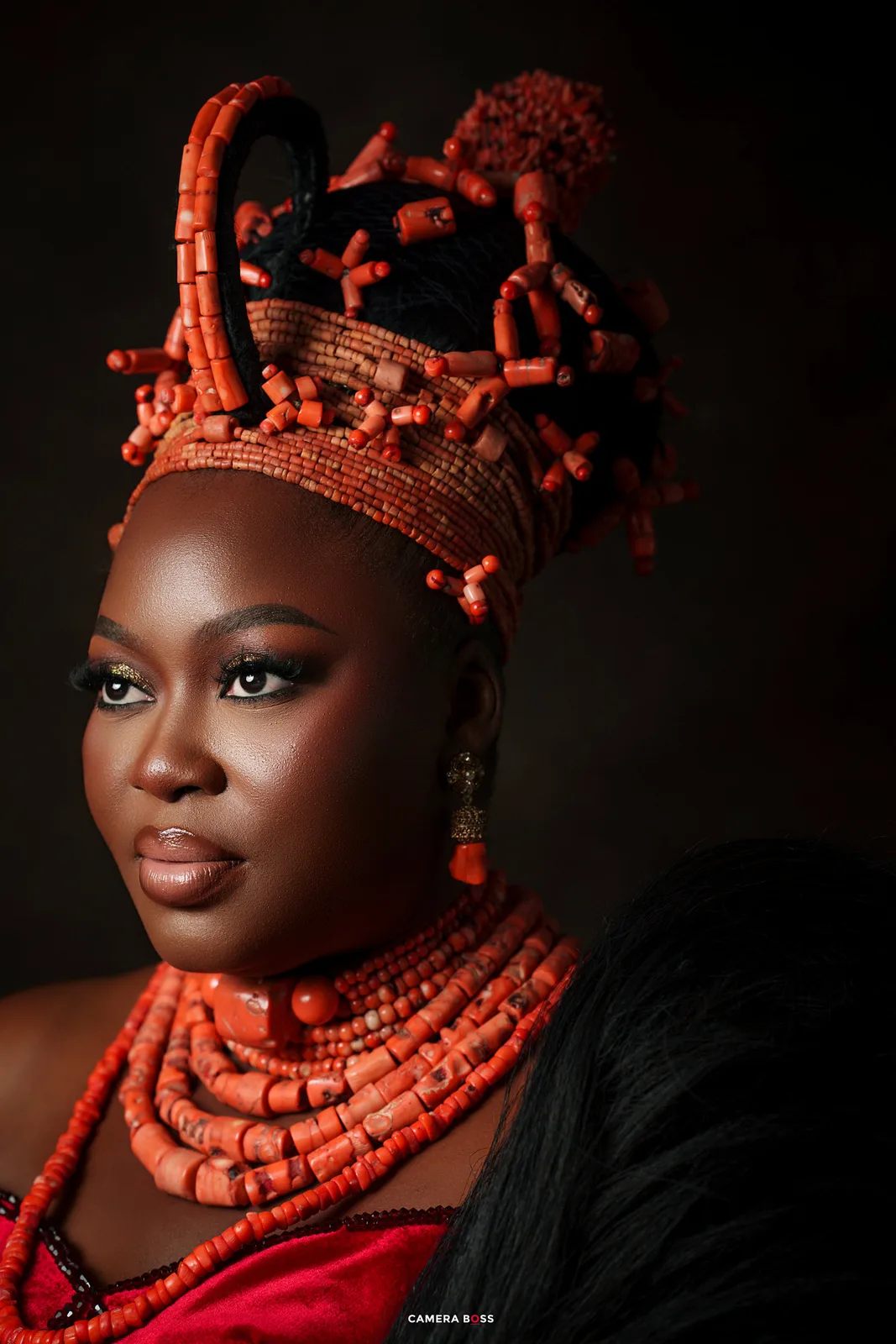
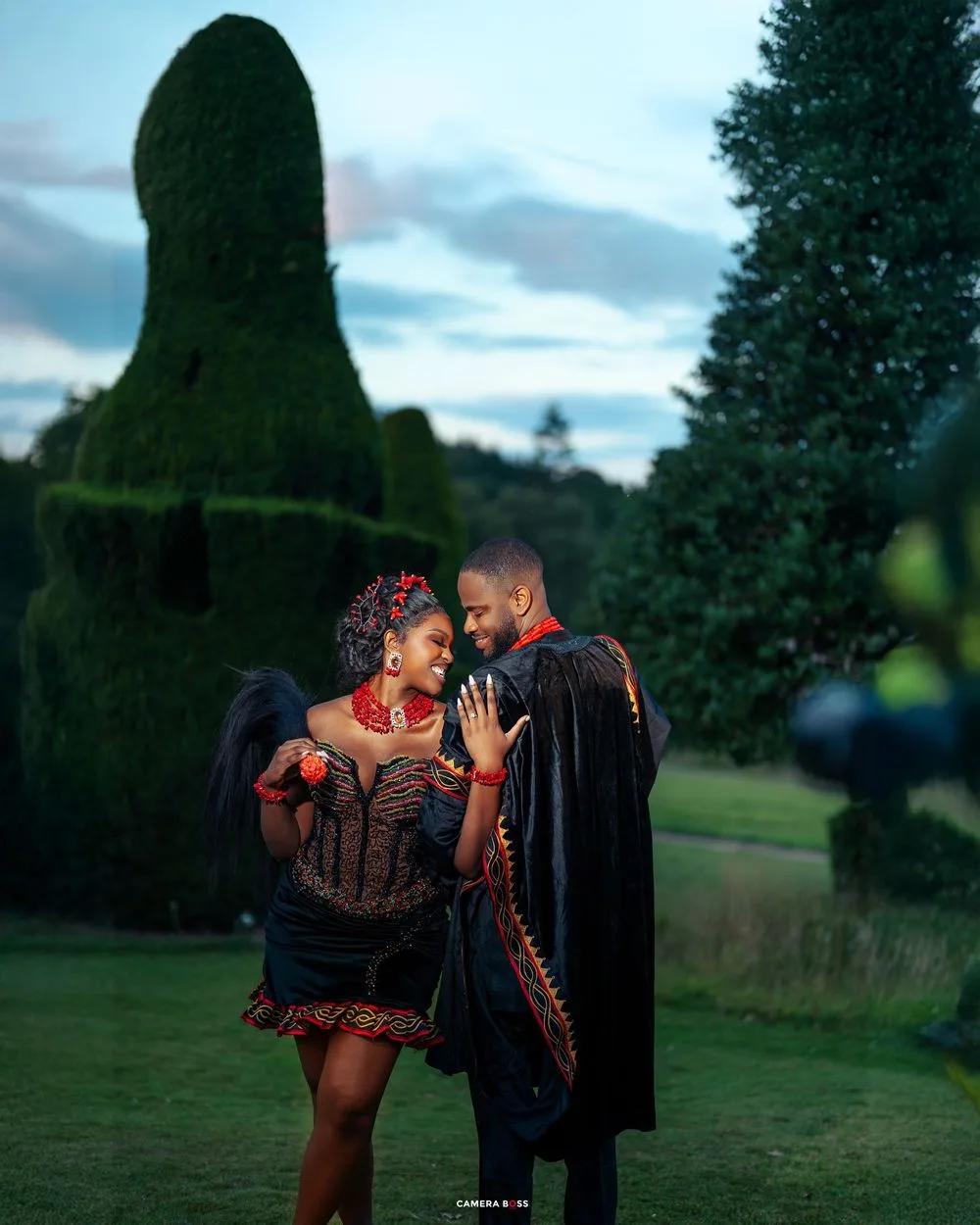
The richness of a Ghanaian wedding comes from its layers. There is the traditional ceremony, rooted in family, community, and ritual. There is the white wedding, which blends European form with African spirit. There may be a Knocking ceremony in the days or weeks before. And woven through all of it is the colour — kente cloth in its glorious geometric patterns, the bride in her elaborate headgear, the elders in flowing robes, the bridesmaids in a single coordinated aso-ebi, and the whole congregation moving as one when the drums start. You cannot photograph this casually. You have to be prepared.
What Is the Knocking Ceremony — and Why Does It Matter Photographically?
The Knocking ceremony, known as Kokooko or Knocking on the Door, is one of the most meaningful pre-wedding traditions in Ghanaian culture. The groom's family formally presents themselves at the bride's family home, bringing gifts, schnapps, and a letter of intent. It is an occasion full of formality, laughter, negotiation, and tenderness — and it happens quickly. Elders speak. Gifts are presented and inspected. The family deliberates.
For a photographer, the Knocking ceremony is a masterclass in anticipation. You cannot pose a moment that is already unfolding with its own momentum. You position yourself, you read the room, and you be ready. The look on the bride's mother's face when the letter is read, the quiet pride of the groom's father, the barely contained joy of the women ululating in the corner — these are the photographs that will mean the most in twenty years. At Cameraboss, this kind of documentary sensitivity is at the heart of everything we do.
Kente Cloth: Photographing One of the World's Most Beautiful Fabrics
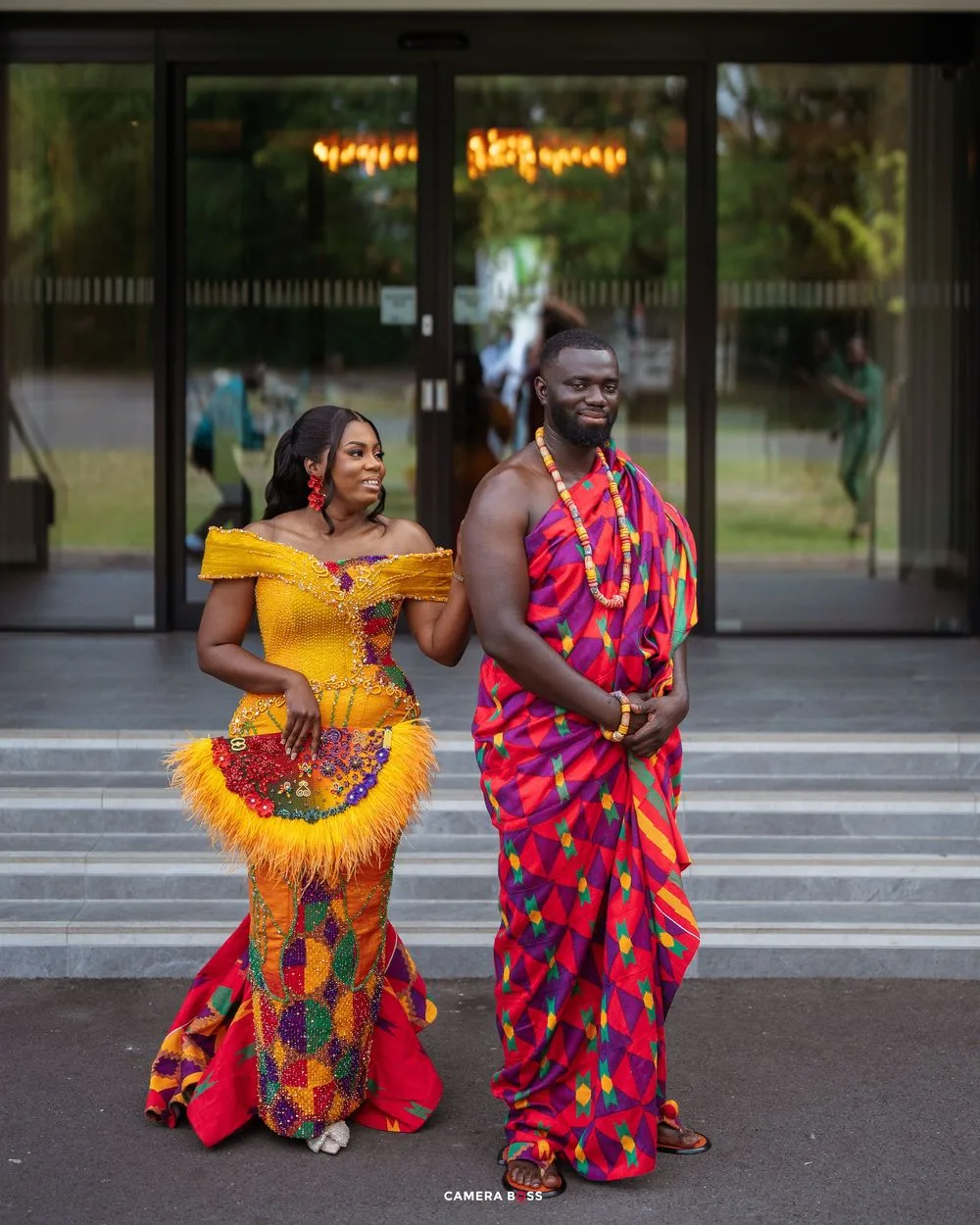
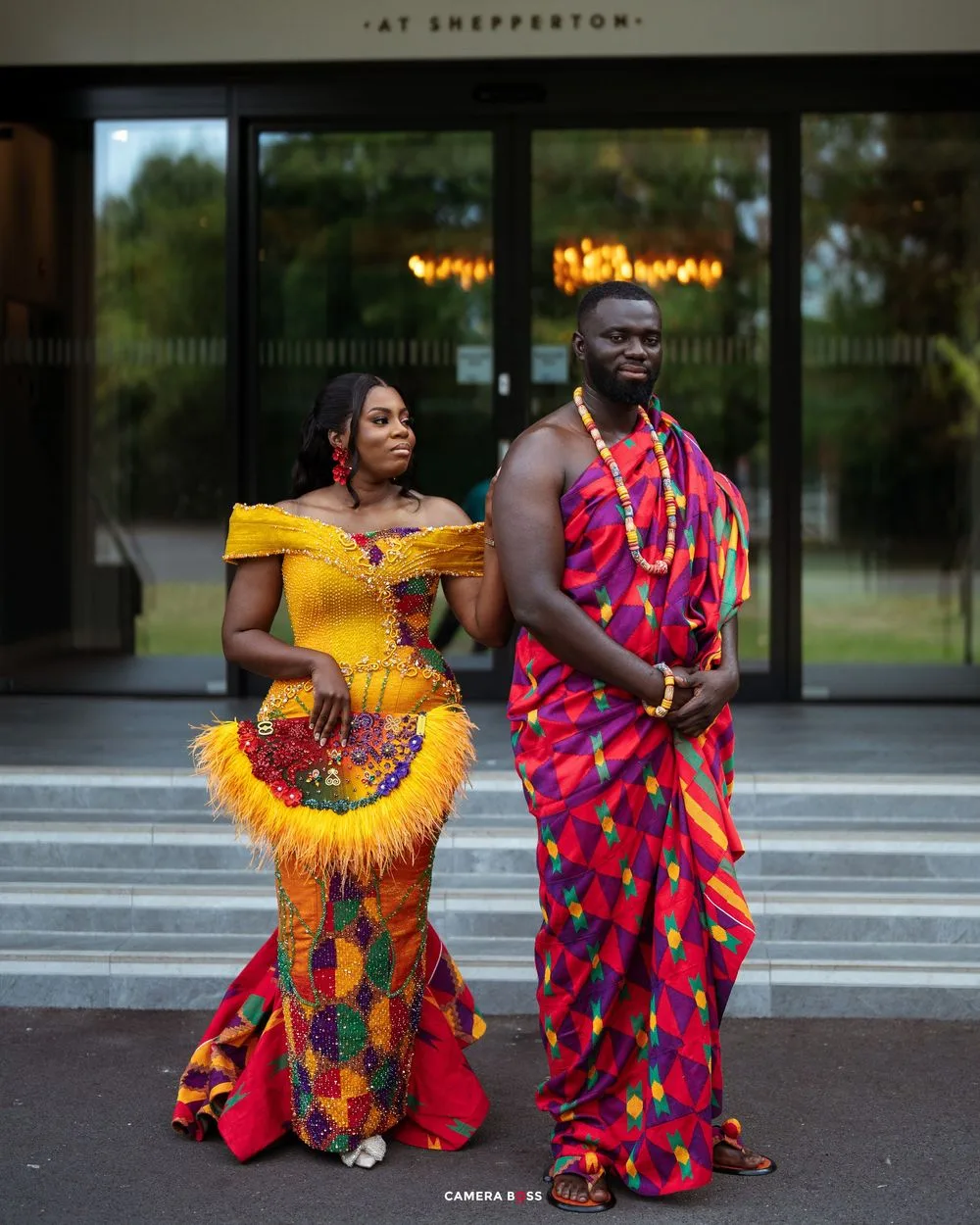
Kente — originally woven by the Ashanti and Ewe peoples of Ghana — is among the most visually striking textiles in the world. Its interlocking strips of gold, green, red, blue, and black carry meaning in every colour and pattern. When a Ghanaian couple choose their kente for the traditional ceremony, they are making a statement about who they are and where they come from.
For a photographer, kente demands two things: good light and patience. The fabric rewards natural light — the kind of warm, directional light you find late in the afternoon, or in a hall with tall windows. Flash can flatten the pattern; open shade brings it alive. We work hard to find and use the best available light at every venue, so the kente reads exactly as it deserves to on camera. And we always build time into the day for at least a few intentional portraits with the couple in their traditional attire — moments away from the crowd where we can do the fabric, the day, and the two of you full justice.
If you are planning your wedding and want to know how we structure the day to protect time for these moments, our wedding packages include a full pre-shoot consultation where we go through every element of your day together.
The Pace of a Ghanaian Wedding — and What That Means for Coverage
One of the things couples most frequently tell us they were worried about, before we worked together, was the pace. Ghanaian weddings — particularly those with both a traditional and a white wedding — move fast. Outfit changes happen in corners and side rooms. Families arrive in waves. The programme may shift. Speeches overflow. The dancing can begin before anyone has formally announced it.
This is not a problem. This is the beauty of it. But it does mean that your photographer cannot be a passive observer. At Cameraboss, we operate in what we call a documentary-first approach: we follow the story as it happens, moving through the space with intention, capturing the moments that are unfolding rather than constantly pulling people away from them. We also communicate with your MC or coordinator in advance so we know the rough shape of the day and can position ourselves where things are about to happen — not where they have just been.
For couples planning multi-day events, our guide to the Nigerian Wedding Weekend gives a good sense of how we approach multi-ceremony coverage — much of it applies directly to Ghanaian weddings too, particularly around juggling the traditional and white wedding formats on separate days.
What Makes a Photographer the Right Fit for a Ghanaian Wedding?
When you are choosing your photographer, cultural literacy should be near the top of your list — not as a nice-to-have, but as a genuine qualification. Here is what to look for and ask:
Have they photographed Ghanaian or West African weddings before? Ask to see the work, not just a mood board. Look for images that show the Knocking ceremony, the processions, the traditional attire, the drumming. If those moments are missing from a portfolio, the photographer may not have been in the right place when they happened.
Do they understand how the ceremonies flow? A photographer who does not know what the schnapps libation is, or who does not recognise the moment the dowry is formally accepted, will almost certainly miss it. Ask directly: how would you prepare for our traditional ceremony?
Can they handle dim reception lighting and fast-moving dance floors? Many Ghanaian receptions take place in hired halls that are not naturally lit. Your photographer needs to be technically skilled with artificial light without letting flash dominate the whole gallery.
Will they respect the rhythm of your family? The best wedding photography does not impose itself on the day. It follows, observes, and captures. Ask how they handle family elders, how they manage group photographs without taking over, and how they navigate cultural protocols they may not be personally familiar with.
At Cameraboss, John brings both professional training and lived experience of the African diaspora to every wedding he shoots. That combination — technical skill plus genuine cultural understanding — is what ensures nothing gets missed. You can read more about his approach on the About page, and see the full range of areas we cover at Areas We Cover.
Ghanaian Weddings Across the UK — We Come to You
Ghanaian communities are woven into the fabric of cities across the whole of the United Kingdom. Cameraboss is based between Leicester and London and available to travel anywhere in the UK for your wedding — London, Birmingham, Manchester, Leeds, Bristol, Sheffield, Newcastle, Nottingham, Derby, Liverpool and beyond. We have photographed celebrations across England and we hold dual roots in the UK and Nigeria — which means we understand the diasporic wedding from the inside, not just the outside.
If you want to see how we approach African weddings more broadly, take a look at our portfolio and our wedding films, which give a sense of the cinematic quality we bring to every celebration.
Frequently Asked Questions: Ghanaian Wedding Photography UK
Do you photograph the Knocking ceremony as well as the main wedding?
Yes, absolutely — and we would encourage you to have photography at the Knocking ceremony. It is a deeply meaningful occasion and one that is often under-documented. Speak to us about adding it to your coverage; we offer flexible packages that can include pre-wedding ceremonies.
We are having both a traditional Ghanaian ceremony and a white wedding. Can you cover both?
Yes. Multi-ceremony coverage is something we are experienced in and genuinely love. We will work with you to plan both days so nothing is missed. Our wedding packages can be tailored to include full coverage of a two-day or weekend event.
How do you handle outfit changes during a Ghanaian reception?
We stay close to the action and follow you through each change rather than losing time waiting in the hall. We will be there for the big reveal of each look, and we make sure to capture both the detail — the headwear, the fabric, the jewellery — and the reaction of your guests seeing you.
We are a mixed-heritage couple — one partner is Ghanaian, one is British. Can you handle a blended wedding?
This is exactly the kind of wedding we love. Blended cultural weddings are joyful, layered, and full of contrast that makes for extraordinary photographs. We have experience with Anglo-African celebrations and we approach every wedding with the same cultural respect and storytelling instinct, whatever the mix.
What should we look for in a Ghanaian wedding photographer?
Cultural knowledge, documentary skill, and a genuine passion for the community. See the full guide on how to choose a wedding photographer as an African couple in the UK — much of it applies directly to Ghanaian weddings.
Ready to Talk About Your Ghanaian Wedding?
We would love to hear about your day — the traditions you are planning, the venues you are considering, and the moments that matter most to you. Get in touch and let us make sure nothing gets missed.