Choosing the best camera for wedding photography means thinking about the whole day. At 6pm in a dark reception room, autofocus and a workable lighting setup matter more than a headline specification. A wedding bag in 2026 needs to cope with that first dance as well as the brighter, slower parts of the day.
What a wedding day asks of a camera
A wedding can mean twelve hours of shooting, with no rehearsal or second take and a hundred people around you. Choose equipment you can rely on and operate quickly through a long day.
Full-day coverage can produce between 3,000 and 5,000 raw frames. Transferring them, making two backups, culling and grading can take 20 to 30 hours after a single Saturday. Slow card writing, short battery life and files that need extensive correction all add to that workload. Across a busy month, the extra desk time can amount to a working week.
The lighting changes throughout the day: bridal prep beside a north-facing window might lead into a ceremony under tungsten and daylight. Portraits may be under flat British cloud, while the reception has uplighters and a disco ball. In the North of England in December, the sun is gone before 4pm, so plan for a substantial part of the coverage after dark.
My priorities are two card slots recording simultaneously, eye autofocus that works through a crowd, usable files at ISO 6400 and above, a silent shutter for vows and weather sealing for Newcastle drizzle. Resolution, burst rate and video codecs depend more on the work you want to do. The linked wedding camera guide is cited for a mirrorless adoption figure of around 72% among working wedding photographers, with dual slots the most common reason given.
Camera bodies to consider in 2026
These options cover different priorities, from smaller files and comfortable handling to the extra resolution needed for editorial work.
- Sony A7 IV and A7 V: a 33MP sensor leaves room to crop documentary frames for an album spread. Eye autofocus is a strength, and files can hold up at ISO 6400, with scope for recovery above it.
- Canon EOS R6 Mark II: handling is a strength here. Its lower resolution than the Sony means smaller files and quicker culling; colour straight from the camera can also need less correction.
- Nikon Z6 III: strong low-light performance and a comfortable grip are useful over a ten-hour day. Its colour rendering can handle warm reception lighting with less magenta drift.
- Sony A7R V or Canon EOS R5 Mark II: these high-resolution bodies suit editorial and fine-art work. Across 4,000 frames, though, the file sizes create a substantial storage and editing load. I would not choose either as a first wedding camera.
All four options can do the job. Knowing where to stand and how to use the camera makes a larger difference than the gap between these bodies. I would buy a second body before upgrading the first: two Canon R6 Mark IIs give you a backup that a single R5 Mark II cannot provide.
The Cameraboss gear page lists the kit I carry and is updated when bodies change.
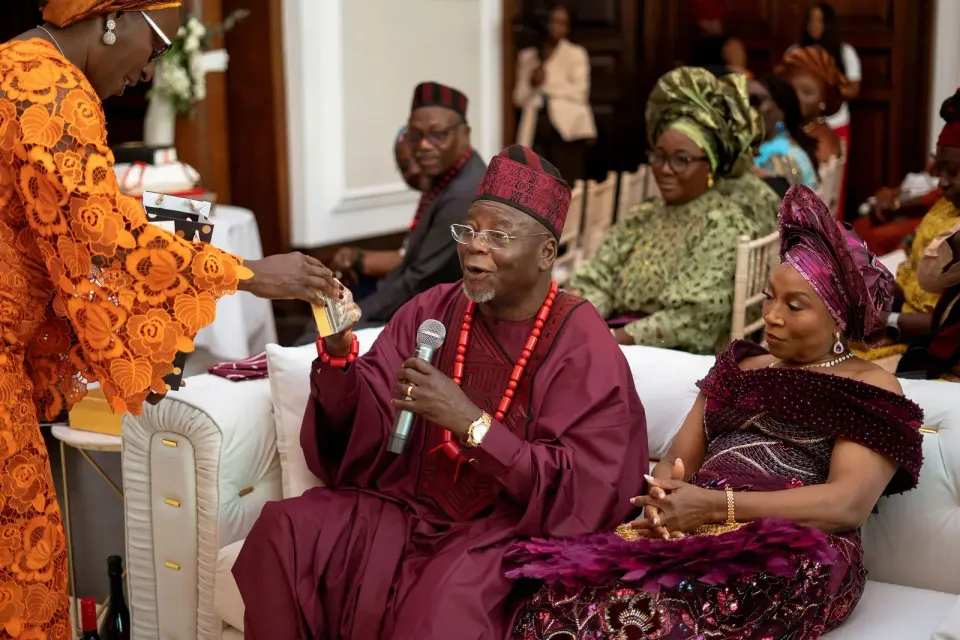
Low light and flash
Test a camera in reception conditions if you can. The twenty minutes after the lights go down can reveal weaknesses that are easy to miss in a well-lit shop, and those weaknesses show up in the gallery.
A modern full-frame sensor can produce printable files at ISO 6400 with careful exposure. ISO 12800 may still work for a black-and-white dance floor frame; above that, noise becomes part of the look you need to assess. If holding 1/200s pushes you past ISO 12800, adding light may be more useful than replacing the body.
I include flash in the equipment budget. One off-camera speedlight behind the dance floor can give a dim frame shape and depth for a fraction of a body upgrade. Low ceilings can work well for bounced flash. An industrial space with a 30-foot exposed roof gives you far less to bounce from, so plan to carry a modifier.
An electronic shutter lets you photograph vows without an audible click. It can also produce rolling shutter distortion with fast movement and banding under some LED lights. I switch back to mechanical shutter when the confetti starts. The Cameraboss photography classes cover the practical side of these choices.
Checking skin tones
Include skin tones in your camera tests, particularly if you photograph couples with a range of complexions.
Default colour profiles can leave darker skin looking muddy or cool, especially once you pull back the highlights. At a Nigerian or South Asian wedding, check whether the files retain the warmth and detail of the people you are photographing. A preset needs that scrutiny; otherwise a problem may only become clear when the couple says the photographs do not look like them.
I expose with skin in mind, which can mean metering a stop or so differently from the camera's suggestion. A colour reference at the start of the day gives the set a consistent anchor. During grading, I work on skin separately and keep warmth in the shadows; a global preset can turn them blue.
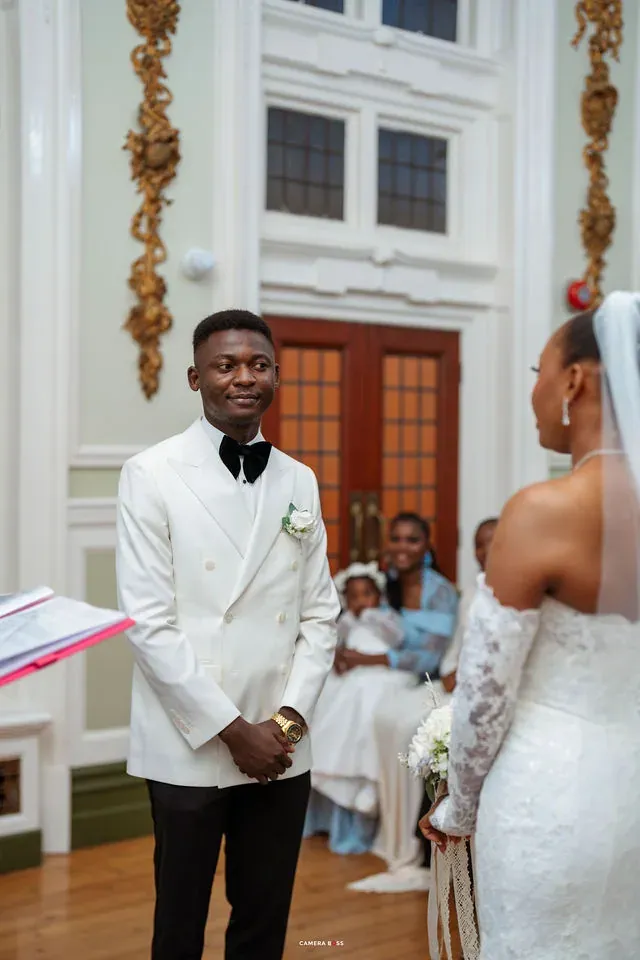
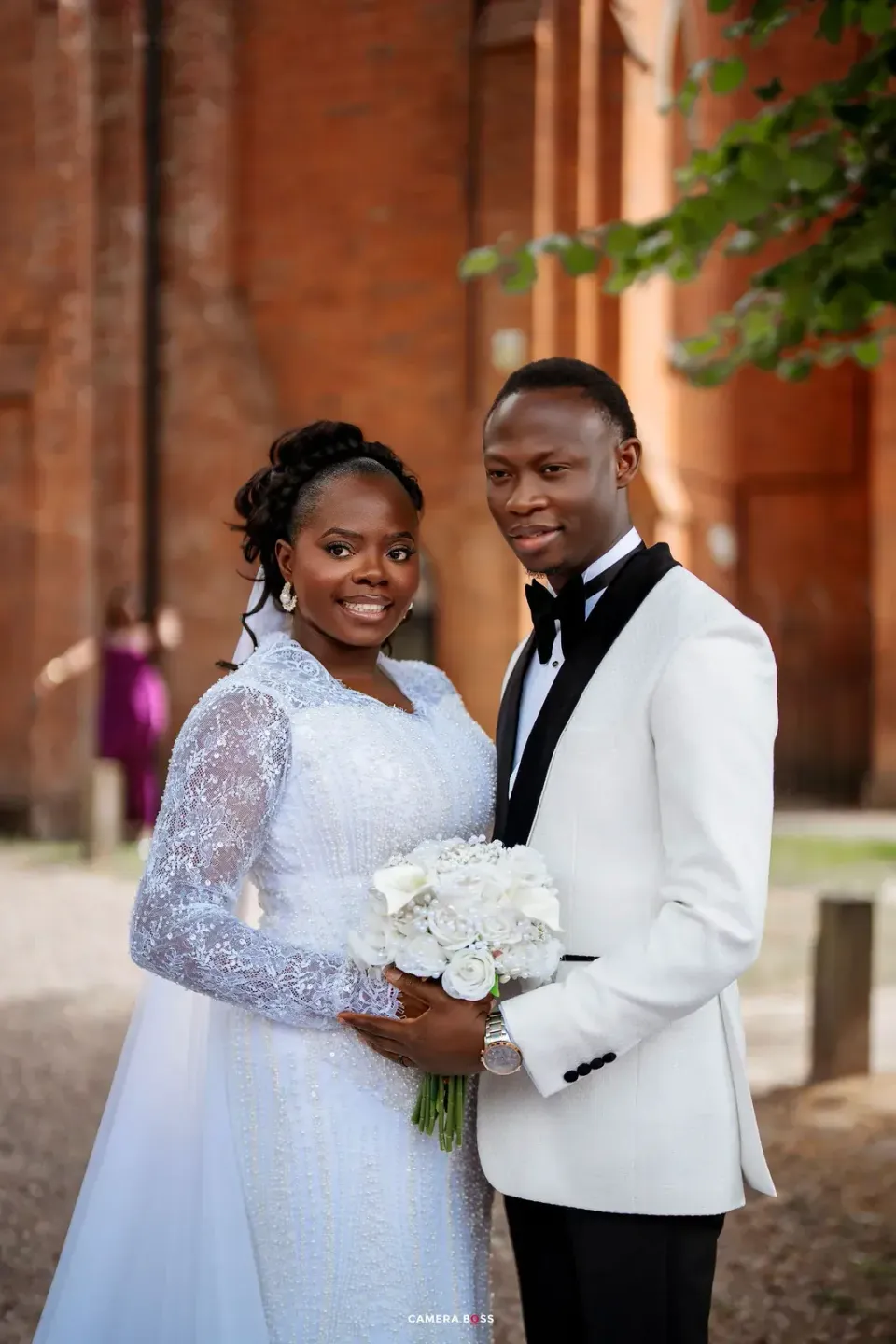
As a British-Nigerian photographer working across Yoruba, Nigerian, Asian and multicultural ceremonies, I deal with this through most of my calendar. When comparing photographers, look closely at how they expose and edit people with skin like yours. You can see the results in the Cameraboss galleries and the Aworan traditional ceremony work.
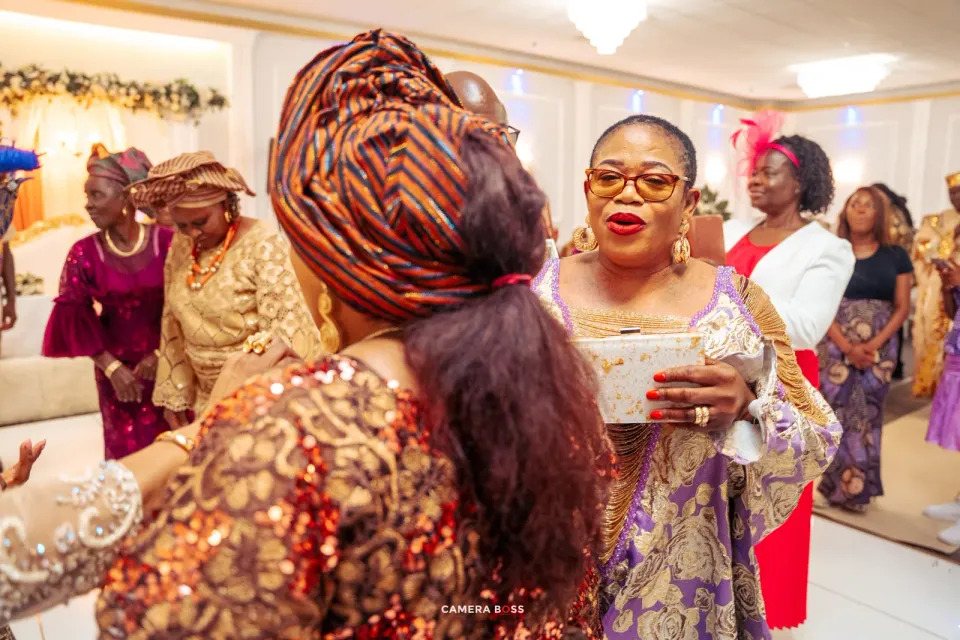
Lenses, cards and backup equipment
With a fixed budget, my order would be a second body, lenses, lighting and then an upgraded body. That puts backup coverage and the tools you use throughout the day first.
A two-lens setup can cover 90% of a wedding: a 35mm on one body for wider documentary frames, and an 85mm on the other for portraits and ceremony shots from the back of the room. A 24-70mm f/2.8 suits a smaller bag and fewer lens changes. A 70-200mm f/2.8 helps at large ceremonies where you cannot get close. Further lenses depend on your preferred approach.
Build a backup routine around the kit:
- Record the same files to two cards in each body. Even if a card fails only once in several hundred weddings, the moments it contains cannot be reshot.
- Carry at least six batteries for a ten-hour day and charge them the night before.
- Copy the files to two separate drives before you sleep on the wedding night.
- Keep a second photographer or a second body available throughout the day so you can continue working after a camera failure.
Couples are paying for this preparation as part of a professional service. The Cameraboss pricing page explains how the equipment and working approach fit into coverage.
Questions couples can ask about equipment
If you are choosing a photographer, the camera model gives you only part of the picture. Ask how they use it and what they have ready if it fails.
Three questions are useful: what happens if a camera fails halfway through the day, how is a dark reception lit, and can you see a complete wedding gallery? A portfolio might contain the twenty strongest frames from years of work. A full gallery lets you assess the ceremony, portraits and evening together, including the parts photographed in difficult light.
For budget context, Bridebook’s 2026 report puts UK wedding photography at an average of around £1,484. Full-day coverage more commonly falls between £1,400 and £1,800, with costs up roughly 11% year on year. London is several hundred pounds higher; the North East is around 8% below the national average. A lower quote may cover fewer hours or omit a second shooter. Ask about those details and the backup equipment before comparing prices.
At Cameraboss I use two full-frame bodies, dual cards, off-camera lighting and a colour workflow for the couples I photograph. I was named Creative Photographer of the Year at the Creative Industry Awards 2024. When assessing my work, look at the reception photographs as closely as the daylight portraits.
Common questions
Q: Do I need a full-frame camera to shoot weddings?A: A full-frame camera can make a dark reception easier to photograph. Modern APS-C bodies work well in daylight, but the difference becomes more apparent past ISO 6400 in a dim room.
Q: Is a second camera body really necessary?A: I would make it the next purchase after the first body. It reduces lens changes during a ceremony and gives you a way to keep shooting if a camera fails.
Q: How many photos should a full-day wedding produce?A: A full day may produce 3,000 to 5,000 raw frames, edited down to roughly 400 to 800 delivered images. Coverage length and the photographer's selection matter. If the promised total is much higher, ask how thoroughly each frame will be edited.
Q: Does the camera brand affect how skin tones look?A: Default colour profiles differ, and some handle deeper skin tones better straight from the camera. Deliberate exposure and grading have a greater effect than applying one preset across the whole gallery.
Q: What should I ask a wedding photographer about their equipment?A: Ask whether they record to two memory cards, carry a backup body and have a plan for a dark reception. Those three answers help you judge how reliably they can cover the day.
Talk to us about your wedding
If you are planning a wedding in London, Leicester or elsewhere in the UK, I would like to hear about the ceremony and the traditions involved, as well as the photographs you want from the day.