Tuscany is a large region to put on a wedding invitation. A villa near Florence, a castle in Chianti and an estate in the Valdarno can produce very different weekends. Before choosing the view, decide how far you want guests to travel after they arrive and whether you want everyone staying together.
Planning photographs in the UK as well as Tuscany? Explore our UK photography locations before enquiring about both dates.
For photographs, my preference would be a venue with enough variety to keep the wedding day on the estate. A courtyard, one stretch of garden and a good indoor room can give you more usable time than an afternoon driving between famous views. CameraBoss is based in Leicester and London, with UK and destination coverage available for enquiry. The Italy destination wedding photography page is the starting point for discussing a Tuscan celebration.
Decide which part of Tuscany fits your guests
The official Visit Tuscany wedding guide separates the region into areas including Florence, Siena, Chianti and Valdarno. Use that geography when comparing venues. The properties below are alternatives in different parts of the region, not stops on a single wedding-day itinerary.
Ask your planner to compare airport and railway arrivals against the actual accommodation addresses. A country estate can make the wedding day easier while requiring more organisation for the evening before. Establish who provides meals, how non-driving guests reach shops or restaurants and where people stay if the venue's bedrooms do not cover the full guest list.
Five Tuscan wedding venues with different strengths
1. Villa Medicea di Lilliano, near Florence
Villa Medicea di Lilliano (Google Maps) officially hosts destination weddings and elopements at its wine estate in Grassina. The property's own information identifies vineyards, olive groves and several accommodation options. This is a useful prospect for a country setting without making the wedding concept depend on a remote hilltop.
Discuss how the villa's event areas connect with the accommodation you would actually book. Being on the same estate does not prove that every room is a short, step-free walk from the ceremony. For photographs, agree whether vineyard access is included and whether farm activity affects the proposed route. Request a current indoor layout for the whole celebration, including drinks while the dinner space is prepared. If you want city portraits as well, I would schedule them separately. Leaving a countryside reception for an ambitious urban detour is an expensive use of time with your guests.
2. Borgo Stomennano, Monteriggioni
Borgo Stomennano (Google Maps) gives unusually practical detail about its wedding arrangements. Its facilities page proposes an Italian-garden ceremony, terrace drinks and dinner outdoors. For rain it names the Lemon Trees House for the ceremony, the ballroom for drinks and the Granary for dinner and dancing.
Those named alternatives make a useful conversation possible. Ask to see them arranged for your guest count, including the route between buildings if rain is heavy. The estate also describes a transition from poolside dancing to the Granary; confirm the current music agreement in your contract instead of treating a website description as an unrestricted party licence. Photographically, a wedding spread through the hamlet could have an appealing sense of movement. Keep that movement manageable for guests who need seats, accessible toilets or a shorter walking route. Ask where the caterer and band load in so their work does not occupy your portrait setting.
3. Castello di Meleto, Gaiole in Chianti
Castello di Meleto (Google Maps) publishes a wedding offer that includes the Herb Garden, castle interiors and Stable. It specifically identifies a ballroom for bad weather and several places for symbolic ceremonies. Its chapel description uses the term symbolic religious wedding; couples should clarify the exact form of service with their celebrant and the venue.
The castle would suit a couple who want stone architecture to be a substantial part of the photographs. Ask which interior rooms are available for portraits once the event is set up. A dramatic room can become difficult to photograph if it is also the storage area for spare chairs and instrument cases. Check stairs, evening lighting and the surface between the garden and dinner space. If you like the vineyards, agree a safe, permitted route with the estate. Working agricultural land needs the owner's instructions even when it appears in the wedding brochure.
4. Villa Catignano, near Siena
Villa Catignano (Google Maps) explicitly welcomes wedding dinners and parties. Its official page describes the Tinaia Hall, Grey Hall, terraces, courtyard and Italian garden, and distinguishes Anglican or Protestant services in its private chapel from symbolic ceremonies or blessings in the garden.
This gives you several possible photographic settings within one property. I would ask the team to nominate a coherent route that works in wedding clothes, including a shaded family-photo position. Clarify how the villa and fattoria accommodation would be allocated and who occupies any spaces outside your hire. For the indoor plan, ask whether everyone can share the same room at dinner or whether the layout uses connecting spaces. That affects speeches, sightlines and the photographs of guests reacting together. If the chapel is important, discuss its actual seating, access and service requirements before deciding that it is the ceremony solution.
5. Il Borro, Valdarno
Il Borro (Google Maps) is an estate with accommodation and an official events programme that expressly includes weddings. Its published settings include an Italian garden, a terrace near the main residence and an amphitheatre. This is a different geographical proposition from a villa close to Florence or a Chianti castle.
A residential wedding here could keep several parts of the weekend within the estate. Get a written list of the spaces and accommodation included, and establish whether any areas remain in normal hotel use. Ask how guests move between their rooms and each event location; the word estate can conceal a longer walk than a guest expects. For photography, reserve a little time within the inhabited parts of the property as well as the open views. Request the indoor or covered alternative for every outdoor event, including any welcome dinner. Confirm how the backup works for guests with reduced mobility.
Plan around the agricultural season
A Tuscan wedding photograph can suggest that the countryside stays the same all summer. In practice, what grows, what has been cut and where work is happening can change the view. If vineyards are central to your choice, ask the estate what your month normally looks like and whether access conflicts with its work. Never make a particular field condition part of the promise to yourselves.
Spring can give a greener setting, with rain still part of the plan. Summer requires shade, drinking water and preparation spaces that remain comfortable while hair and make-up are under way. Early autumn may appeal for vineyard colour and outdoor dinners, but the usable daylight is shorter and agricultural activity can affect access. Ask about the venue's seasonal operating pattern before settling on an off-season weekend.
Wind matters as well as rain. Use weighted, venue-approved arrangements for ceremony papers and decorations. Have the photographer assess where speeches and family portraits can happen if the exposed viewpoint is uncomfortable. Fire, candle and outdoor cooking decisions belong with the venue and competent suppliers; avoid choosing decorations that depend on a permission you have yet to obtain.
A realistic countryside photography plan
Keep preparations near the ceremony whenever possible. If both partners are getting ready in separate buildings, measure the transfer in the photographer's schedule rather than assuming they can cover both simultaneously. Choose a room with usable window light and enough space after luggage, clothing and other suppliers are in place.
After the ceremony, take essential group photographs while everyone is present, then allow guests to enjoy the reception. A short portrait walk within the estate can happen while drinks are served. If the view improves later, a second brief session between agreed dinner courses is easier to manage when the caterer knows in advance. It should not interrupt a hot meal being carried to the table.
For a celebration in a cooler month, move the ceremony earlier if daylight portraits matter. The photographer can check the site's orientation, buildings and trees against the date. Published sunset alone does not tell you when a courtyard loses light.
Agree the permissions and the supplier journey
Private venue hire should specify commissioned photography access and any restrictions on equipment, rooms or supplier movement. Portraits at a separate villa require a separate agreement. Ordinary visitor entry and a private wedding booking have different terms; where the photography policy is unpublished, ask the owner directly.
Confirm civil formalities with the relevant local authority and discuss religious requirements with the appropriate institution. A garden ceremony advertised as symbolic should be planned as a symbolic celebration. A planner can help coordinate the questions, while the authority provides the answer about your circumstances.
For UK photography coverage, agree arrival time before the wedding, travel disruption arrangements and the return journey after late coverage. The destination wedding service and pricing information support the first discussion. Share your estate choice and provisional schedule through CameraBoss enquiries. The client area is relevant when discussing gallery access for guests back in the UK, while the blog offers further photography planning reading.
FAQ
Which Tuscan venue is best if we want an indoor backup?
Start by inspecting the named spaces at Stomennano, Meleto and Catignano, then compare their real layouts for your numbers. A published indoor option is useful evidence, but capacity, access and the changeover plan still need written confirmation.
Can we use a vineyard for portraits whenever we like?
Ask the estate to approve the route and timing. Vineyards are working land, and wedding hire does not establish unrestricted access. Agree another setting within the property if weather or agricultural work changes the plan.
Should all our guests stay at the venue?
It can simplify the day if the accommodation suits them and the allocation works. Compare bedroom access, meals and room arrangements, then provide confirmed transport for anyone staying elsewhere, including a clear late return.
Do we need a separate civil ceremony?
That depends on the form of ceremony, venue and your circumstances. Ask the relevant local authority directly about formalities and the authorised location. Keep a symbolic estate celebration distinct from the legally effective ceremony.
Photographs from our portfolio
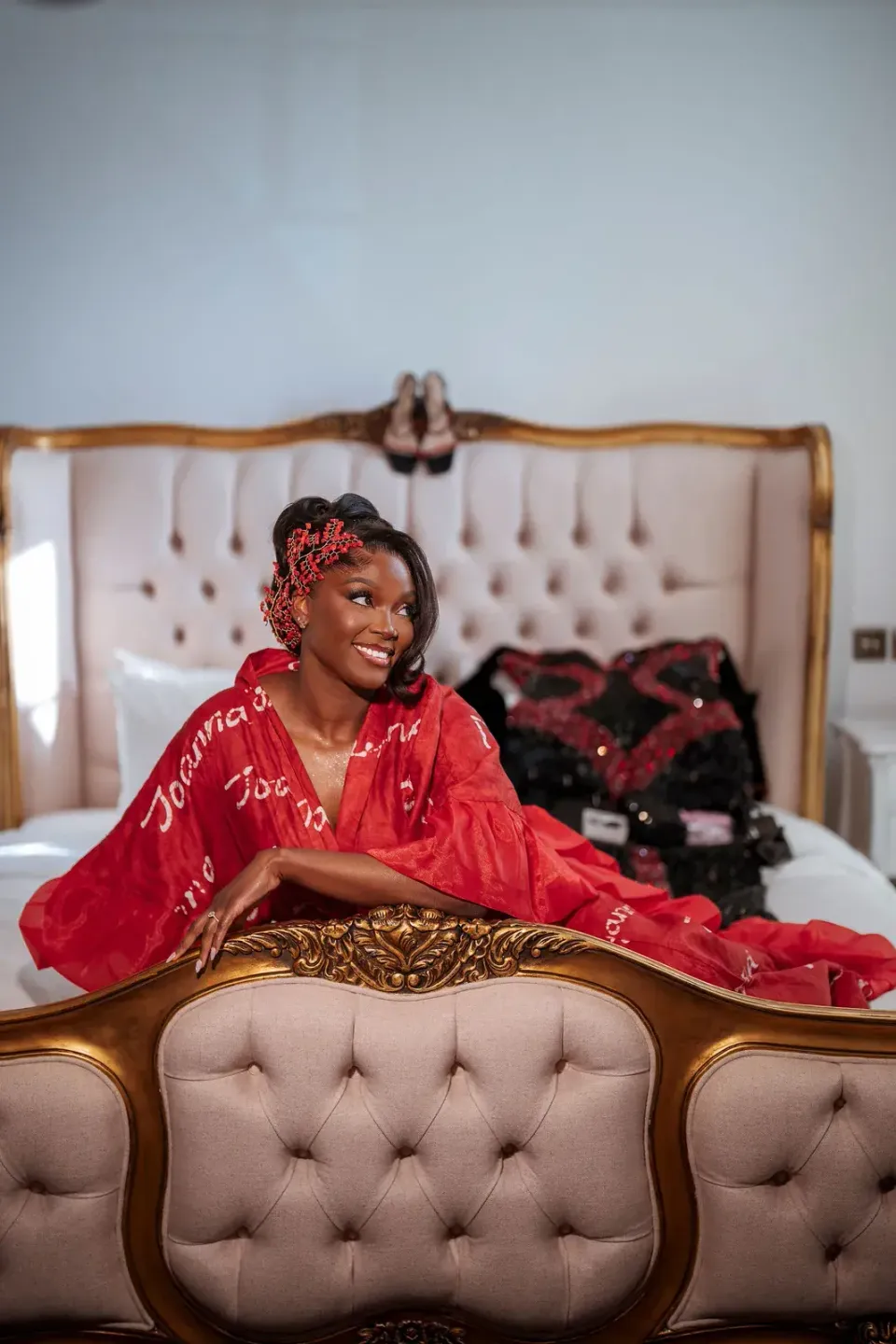
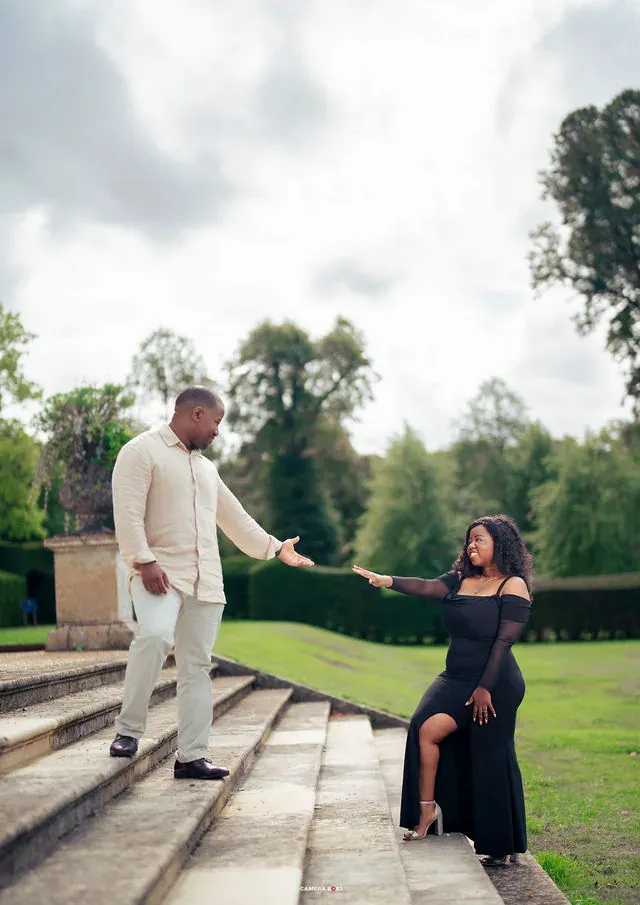
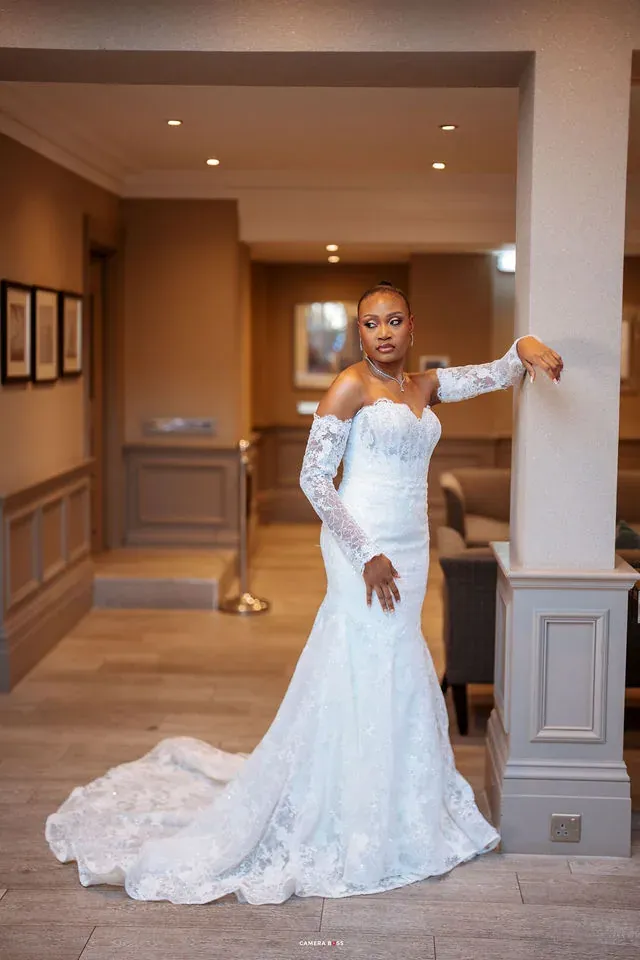
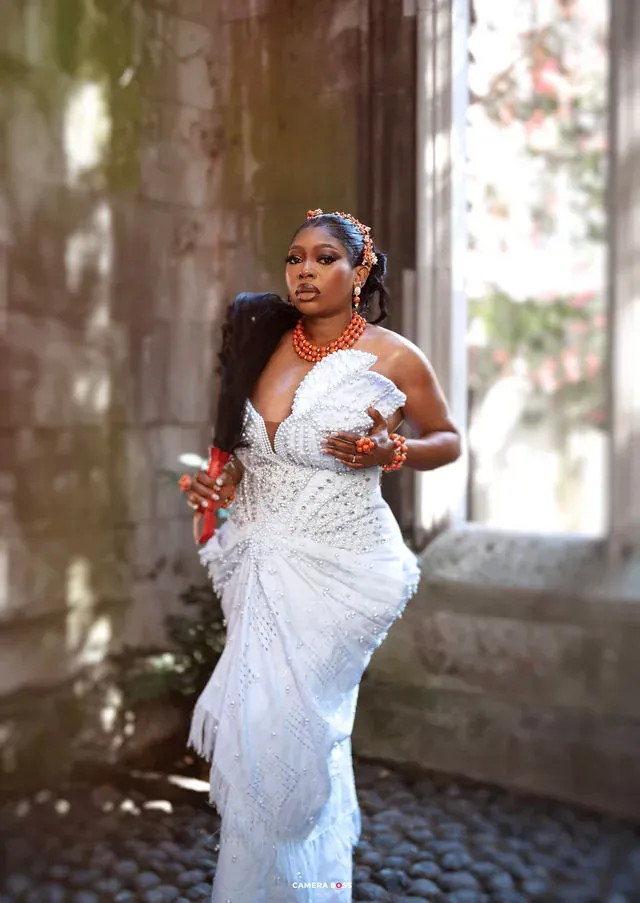
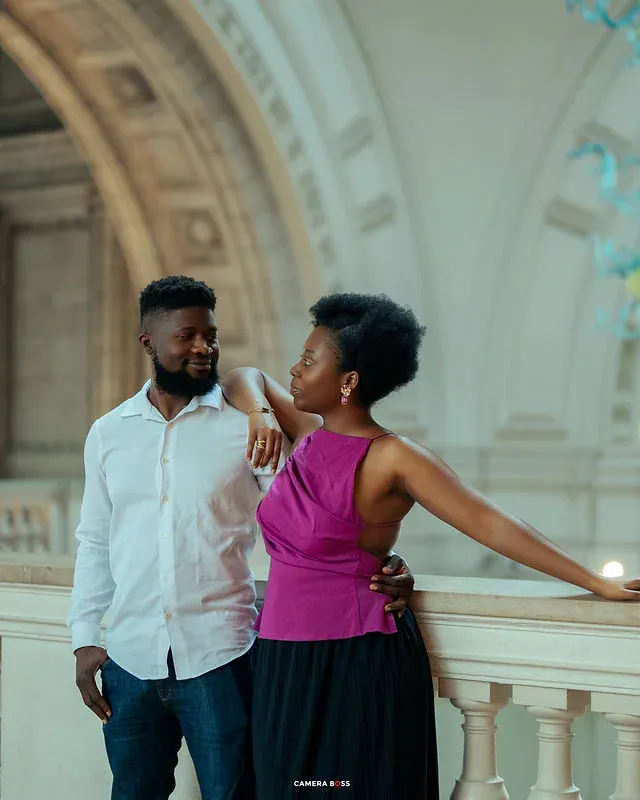
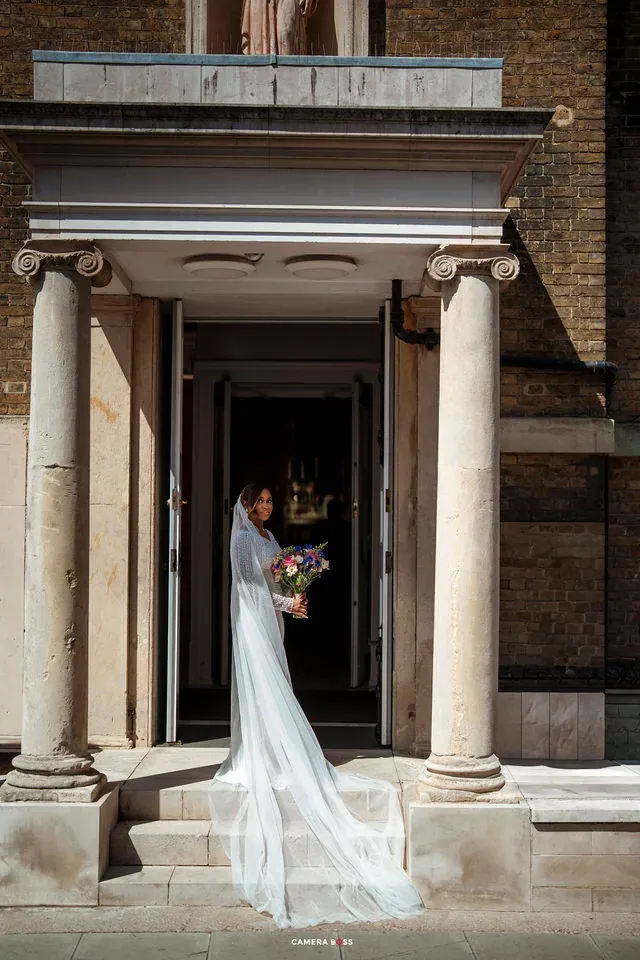
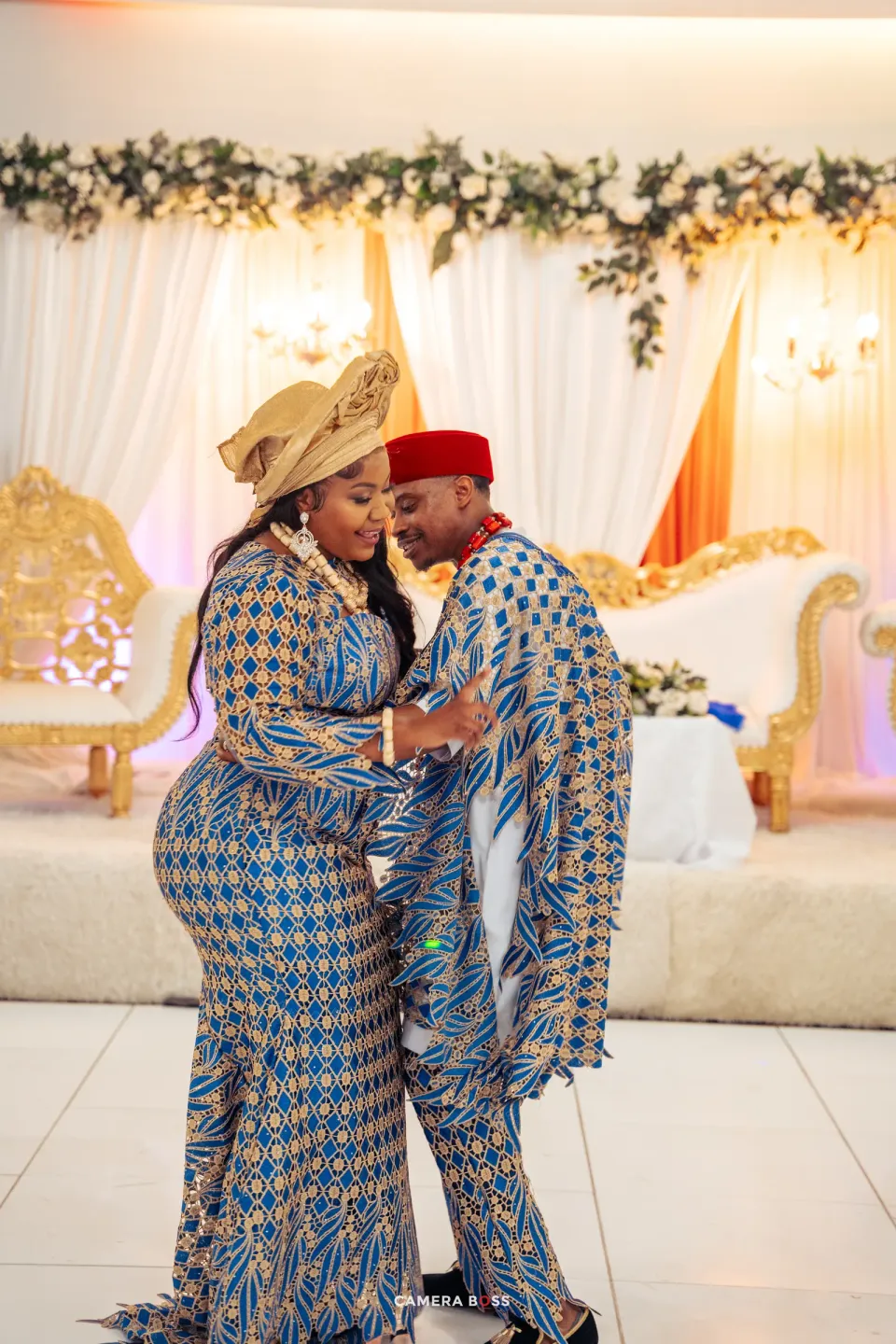
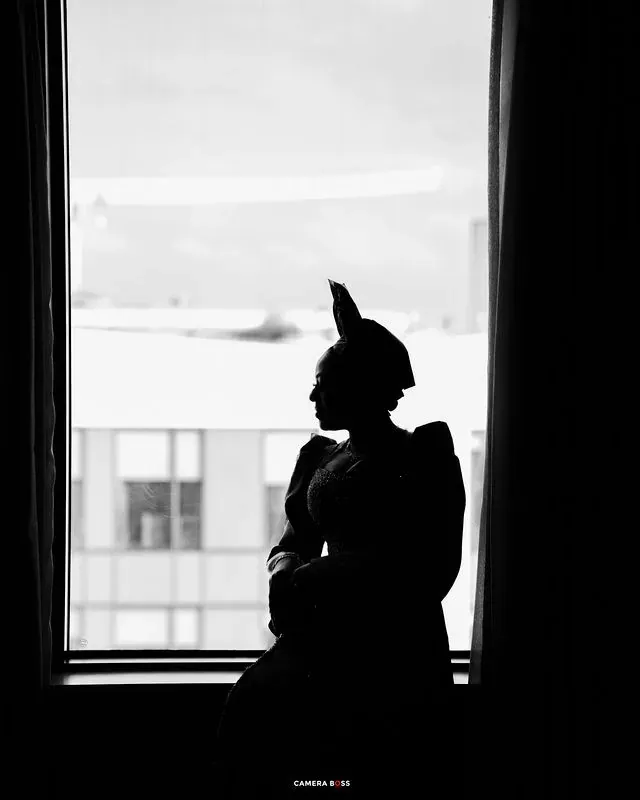
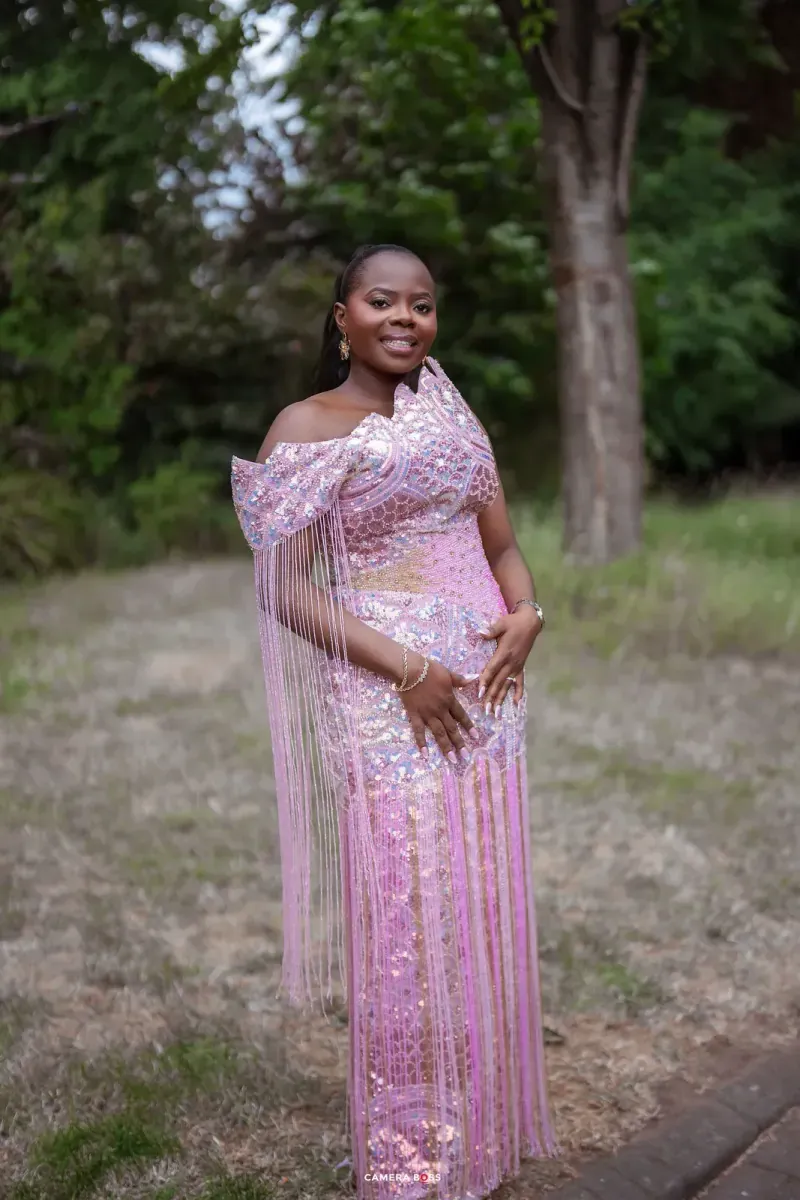
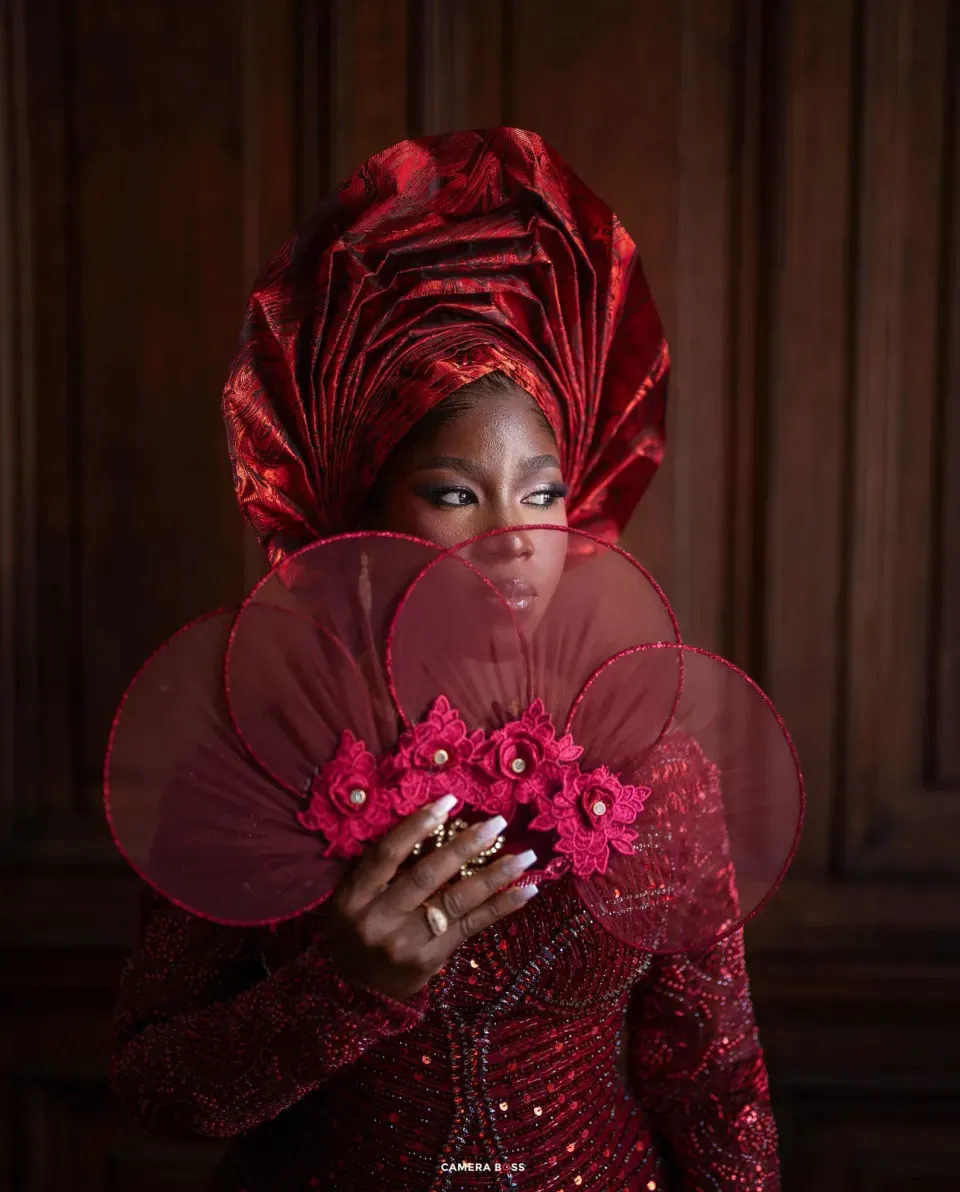
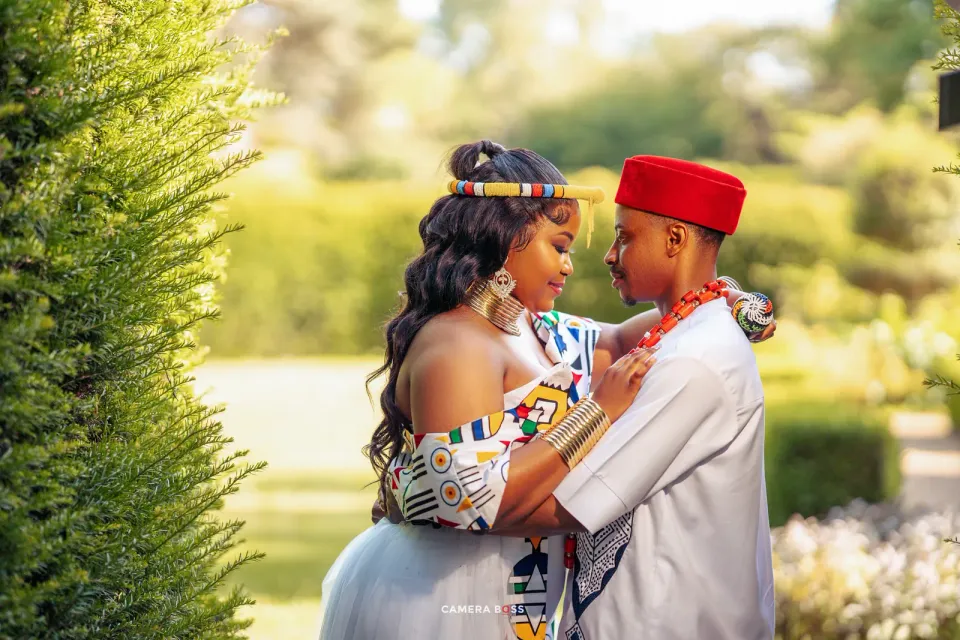
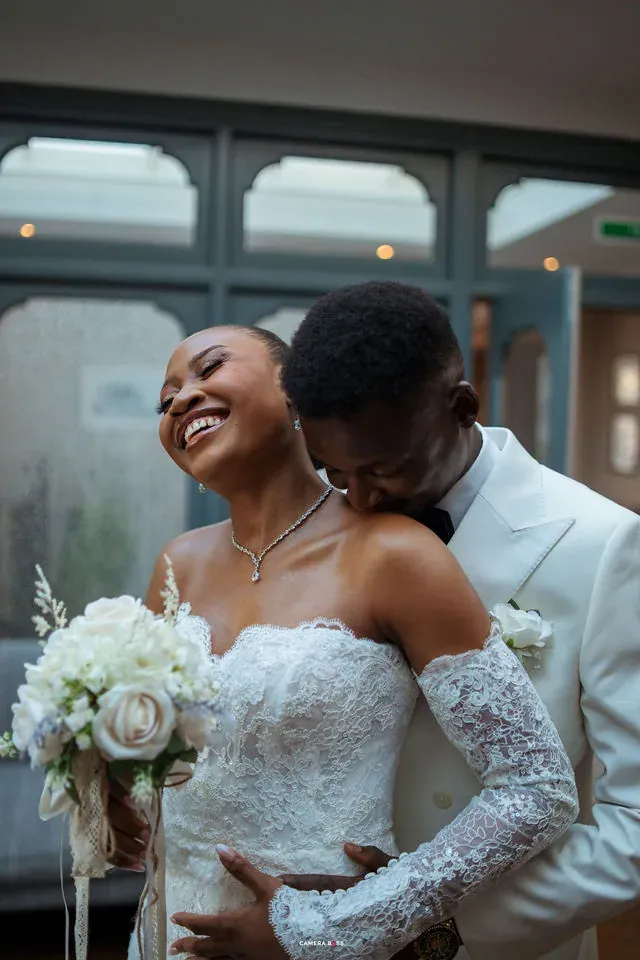
Ten photographs from ten CameraBoss galleries. These are examples of our photography, rather than a record of every location recommended in this guide.