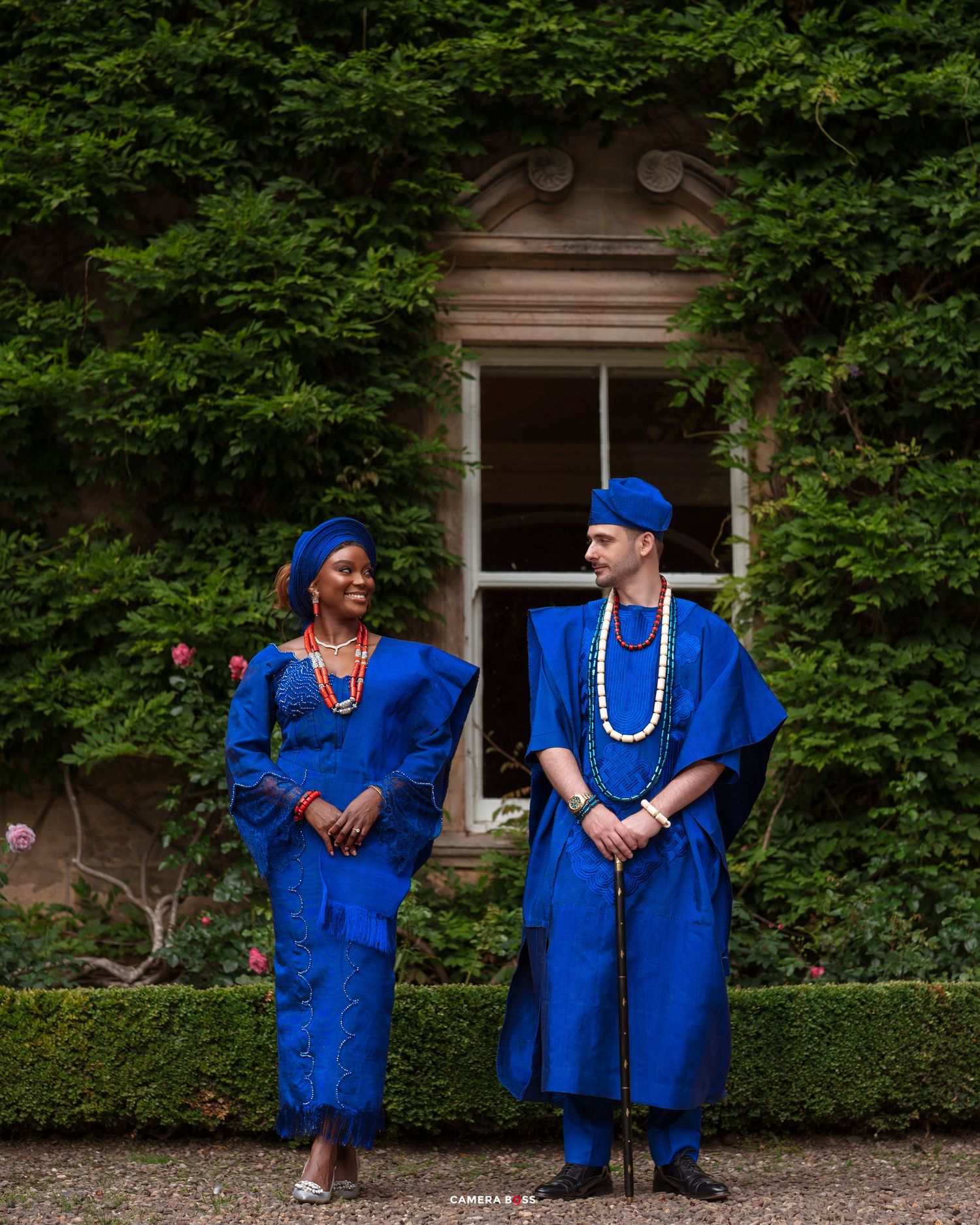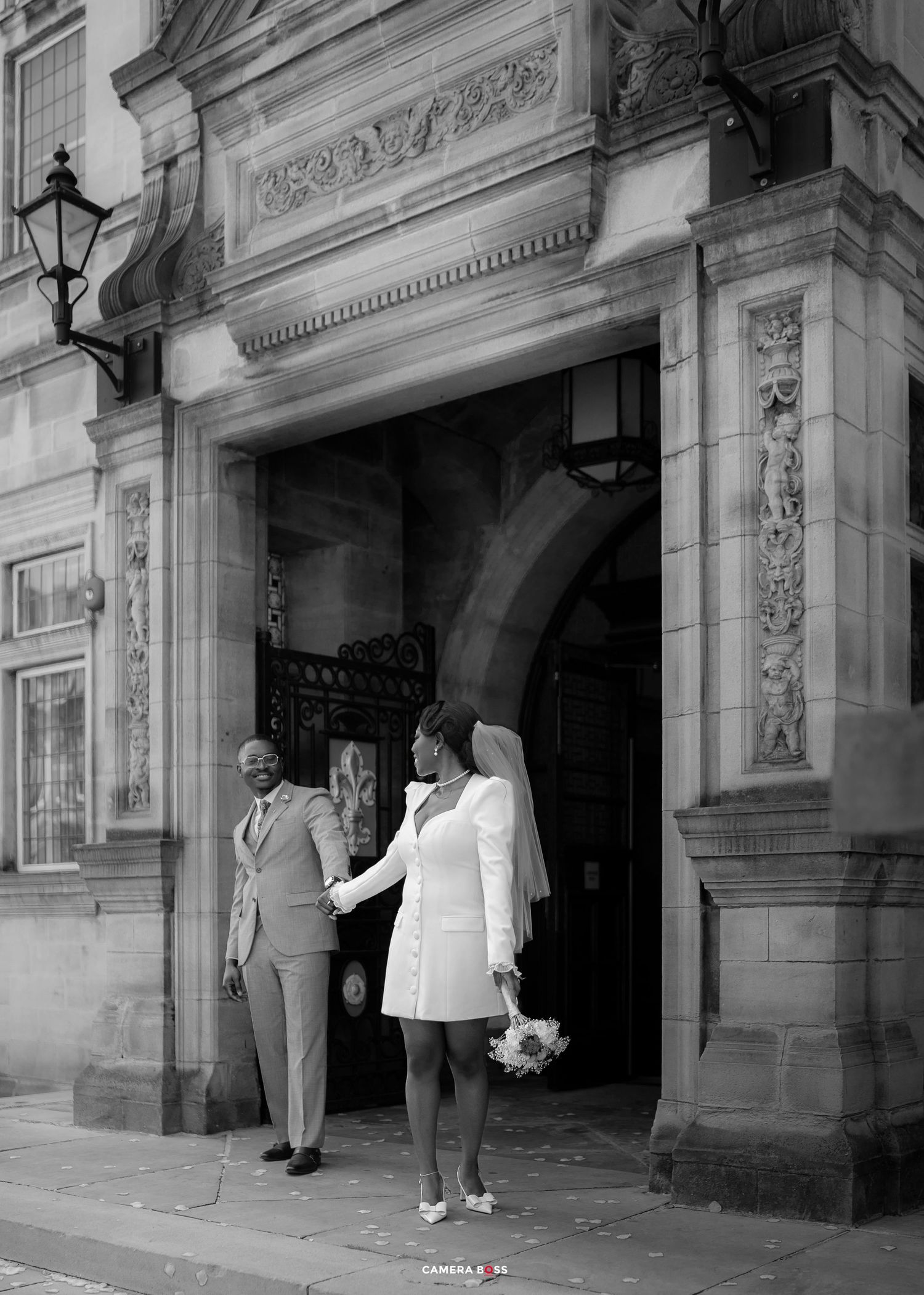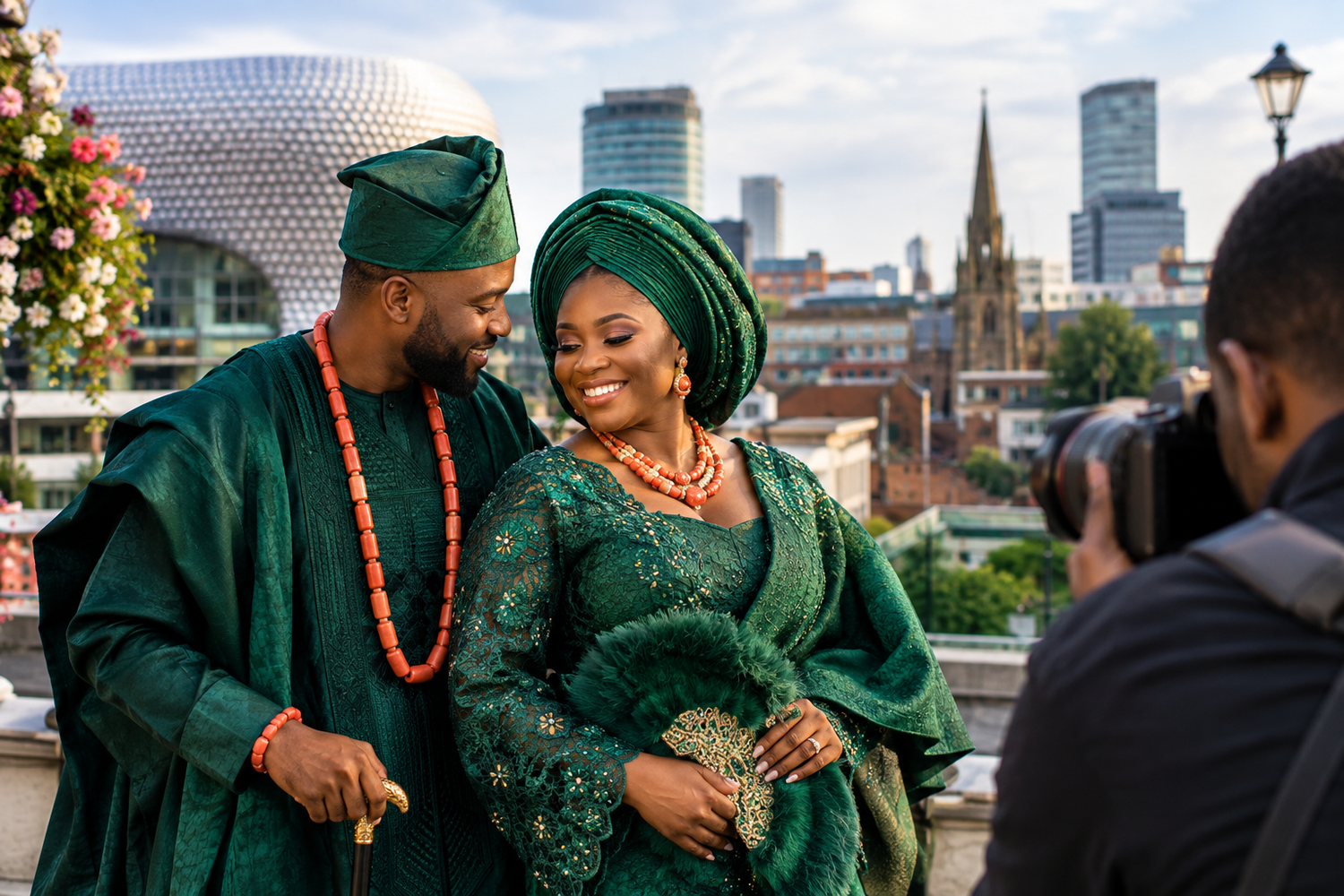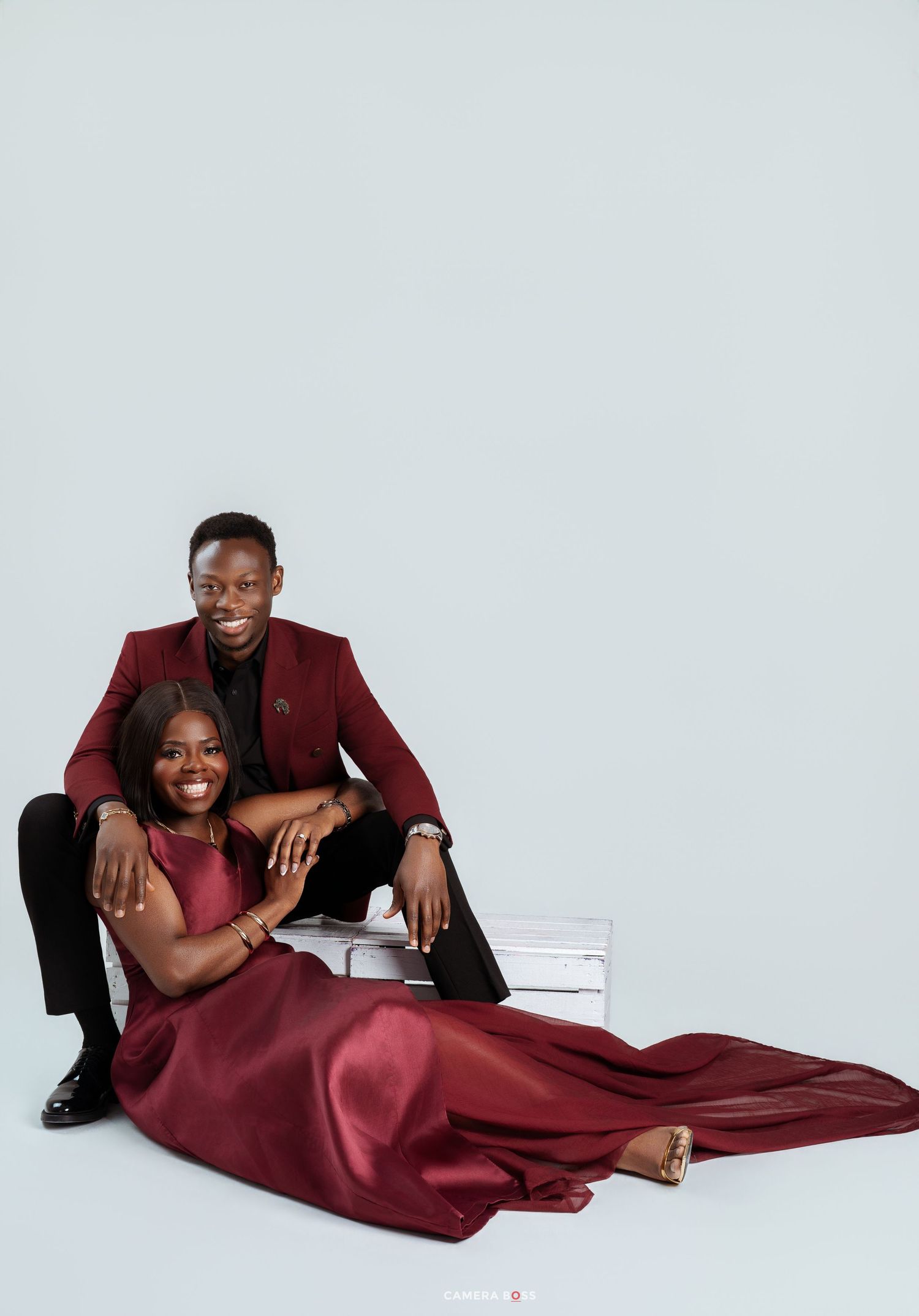
For years, couples were handed a shot list. They were positioned on staircases, arranged in archways, and told exactly where to look. The wedding album that resulted was polished, symmetrical — and completely unrecognisable as an actual day they lived. Something shifted. In 2026, couples aren't asking for perfection. They're asking for truth.
The Anti-Trend Era: Why Documentary Wedding Photography Has Taken Over in 2026
What Does "Anti-Trend" Actually Mean?
If you've been researching wedding photography recently, you may have come across the phrase "anti-trend era." It sounds like jargon, but it captures something genuinely significant that's been building for years and has now reached a tipping point. Wedding photography in 2026 has become less about following a look — moody presets, golden-toned Lightroom edits, elaborate table backdrops — and more about something harder to manufacture: capturing a day exactly as it happened.
The anti-trend era doesn't mean chaos. It means intentionality. It means couples are choosing photographers based on how they approach a room, not just which filter they apply afterward. It means the brief has shifted from "we want these 47 poses" to "we want you to follow us through the day and find the moments we'll forget." That is, at its core, the documentary approach — and it is now the dominant style requested by couples across the UK in 2026.
Industry commentators have been tracking this for several years. English Wedding noted in early 2026 that "documentary photography has evolved from a niche specialty to the default request." That shift has profound implications for how photographers work, how couples choose them, and how wedding days are actually structured.
Why Couples Are Choosing Authenticity Over Perfection
There is a broader cultural context for this. We are living through what sociologists might call a "performance fatigue" moment. Social media has been dominant long enough that its aesthetic — curated, filtered, idealised — no longer reads as aspirational to many people. It reads as hollow. When couples look back at their wedding photographs ten years from now, they don't want to see an Instagram grid. They want to see their grandmother's hands squeezing theirs during the ceremony. They want to see their best friend laughing so hard they had to sit down. They want the toddler cousin who ran onto the dance floor at the wrong moment. These are the images that age like gold.
The Stylist's 2026 wedding trends report identified documentary photography as one of the defining aesthetic shifts of the year, noting that "blurry motion shots, people laughing with their mouths open and zero awkward instructions" are what couples are actively seeking. The data bears this out. When we speak to couples during consultations, the overwhelming majority now come to us having specifically researched photographers known for their unposed, documentary approach — rather than those known for dramatic portraits or heavily stylised gallery imagery.
This isn't a rejection of beauty. Documentary wedding photography can be extraordinarily beautiful. It's a rejection of artificiality — of the sense that a wedding album was manufactured rather than lived.
What This Means in Practice — for Couples and Photographers
The documentary approach looks different depending on who's holding the camera. At its worst, it becomes an excuse for an underprepared photographer to fire shots randomly and call them "candid." At its best — and this is what we strive for at Cameraboss — it requires greater skill than posed portraiture, not less.
Documentary wedding photography demands:
- Deep spatial awareness — reading a room in advance, understanding where the light will fall, where the key moments will happen, and positioning accordingly without interrupting the flow of the day.
- Anticipation, not reaction — the best documentary images are made a fraction of a second before the moment peaks. A skilled documentary photographer watches faces, reads body language, and presses the shutter at the precise point before a laugh erupts or a tear falls.
- Cultural fluency — particularly critical for multicultural weddings. Knowing that a Yoruba alaga's announcement will bring the room to its feet, or that the moment just before a Bengali ring ceremony carries its own quiet weight, means being in position long before the moment arrives.
- The confidence to disappear — the best documentary photographers are the ones guests forget are there. Presence without intrusion is a learned, practised art.
For couples, the practical implication is that the consultation process has become more important, not less. You are not choosing someone to execute a brief — you are choosing someone to interpret your day. That requires trust, which requires knowing their work, their approach, and their personality before they arrive at your venue.
The Editing Shift: True-to-Colour Replaces the Heavy Preset
Alongside the stylistic shift in shooting approach, 2026 has also seen a parallel movement in post-processing. The heavy, warm Lightroom presets that dominated wedding photography galleries through the late 2010s and early 2020s are giving way to a true-to-colour aesthetic — one that prioritises natural skin tones, accurate colour rendering, and a clean, timeless finish over distinctive but era-specific "looks."
This matters for couples because it affects longevity. A wedding album edited in a fashionable preset from 2019 already looks dated. True-to-colour editing, executed well, looks as fresh in 2040 as it does today. It also means that the skin tones of every guest at your wedding — across every ethnicity, in every lighting condition — are rendered accurately and beautifully. For multicultural weddings where diverse skin tones are the norm, this is not a minor point. It's a fundamental quality marker.
At Cameraboss, we have always edited true-to-colour, partly because of our commitment to cultural authenticity — we photograph a lot of weddings where the richness of kente cloth, aso-oke fabric, or elaborately adorned ceremony spaces demands accurate colour, not a filter. Our gallery reflects this philosophy. We encourage couples to look at how photographers handle diverse skin tones before booking.
Twilight Portraits and the Rise of Mood Over Light
One specific technical trend worth noting in 2026 is the growing appetite for twilight and low-light portraiture. Rather than relying entirely on the golden hour just after sunset, couples and photographers are pushing further into blue-hour darkness — working with deep shadows, moody off-camera flash, and the dramatic interplay of artificial and ambient light.
This is a more demanding skill set than natural-light portraiture. It requires knowledge of off-camera flash, an understanding of colour temperature blending, and the creative vision to use darkness as a compositional element rather than an obstacle. But when it's done well, it produces some of the most striking wedding portraits we've ever seen — and increasingly, it's what couples are saving to their mood boards.
For UK weddings specifically, this is also a practical evolution. Summer weddings in the UK benefit from golden hour around 9–10pm. Winter weddings descend into darkness by 4pm. The embrace of low-light, flash-lit portraiture means that couples marrying in November or January now have access to stunning portrait opportunities that simply weren't part of the standard wedding photography toolkit five years ago.
Where Cameraboss Fits in This Era
We have always been documentary-first. When John Lekan founded Cameraboss, the philosophy was never to create beautiful images at the expense of true ones. The approach was to follow the day as it happened — to earn the privilege of proximity, and to use that proximity to make images that would outlast any trend.
The anti-trend era is, in many ways, the era we were built for. Our work at major cultural ceremonies — Yoruba weddings in London and Lagos, Igbo traditional ceremonies, mixed-heritage celebrations across the UK — has always demanded exactly what the best documentary photography demands: deep cultural knowledge, technical excellence, and the humility to let the day unfold without imposing on it.
If you're a photographer reading this, the lesson is clear: invest in your observational skills as much as your technical ones. Learn the cultural context of the communities you serve. Practise your low-light shooting. And resist the temptation to define your style by an aesthetic rather than an approach.
If you're a couple reading this, trust your instincts. Look at portfolios not for beautiful portraits, but for images that feel alive. Look for the laughter in between the poses. Look for evidence that the photographer was in the room without controlling it. That is the work you'll still be looking at in thirty years.
Explore our approach through our portfolio, or read more about John Lekan's story and philosophy as a documentary photographer working across the UK and Nigeria.
Questions About Documentary Wedding Photography
A: Documentary wedding photography means capturing your day as it actually happens — without staging poses or arranging moments. The photographer follows the day as an observer, using skill and anticipation to find and frame genuine emotions, interactions, and details as they unfold naturally.
A: Not necessarily. Most documentary photographers will still create some intentional portraits — typically a short session with the couple during golden hour or a quiet moment in the day. The key difference is that posed portraiture is a small portion of the day, not the dominant approach.
A: Yes. Family formals (group shots with immediate family and key relatives) are standard practice for documentary photographers — they're one of the few planned moments in an otherwise unscripted day. Discuss with your photographer in advance how many groupings you need and how long to allocate.
A: It is especially well suited to multicultural ceremonies, which often have rich, layered moments that a posed approach simply cannot capture. The key is that your documentary photographer must understand the culture — not just know that a ceremony exists, but know how it flows, what matters, and where to be at each moment.
See Documentary Wedding Photography in Action
Our gallery spans multicultural ceremonies, intimate elopements, and grand celebrations across the UK and Nigeria. Come and see what it looks like when photography follows life — rather than the other way around.