Choosing a wedding photographer gets difficult when several websites use the same words and their photographs look similar on your phone. Full galleries and detailed quotes make the differences easier to see. These are the costs to consider in 2026 and the questions I would ask before booking.
What a wedding photographer costs in 2026
Published averages vary. Bridebook’s 2026 report gives a UK average of £1,484; Hitched puts it nearer £1,590. WeddingsHub’s regional figure for full-day coverage is £1,813. Most couples spend somewhere between £1,200 and £2,500, so use these figures as context while comparing actual packages.
The surveys include different kinds of coverage. A two-hour register office booking involves far less work than a two-day Nigerian wedding, with a traditional engagement on Friday and a white wedding on Saturday. An average that mixes them cannot tell you what your own coverage should cost.
Location also affects the quote. London full-day coverage is quoted at around £2,813, roughly 55% above the national figure used in that comparison. Yorkshire is lowest at about £1,247. Overheads and local demand help explain regional differences even when the photographer's skills and equipment are similar.
Dividing the fee by the hours spent at the wedding misses much of the work. A ten-hour day can produce between 3,000 and 5,000 raw frames, followed by 20 to 30 hours of selection, correction and consistent grading. Travel and album production take further time. A second photographer, duplicate camera bodies, public liability and professional indemnity insurance, plus off-site backups, also need to be covered. The wedding day itself may account for about a third of the total work.
For our coverage options, see current pricing and contact us about your plans.
Comparing what each quote includes
Two £2,000 quotes can buy different amounts of coverage. Read the line items before deciding that the packages are equivalent.
Check the coverage hours and whether a second photographer is included or costs another £300 to £500. Ask for an image count: a promise of 300 edited photographs is clearer than “a selection”. Find out whether an album is included or would cost £600 afterwards, and what the engagement session covers if it lasts 45 minutes. Agree delivery timing too. Four weeks and twelve-plus weeks make a substantial difference, particularly in peak season.
Ask about the plans for equipment failure or illness. Recording to two cards simultaneously provides another copy if a card fails at 4pm. An illness clause should explain the replacement arrangement and the photographers who could step in. Check whether backups are kept in two physical locations plus cloud, and how long they are retained. Many venues require public liability insurance, so ask for a certificate and check your venue's requirements.
A low price can be useful only if the coverage meets your needs. Once the day has passed, you cannot repeat the ceremony to fill gaps in a gallery. Compare complete weddings before committing, while there is still time to choose a different approach.
Five questions to ask before booking
A supplier checklist can run to forty questions. These five give you a practical starting point and leave room to discuss the details of your own day.
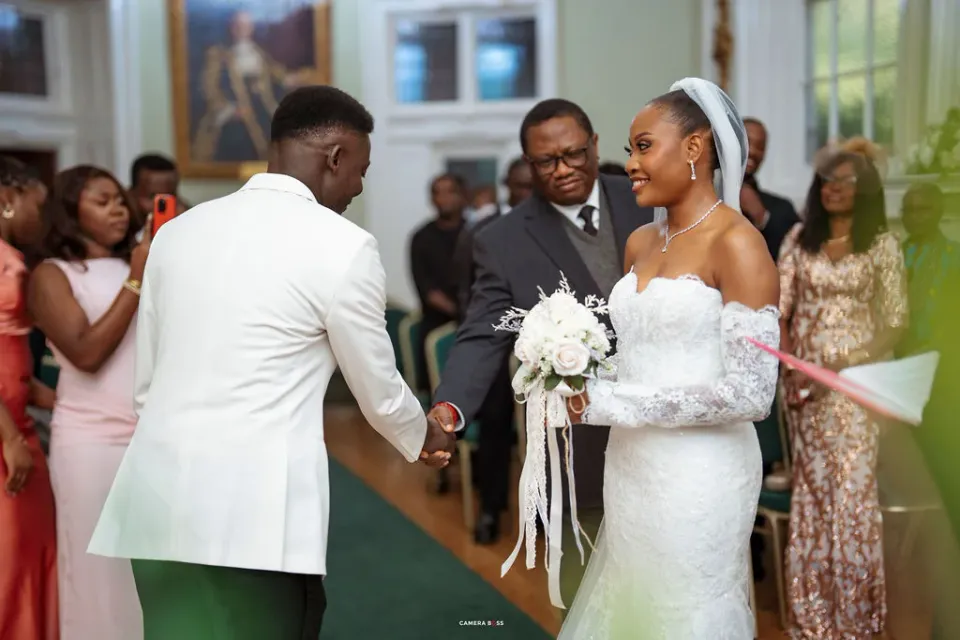
- Can we see one complete wedding, start to finish? A portfolio can contain thirty strong frames gathered over three years. A complete gallery shows the photographer's work in flat 2pm light, a dark ceremony room and on a busy dance floor. Browse our real wedding galleries to see the coverage across a day.
- What happens if you are ill? Ask for a contract clause and an explanation of the replacement network. A history of good attendance does not explain what would happen if they could not come.
- How many images do we get, and how are they chosen? A rough benchmark is 60 to 80 edited frames per hour of coverage. A much smaller delivery may be a highlights edit; a much larger one needs a conversation about culling and editing. Confirm the photographer's promised selection.
- Have you shot at our venue, or one like it? If the room is new to them, ask whether they will visit beforehand and how they prepare for unfamiliar lighting and layouts.
- Who owns the images and what may we do with them? Ask for a print-permitted licence in writing and clear terms about marketing use. Discuss UK GDPR and how they obtain explicit consent to use your photographs.
How photographic styles affect the day
Documentary, editorial, reportage, fine art and traditional are broad labels. Ask what each approach means in practice between 2pm and 4pm: how much time will be directed, and how much will be spent observing?
A documentary photographer usually gives little direction. The gallery records what happens, including unarranged moments. That can mean fewer polished portraits, and the result depends heavily on the events and interactions in front of the camera.
An editorial approach makes time for carefully arranged couple portraits and detail photographs. Allow 20 to 30 minutes, ideally near sunset, if you want that kind of sequence in your album. The time and light need a place in the schedule.
Traditional coverage includes formal groups. A list of ten family groups takes roughly 20 to 25 minutes when someone calls names from a printed list; without help, the same ten groups can take 45 minutes of the drinks reception. Choose two people who know the families and give them the list in advance.
Many photographers combine all three approaches. Ask how much of your day they plan to direct, then consider whether you would enjoy that amount of time being posed.
Skin tones and the ceremony running order
For a multicultural wedding, discuss both the photographer's colour work and their understanding of the ceremony.
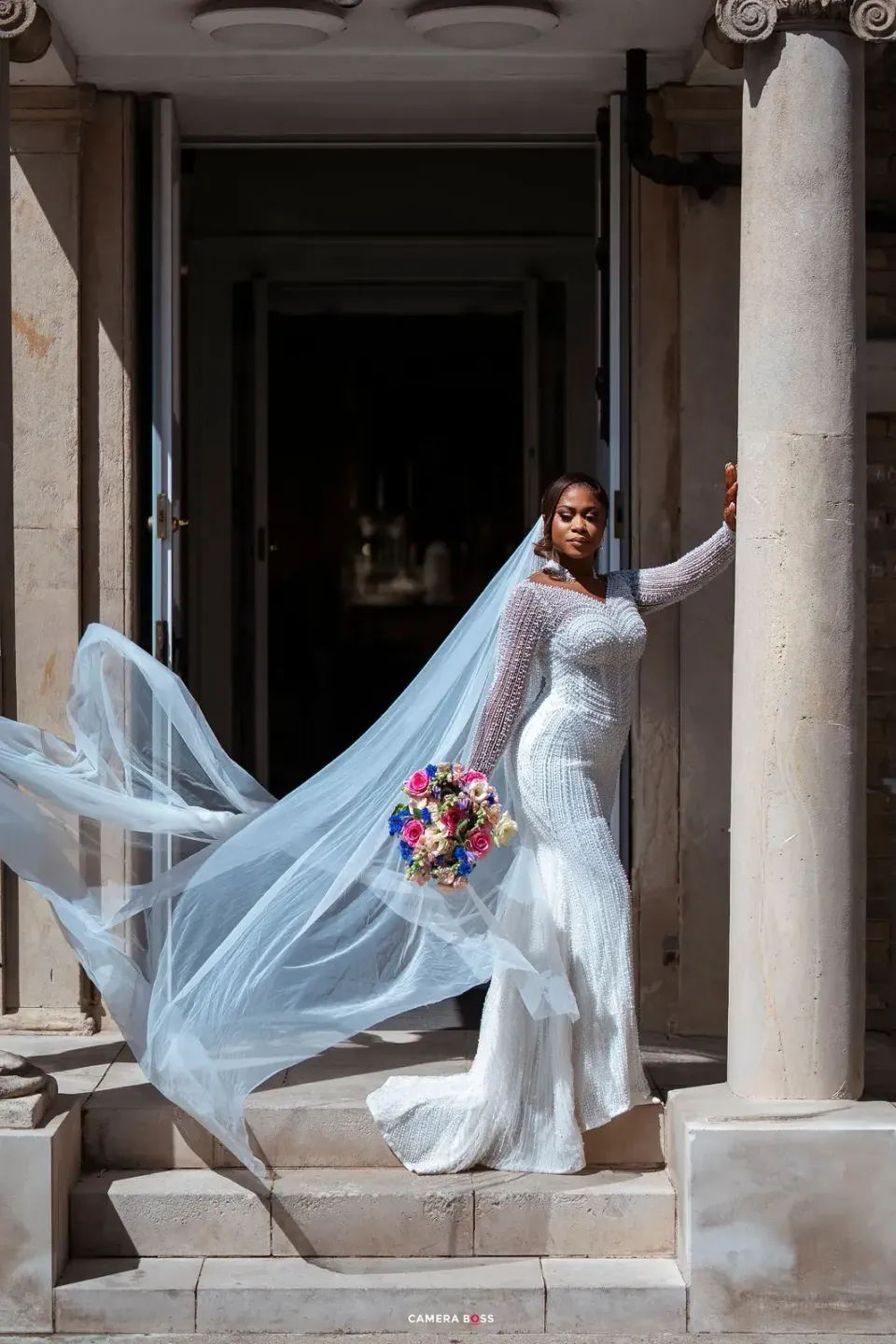
A camera meter's mid-grey reference needs careful interpretation when exposing for darker skin. Increasing brightness afterwards can leave skin looking grey if colour and warmth are neglected. Exposure should keep skin looking right while retaining detail in satin and sequins; editing needs the same care across 400 pictures. As a British-Nigerian luxury and documentary photographer, I have spent years making this part of how I expose and edit.
Knowing the order of service helps the photographer prepare. At a Yoruba traditional engagement, the groom's prostration, reading of the family letter and unveiling of the bride can happen quickly. Understanding the sequence gives them time to choose a position and focal length. Discuss that preparation for a nikah, a mandap ceremony or a church blessing too.
Cameraboss was named Creative Photographer of the Year at the Creative Industry Awards 2024. Our traditional and Nigerian ceremony work is collected at Aworan, where you can assess the photographs for yourself.
When to book and how to prepare
For a Saturday between May and September, established photographers commonly receive enquiries 12 to 18 months ahead. Popular dates can go earlier. A Friday or Sunday, or a date between November and March, may offer more availability and prices 10 to 20% lower. Compare the quote for your date if you have some flexibility.
The government guidance on marriages and civil partnerships gives a notice period of at least 29 days before the ceremony, after living in the registration district for the previous seven days. It also states that the ceremony must take place within twelve months of giving notice. Supplier bookings usually happen well before the notice appointment because popular dates fill earlier.
Confirm the date and venue, then book photography, catering and music, which can be difficult to replace late in planning. If you want film coverage, decide early. Adding a videographer four months before the wedding can limit availability and leaves two suppliers who may not have worked together needing to coordinate their space and timings.
The Cameraboss experience page explains our process from the first call to the final album. Use the enquiry form if you want to discuss your date or a particular part of the coverage.
Common questions
Q: How much should we budget for a wedding photographer in the UK?A: £1,200 to £2,500 covers much of the market. Published 2026 averages range from £1,484 to £1,813, depending on the survey; the London comparison is roughly 55% higher. Full-day coverage with a second photographer and an album starts around £2,000. Check the contents of each quote.
Q: How far in advance should we book?A: Allow twelve to eighteen months as a planning guide for a summer Saturday; other dates can need less lead time. Once your venue and date are agreed, ask about availability and who would photograph the wedding. Confirm the named photographer and any staffing arrangements in writing.
Q: Do we really need a second photographer?A: Under 60 guests in a single room may be manageable with one photographer. Above about 100 guests, or across two locations, a second shooter can cover another angle and guests' reactions while the first follows the ceremony.
Q: How long should we wait for our photos?A: Agree gallery, film and album delivery dates in writing before booking. For CameraBoss coverage, see current pricing and contact us about your plans.
Q: Is it better to book photography and videography together?A: Ask how the photographer and videographer will coordinate the day's timing and their positions during the ceremony. For our options, see current pricing and contact us about your plans.
Tell us about your day
Send us your date, budget and venue if you are comparing photographers. We can discuss the coverage you need and whether our approach suits your plans.