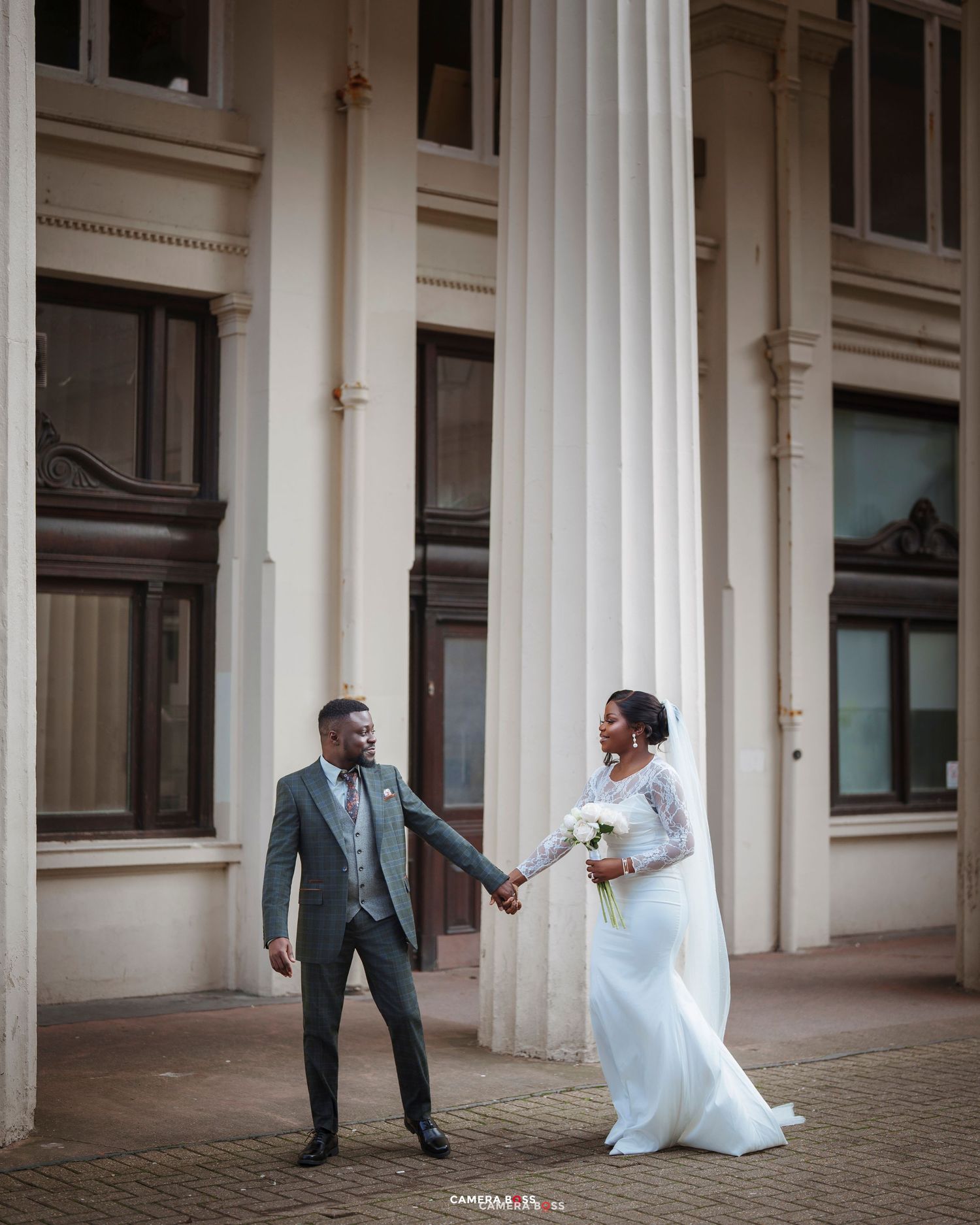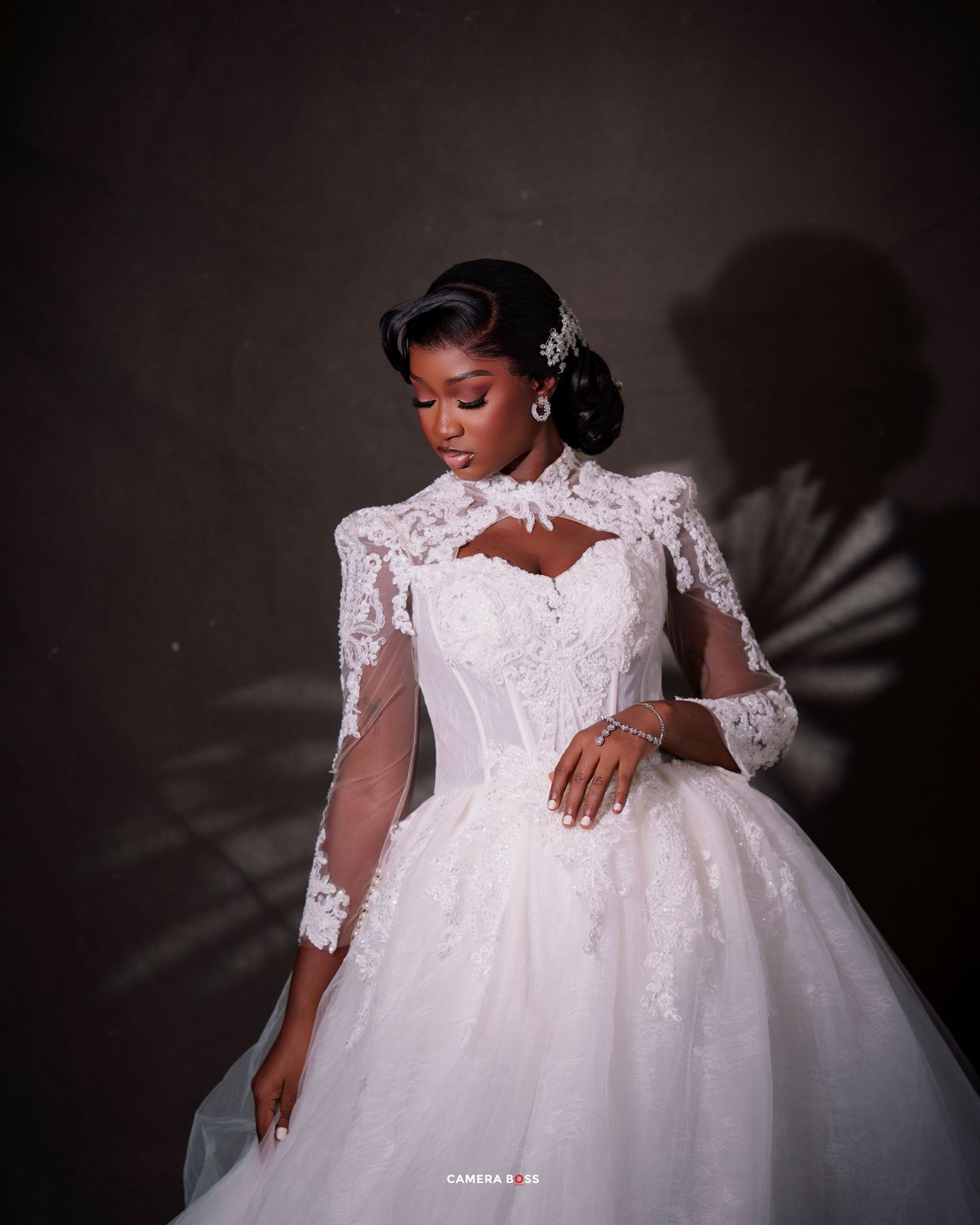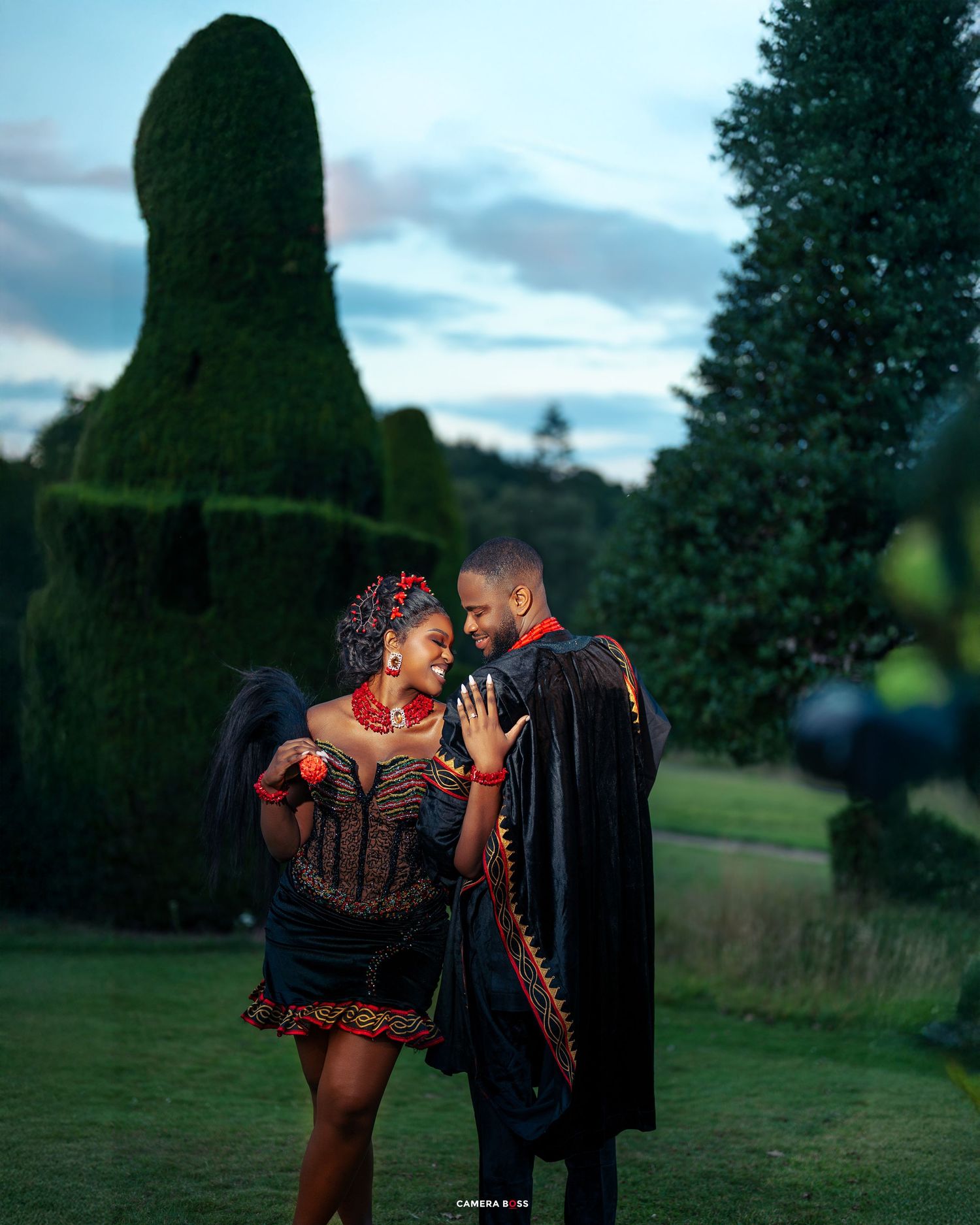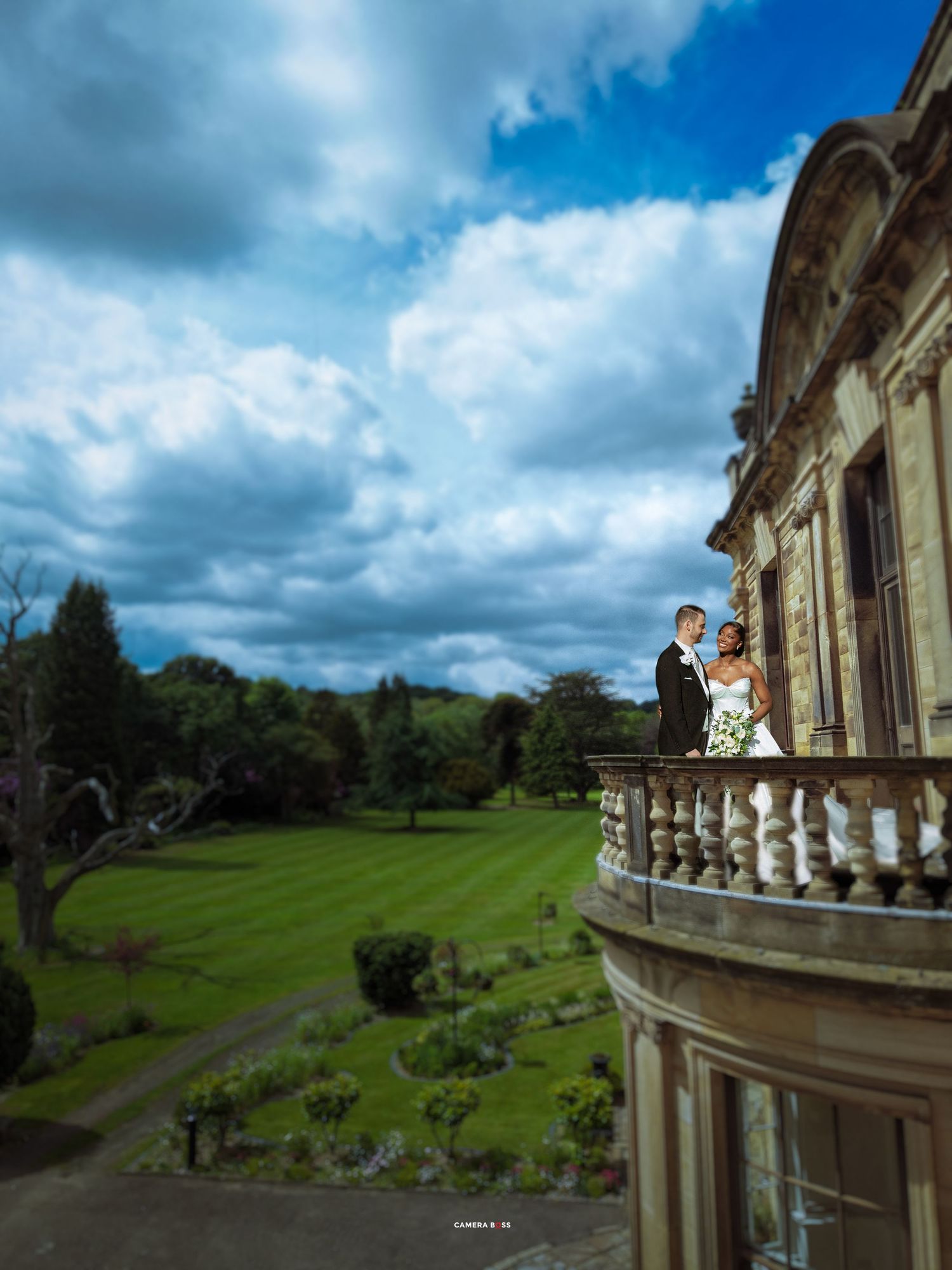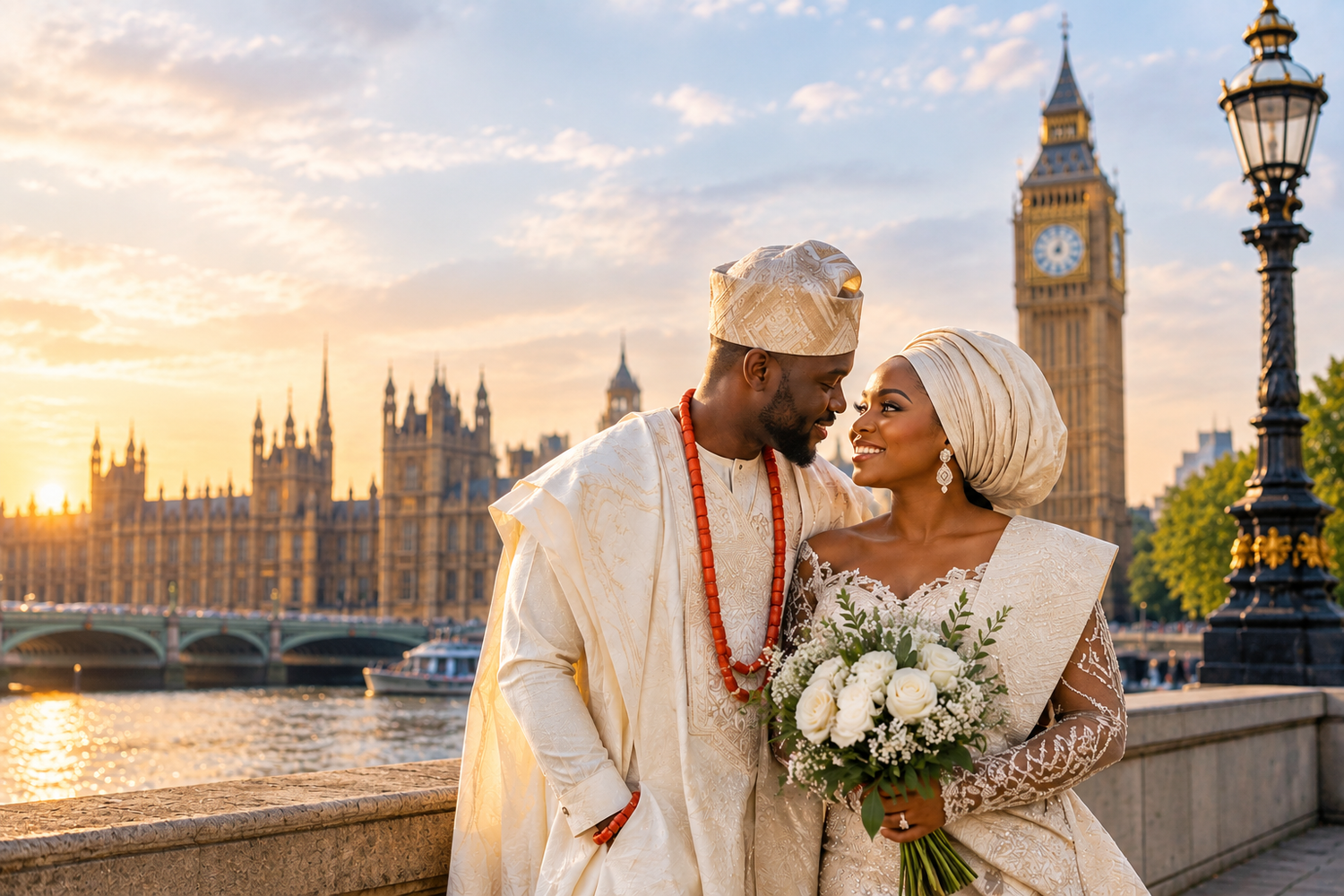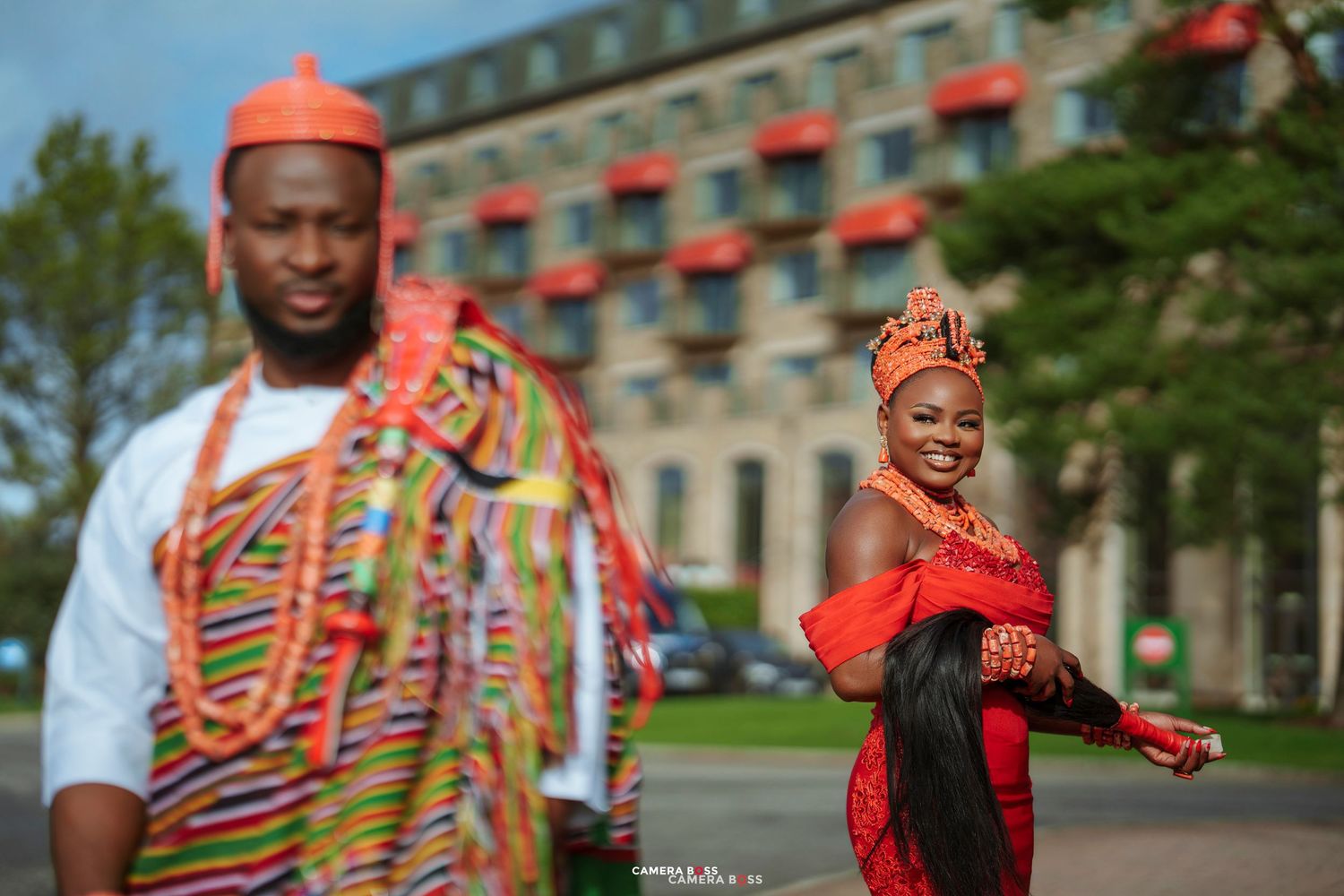
There is a quiet moment, just before the doors of a London ballroom open, when the bride exhales. The gele has been tied. The aso oke catches the light like brushed gold. Somewhere in the next room, a talking drum is warming up. This is the frame we live for at Cameraboss — the breath before the celebration.
In 2026, this frame has a new name. The industry is calling it editorial African wedding photography, and across London, Manchester, Birmingham and the wider UK, it is rewriting what a luxury wedding album looks like.
This is our journal entry on the trend, the craft, and the couples leading it. If you have not already, this piece pairs beautifully with our earlier deep-dive on luxury African wedding photography UK 2026 trends.
Why 2026 Belongs to the Editorial Aesthetic
Last year was the year couples finally said enough to over-edited, plastic-skinned, identical galleries. This year is the year they said yes to something braver.
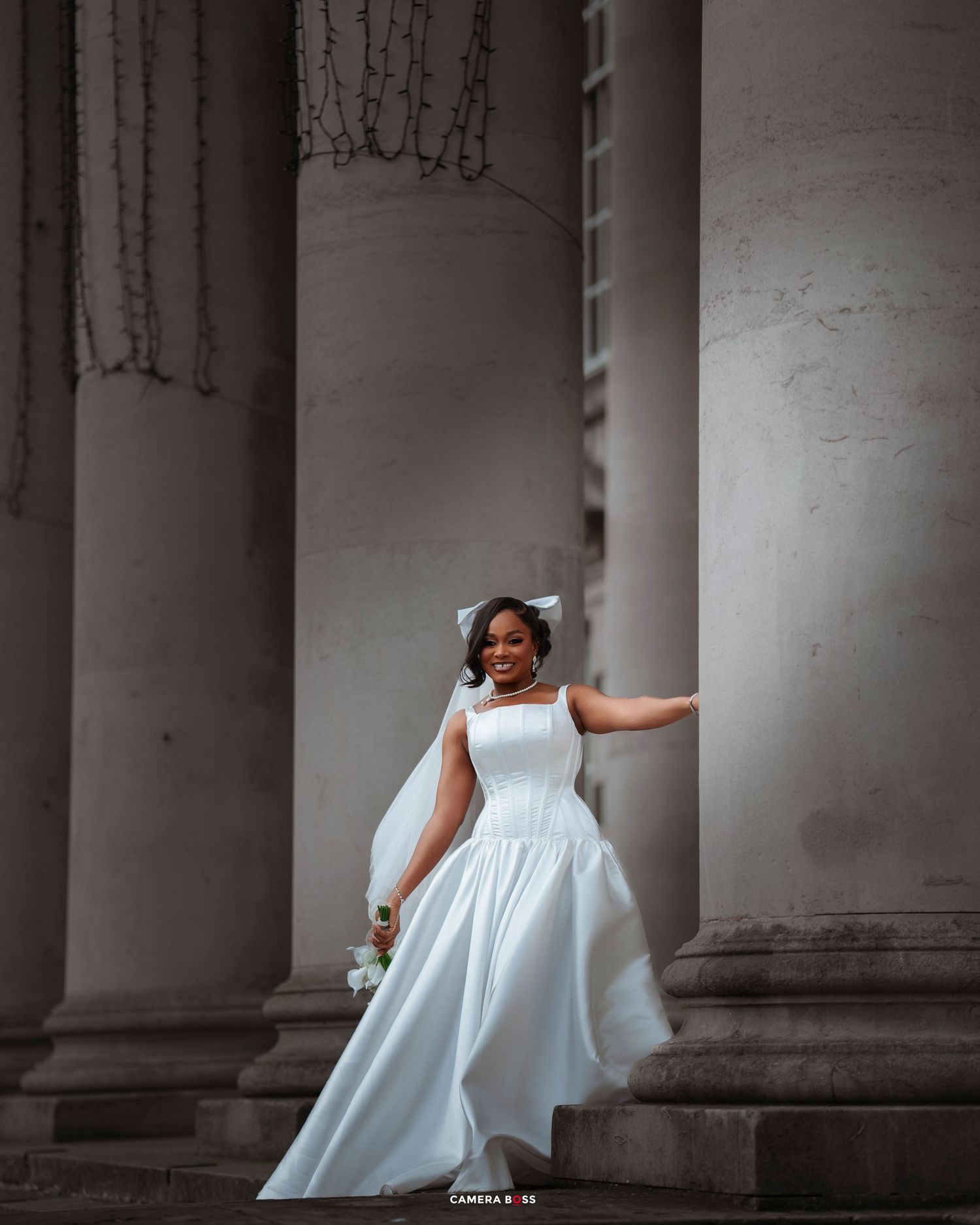
Editorial wedding photography borrows the language of high fashion — Vogue Africa, British Vogue, AnOther, Schön! — and puts it in service of a love story. It is not posed perfection. It is intentional storytelling: cinematic light, considered composition, editorial restraint, and the kind of emotional honesty that makes a frame feel inevitable.
For African couples in the UK, the shift is even more meaningful. For decades, our weddings have been documented as events. In 2026, they are being documented as art.
Three forces are powering this change.
A new cultural confidence. A generation of British-Nigerian, British-Ghanaian, British-Caribbean and pan-African couples are no longer toning down their heritage to fit a Western "luxury" template. They are letting the heritage be the luxury — aso ebi, coral, ileke, kente, agbada, lace, gele, all photographed with the reverence usually reserved for couture.
A redefinition of luxury. Couples investing five and six figures in their wedding day are asking a sharper question: will these images still feel timeless in twenty years? The answer rarely lives in heavy filters or trend-chasing presets. It lives in editorial craft. You can see this philosophy across the Cameraboss editorial portfolio.
An anti-AI authenticity movement. In a year when synthetic imagery is everywhere, real photography — film texture, true skin tones, a frame the photographer actually saw — has become the new status symbol. Editorial African wedding photography is the most expressive form of that movement.
What Editorial African Wedding Photography Actually Looks Like in 2026
We get this question often, especially from couples planning weddings at venues like The Savoy, The Landmark London, Tottenham House, Stoke Place, Cavendish Banqueting Hall, and country estates from Surrey to the Cotswolds. Here is how the aesthetic translates on the day.
1. Cinematic light, not bright light
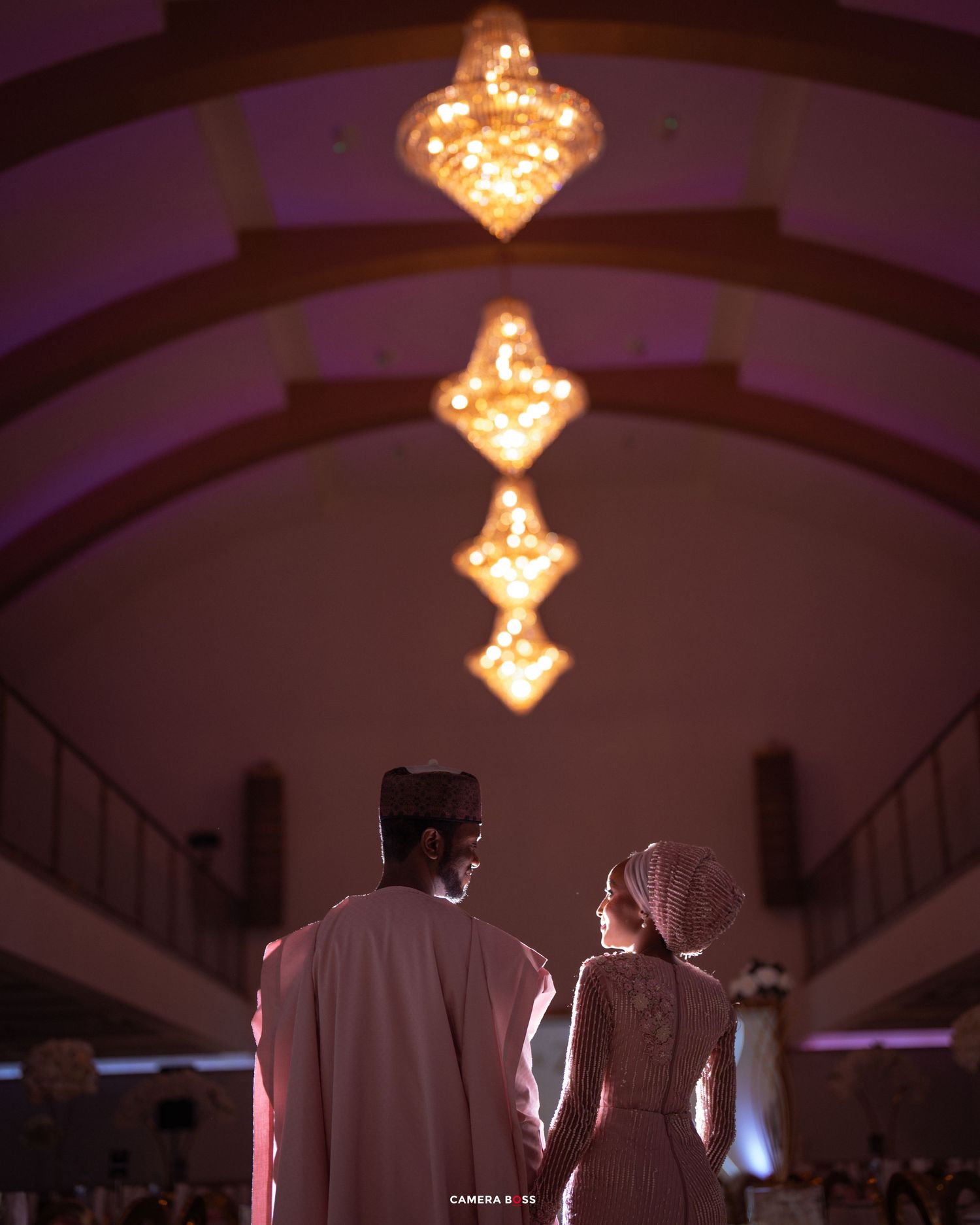
The 2026 luxury palette is warm, soft and deliberately moody. Window light, candlelight, gold uplighters, a single off-camera key light. We chase shadow as much as highlight, because shadow is what gives skin tone, beadwork and aso oke their depth. Brown skin is finally being lit for brown skin — not corrected, not lifted, not flattened. Honoured.
2. Loose editorial composition
Stiff posing is over. The new direction is "loose editorial" — frames that look like a Harper's Bazaar cover but were captured in real, unscripted seconds. A bride adjusting her gele in a mirror. A groom lacing his agbada cuff. A father watching his daughter from the doorway. We compose them like a fashion editor would, then let the moment do the work.
3. True-to-colour editing
The biggest editing shift of 2026 is honesty. The exact carmine of a Yoruba bridal aso oke. The deep emerald of an Igbo Igba Nkwu wrapper. The actual creamy tone of a Mayfair ballroom at dusk. Cameraboss galleries in 2026 are graded for archival accuracy first, mood second — so the album still feels true in 2046.
4. Intentional motion blur
A spinning bride. The flick of a wrapper. Hands in the air as the DJ drops Asake or Rema or Burna Boy. Slow-shutter frames are the new currency of the dancefloor — they bottle the feeling of an African wedding in a way still images cannot.
5. Direct flash, used with restraint
The 90s direct-flash look is back, but in 2026 we use it as punctuation, not a sentence. A handful of bold, high-contrast hits — the cake cutting, the spray of money, the late-night candid — paired with cinematic ambient coverage for the rest of the day. Edge without overload.
6. Editorial film, digitally captured
Real 35mm film is having a renaissance, and we love it. But for most couples, the smarter answer is digital files graded with the texture, tonality and grain of medium-format film stock — Portra-leaning skin tones, Ektar-leaning colour. The best of both worlds.
7. Documentary at its core
Editorial framing only works if the moments inside it are real. Beneath every cinematic frame in a Cameraboss gallery is documentary discipline — quiet observation, anticipation, and the patience to wait for a glance instead of staging one.
"Brown skin is finally being lit for brown skin — not corrected, not lifted. Honoured."
The Cultural Frames That Make a London African Wedding Sing
A luxury wedding in London is shaped by venue. An African wedding in London is shaped by ceremony. The editorial photographer's job is to honour both.
The Yoruba traditional engagement. The dobale, the prostrating of the groom, the family blessings, the laying of items, the "where is our wife?" call-and-response. These are not photo opportunities — they are sacred. We frame them like portraiture, never interrupting them.
The Igbo Igba Nkwu. The wine carrying, the moment the bride finds her groom in the crowd and offers him the cup. There is no second take. We shoot it like a film still.
Aso ebi as a visual signature. When two hundred guests arrive in a single coordinated palette — coral, royal blue, blush, champagne — the room becomes a moodboard. We compose for it. Wide architectural frames. Crowd portraits that read like editorial spreads.
The white wedding. The cathedral, the Mayfair hotel, the country house. This is where the editorial discipline shines — couture gowns, bespoke tuxedos, cinematic ceremony coverage, and reception portraits that earn their place on a wall.
The afterparty. Direct flash, motion blur, amapiano until 2am. The gallery's heartbeat.
Where 2026's Editorial African Weddings Are Happening in London
A few venues we are seeing booked again and again for the editorial aesthetic:
A grand London hotel ballroom — The Landmark, The Dorchester, Claridge's, The Langham — for couples who want couture-meets-cinema. Cavendish Banqueting Hall and similar large-capacity venues for big Nigerian guest lists with full traditional ceremonies. The Roundhouse, One Marylebone and Tate Modern Members Room for art-forward couples who want their wedding to look like an exhibition. Country estates within ninety minutes of London — Hedsor House, Stoke Place, Hever Castle — for couples blending heritage with English landscape.
Each venue gives editorial photography a different dialect. The right photographer speaks them all.
How Cameraboss Approaches an Editorial African Wedding in 2026
Our process has changed deliberately this year, in step with the trend. You can read more about the team and the philosophy on the About John Lekan and Cameraboss page.
Pre-wedding moodboarding. Every couple receives a tailored visual brief — references from African fashion editorials, our own archive, and the venue's existing geometry. We agree the palette before we agree the timeline.
A second shooter who thinks like a fashion assistant. Not just a back-up — a true editorial second eye, briefed on what the lead photographer is composing so the gallery has dimension.
Lighting kit that travels with us. Off-camera flash, gels, a continuous warm key, a fold-down reflector. London ballrooms are dramatic. We come prepared.
Cinematic storyboarding for the day. Six to ten "hero frames" planned in advance, then released so the documentary work can flow.
Heritage-aware coverage. Yoruba, Igbo, Edo, Ghanaian, Sierra Leonean, Caribbean — every ceremony has rhythms, prayers and protocols. We have shot enough of them across the UK and Nigeria to know when to lean in and when to step back. Couples planning a hybrid UK / Nigeria celebration can review both packages on our UK wedding photography pricing page and our Nigeria wedding photography pricing page.
The Quiet Truth Behind the Trend
Editorial African wedding photography is not really a trend. It is a long-overdue correction. African weddings in the UK have always deserved the same reverence the industry gives a black-tie wedding in the Cotswolds or a society wedding in Tuscany. 2026 is simply the year the rest of the industry caught up.
We have been photographing these days like art for nine years. We will photograph them like art for many more.
If your 2026 or 2027 wedding deserves images that still hold up the year your grandchildren find them — frames that honour your culture, your couture and your love story with equal weight — this is the work we want to do with you.
Plan the Story Before the Day
Cameraboss is currently booking a small, considered list of editorial African weddings across London and the UK for the 2026 and 2027 seasons. If our approach feels like the language you have been trying to describe, we would love to hear from you.
Enquire about your 2026 / 2027 wedding →