Wedding Content Creators vs Wedding Photographers: What Every Couple Needs to Know in 2026
Something significant shifted in the wedding industry over the past two years, and it is worth talking about plainly. A new role has emerged — the wedding content creator — and couples across the UK and beyond are adding it to their vendor list alongside photographers and videographers. This post is for both couples trying to understand what they actually need, and for photographers wondering where all of this is heading. Here is what the data shows, what the industry is doing, and what we at Cameraboss think it means for your wedding day.
1. The Numbers Behind the Shift: TikTok Has Fundamentally Changed How Couples Plan Weddings
The scale of this change is striking. In 2026, TikTok is used as a primary wedding planning tool by 25% of all couples — up from just 15% in 2025. Half of all engaged couples now get at least some of their wedding inspiration from short-form video. And 40% of couples are now actively asking their photographers to capture social-first content alongside their traditional wedding gallery.
This is not a fringe trend. It is a structural shift in how people discover, evaluate, and remember their weddings. A couple who met watching each other's TikToks, planned their engagement shoot based on a trending Reel, and booked their venue after finding it on Instagram — of course they want their wedding day documented in that same visual language.
Industry data point: TikTok grew from the top planning tool for 15% of couples in 2025 to 25% in 2026. 40% of couples now ask their photographer to capture social-first content. (Source: THE WED, 2026)
What this means in practice is that couples increasingly want two things from their wedding photography: the timeless archive of beautiful stills they will print and keep for decades, and the immediate, shareable content they can post within 24 to 48 hours while the feeling is still fresh. Those are two very different briefs — and the industry has responded by creating a new role to handle the latter.
2. What Is a Wedding Content Creator — and How Is It Different from a Photographer?
The simplest way to explain the distinction is this: a photographer freezes a moment. A content creator captures the energy around the moment.
A wedding content creator is typically hired specifically to shoot vertical, phone-first, short-form video throughout the day — the getting-ready chaos, the first look reaction, the behind-the-scenes of the ceremony setup, the groom seeing his bride for the first time, the bridal party's entrance, the first dance as the Reels cut is designed to happen. This content is delivered quickly — often within 24 to 48 hours — and is designed to be posted directly to Instagram, TikTok, and Stories.
A photographer, by contrast, is shooting the full, edited gallery of stills that will take three to eight weeks to deliver, crafted to last decades and look extraordinary at large print sizes. A videographer sits somewhere in between — capturing the full cinematic film of the day with professional sound and colour grading.
The key difference is not just format — it is intention. The content creator's work is optimised for now. The photographer's work is optimised for always.
3. Do You Actually Need Both? An Honest Assessment
Here is where I want to be genuinely useful rather than just trend-reporting. The honest answer is: it depends on your priorities and your budget.
If you are a photographer or vendor reading this: The content creator trend is not a threat to high-quality photography. It is a different lane. Couples who hire content creators are not doing so instead of a photographer — they are doing it in addition to one. The best photographers are already adapting by incorporating behind-the-scenes Reels-style coverage into their packages, shooting vertical alongside horizontal, and understanding that the digital-first couple wants both a timeless gallery and same-day stories.
If you are a couple planning your wedding: Ask yourself how much you will actually use the social-first content. If you are genuinely active on Instagram or TikTok, want to post the morning of the day-after, and have followers who will engage with it — a content creator might be worth the investment. If your priority is a beautiful, lasting gallery and a wedding film your family can watch for years, those should remain your non-negotiables, and social-first content is a bonus, not a requirement.
What most couples do not need is three separate vendors doing overlapping jobs. The smarter move is finding a photographer or team that understands how all three formats work together — and can either handle the social-first content themselves or work seamlessly alongside a content creator without stepping on each other.
4. The Editing Aesthetic That Is Winning in 2026: Documentary-Cinematic Over Heavily Processed
Separate from the content creator conversation, there is a significant shift happening in wedding photography editing aesthetics that couples should know about when they are choosing their photographer.
The heavy preset era — the orange-tinted skin tones, the blown-out highlights, the look that was unmistakably 2019 — is firmly over. In its place, the dominant aesthetic in 2026 is what many photographers are calling documentary-cinematic: real skin tones, true-to-colour editing, emotional authenticity, and compositions that feel like scenes from a film rather than poses from a catalogue.
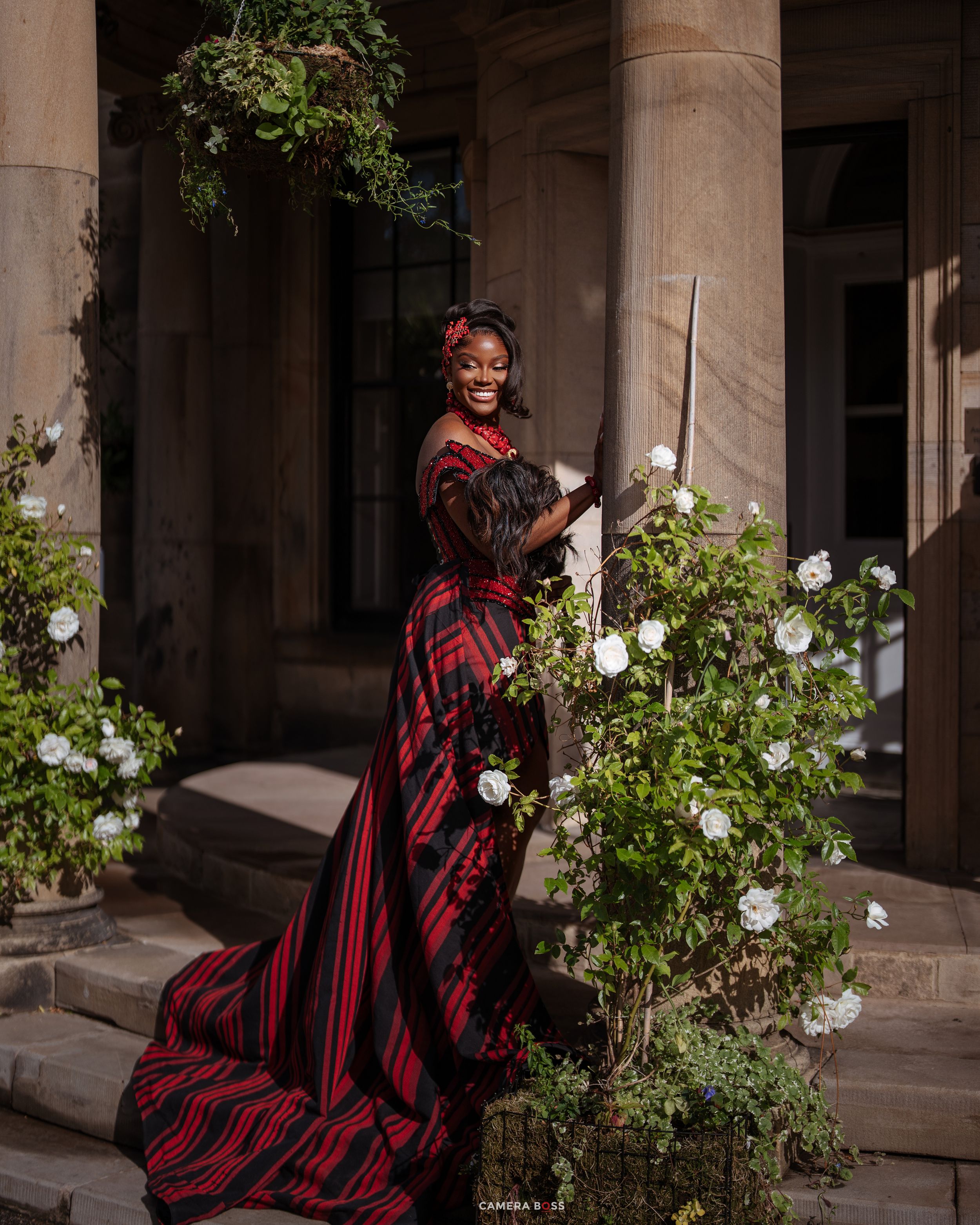
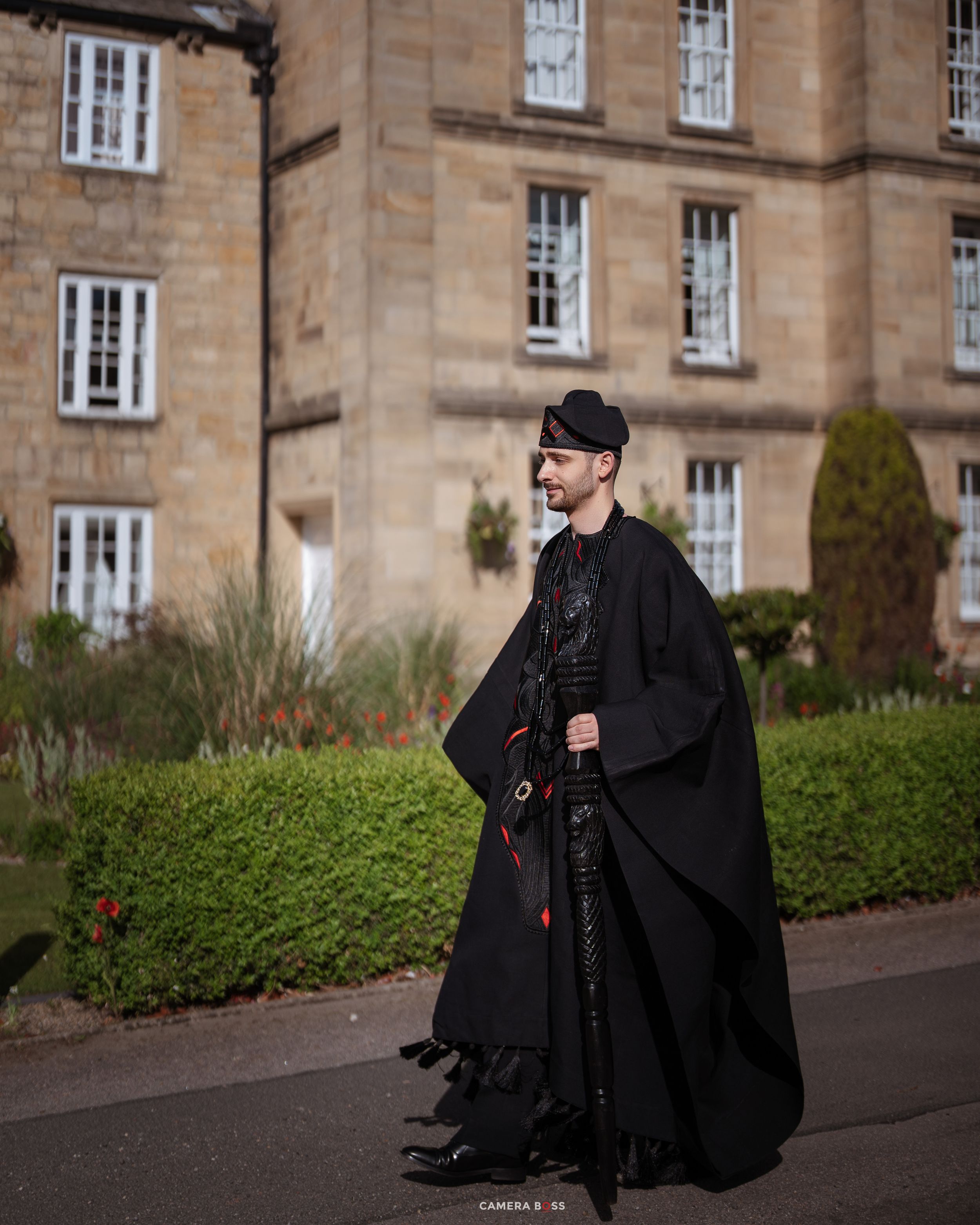
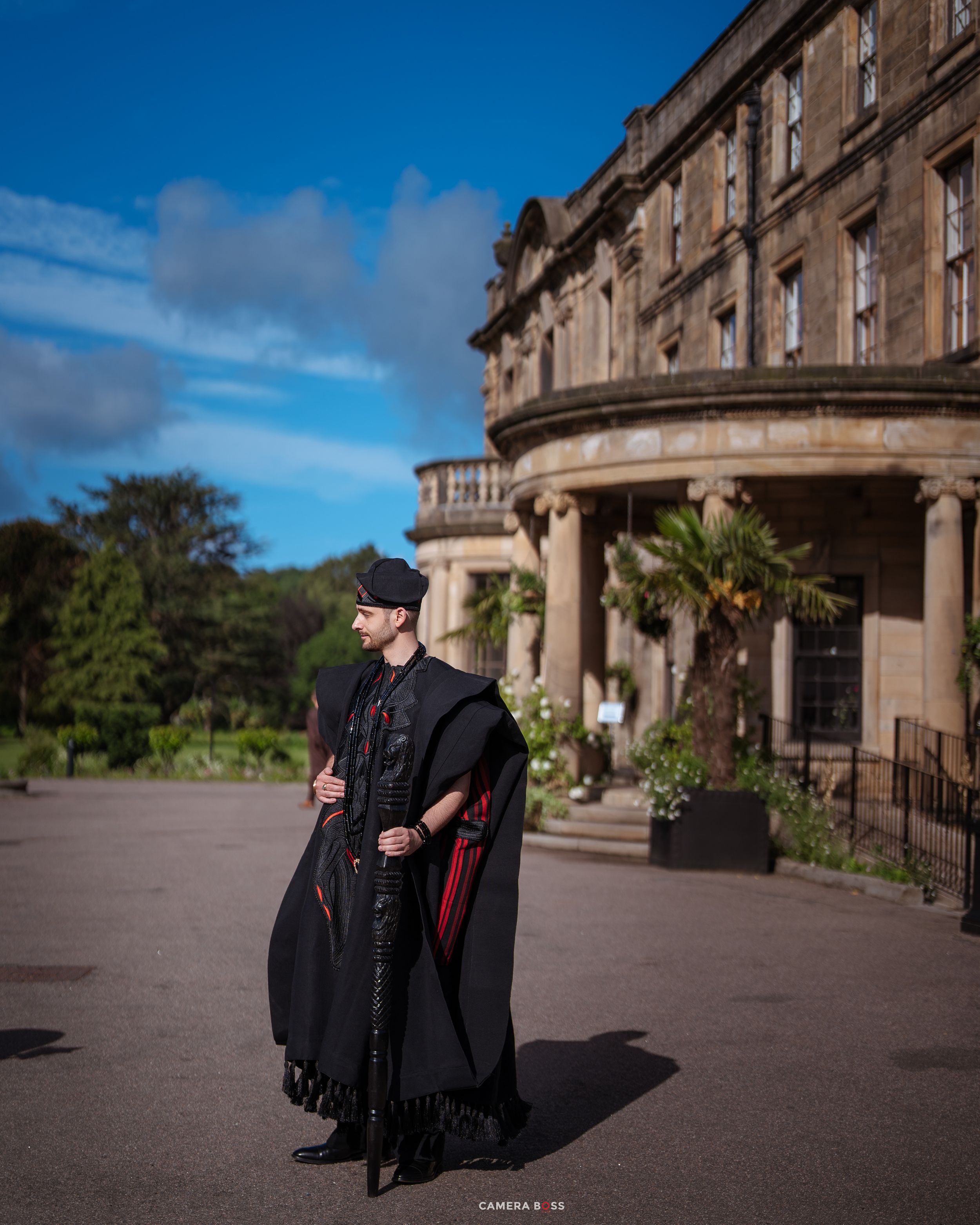
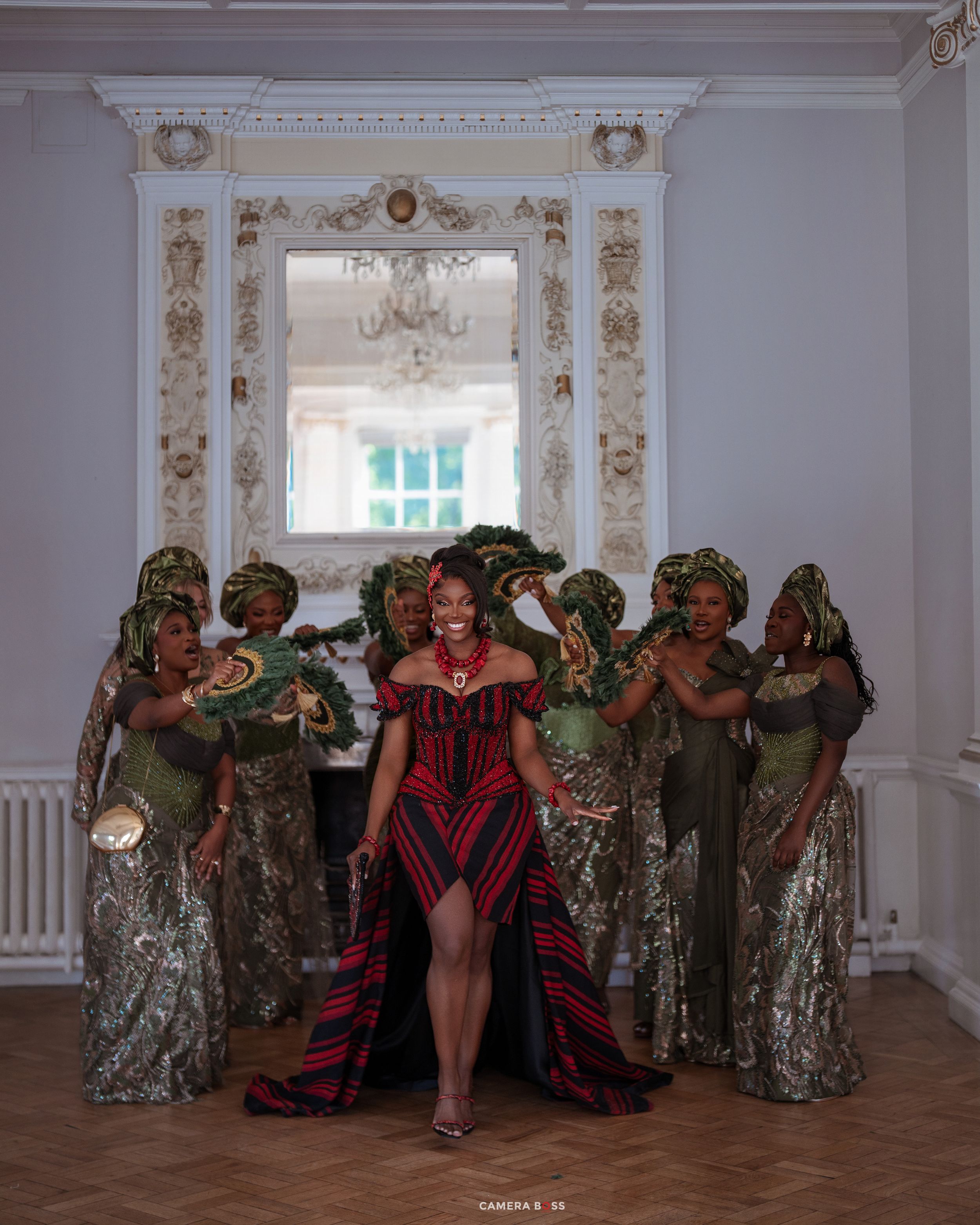
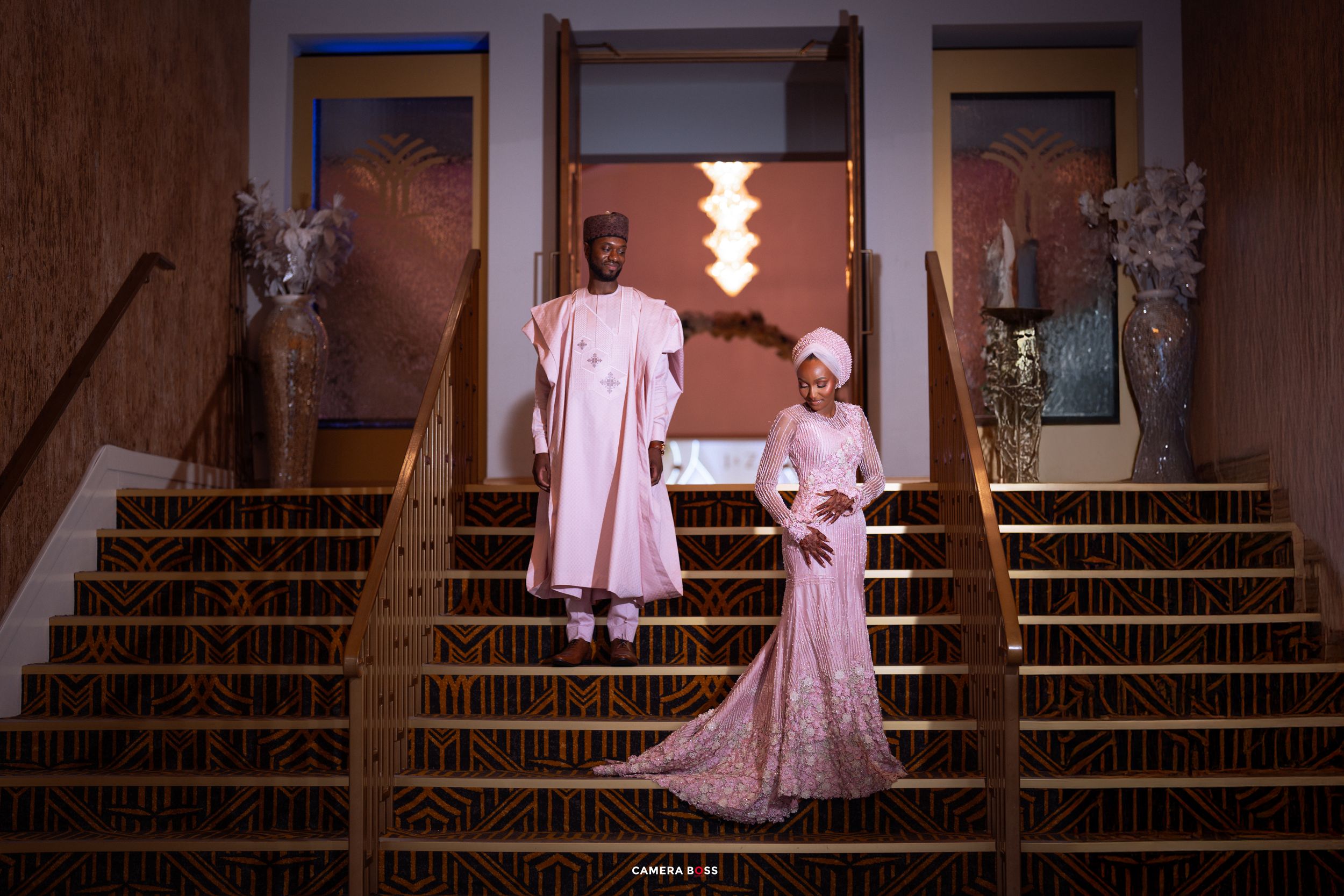
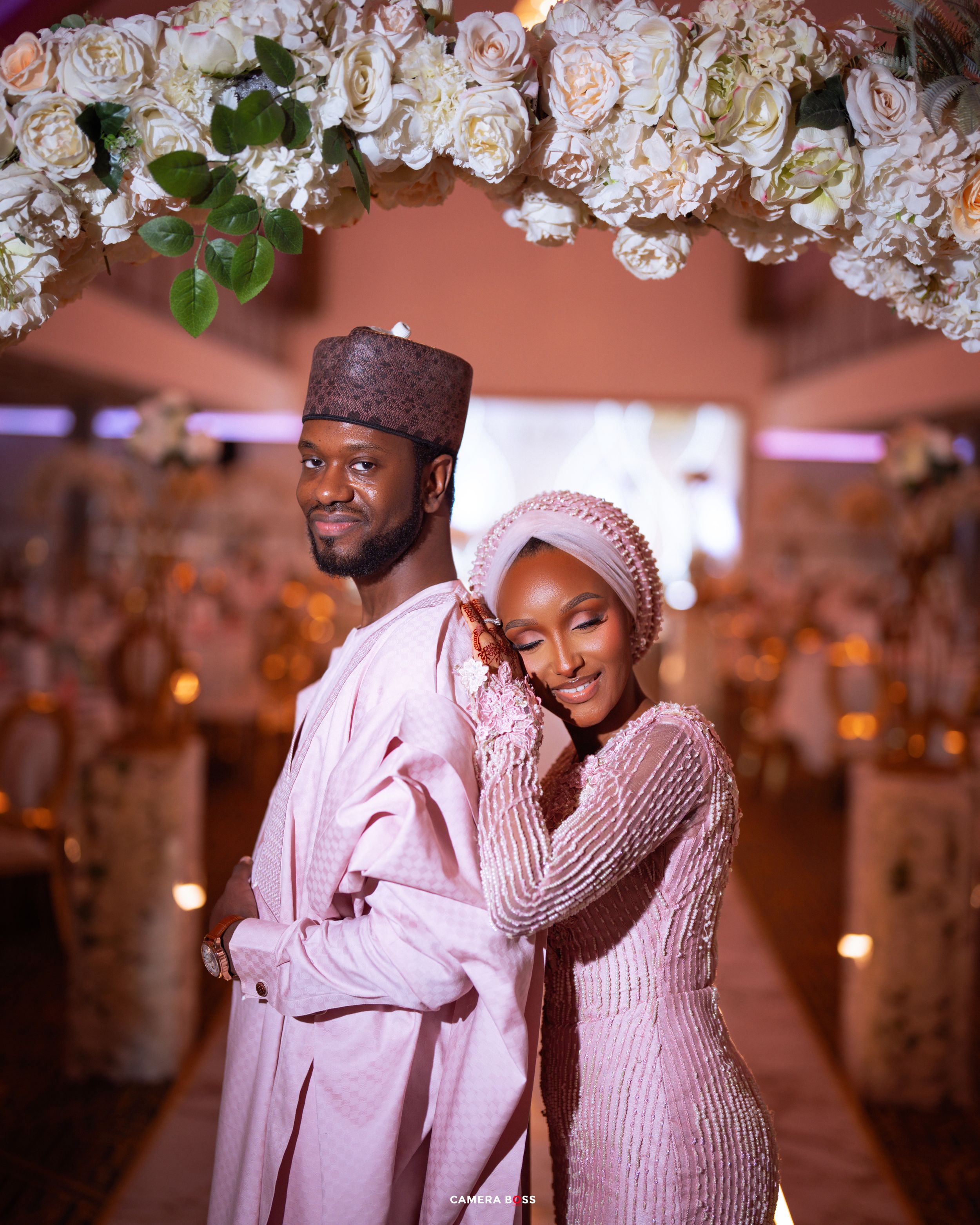
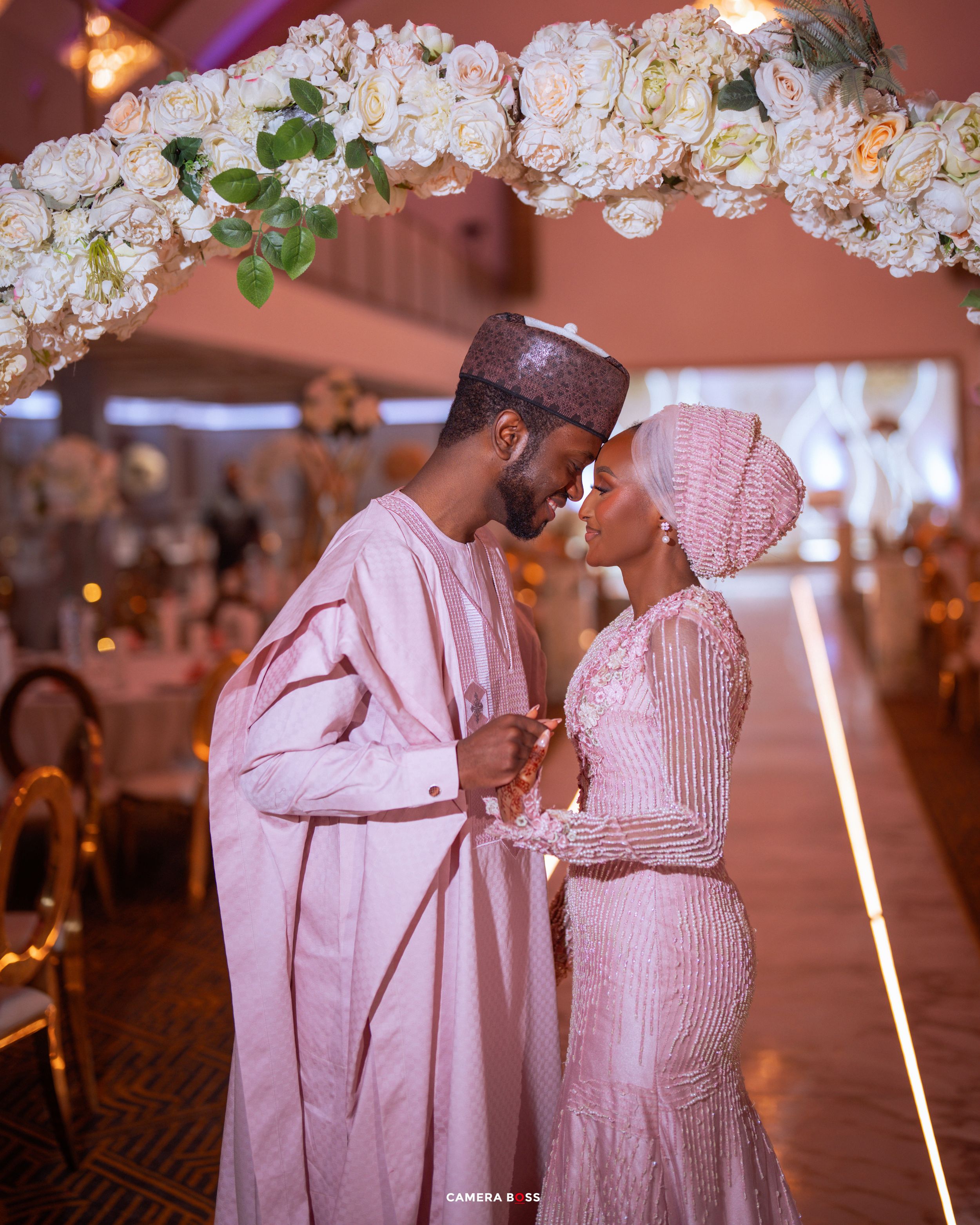
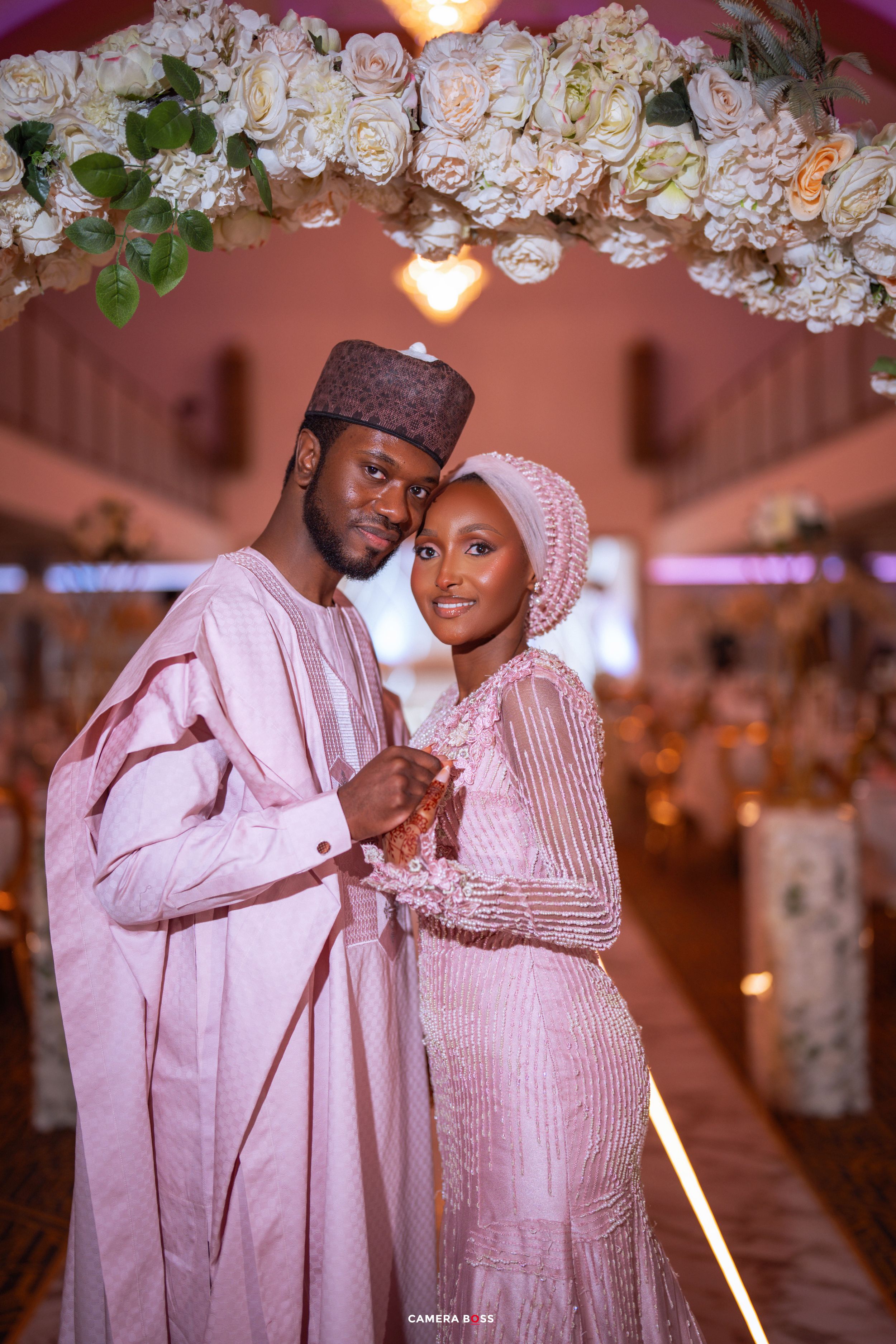
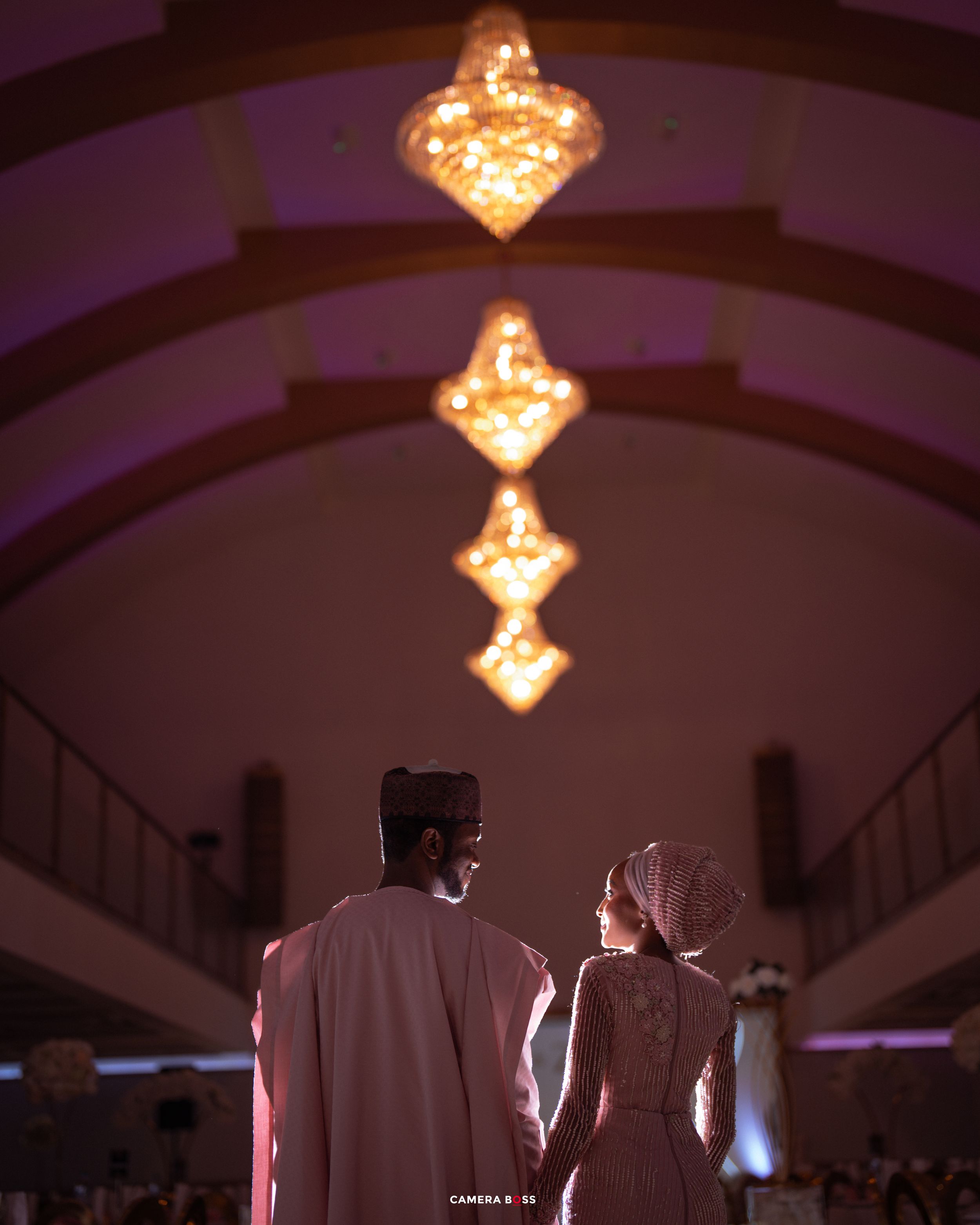
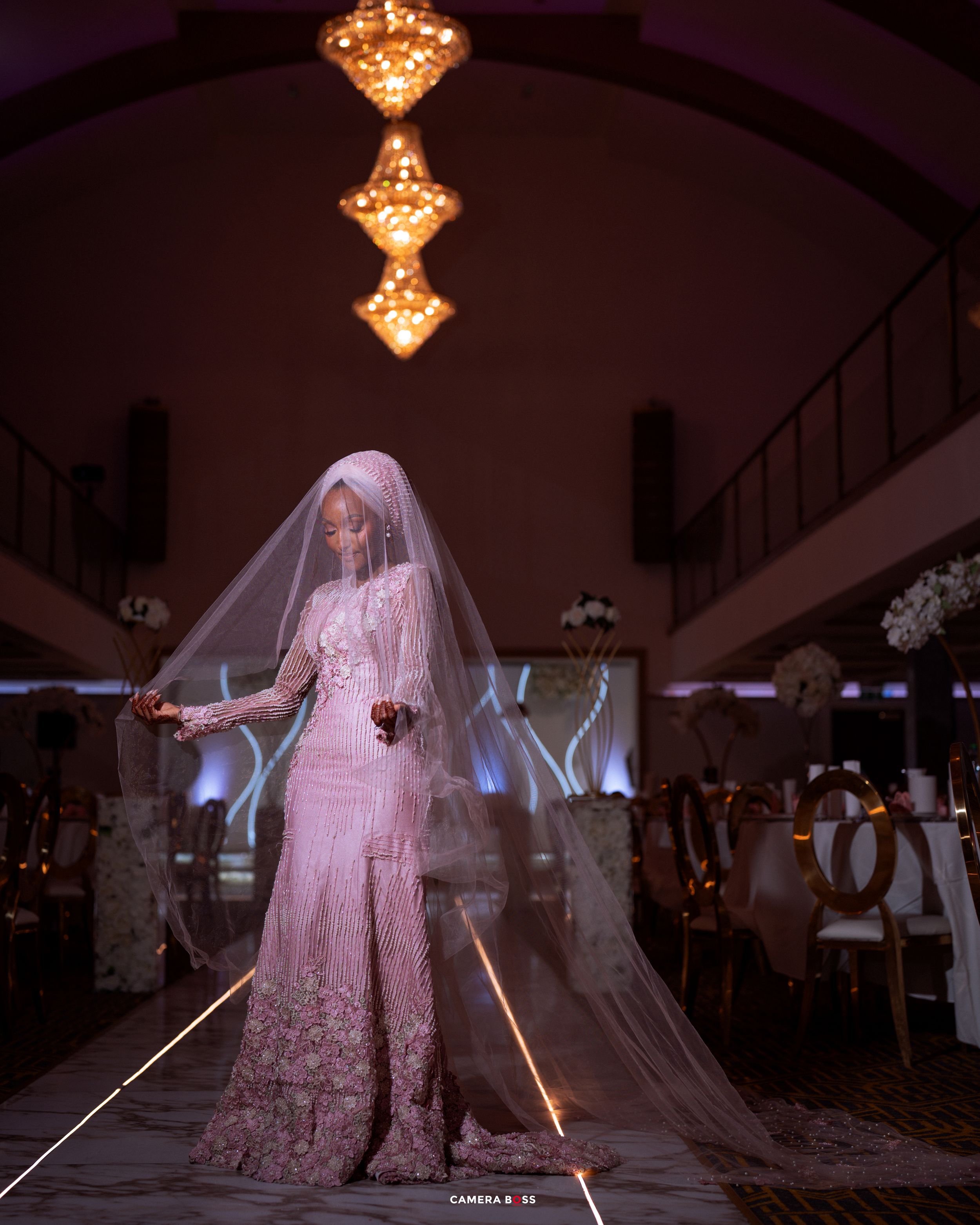
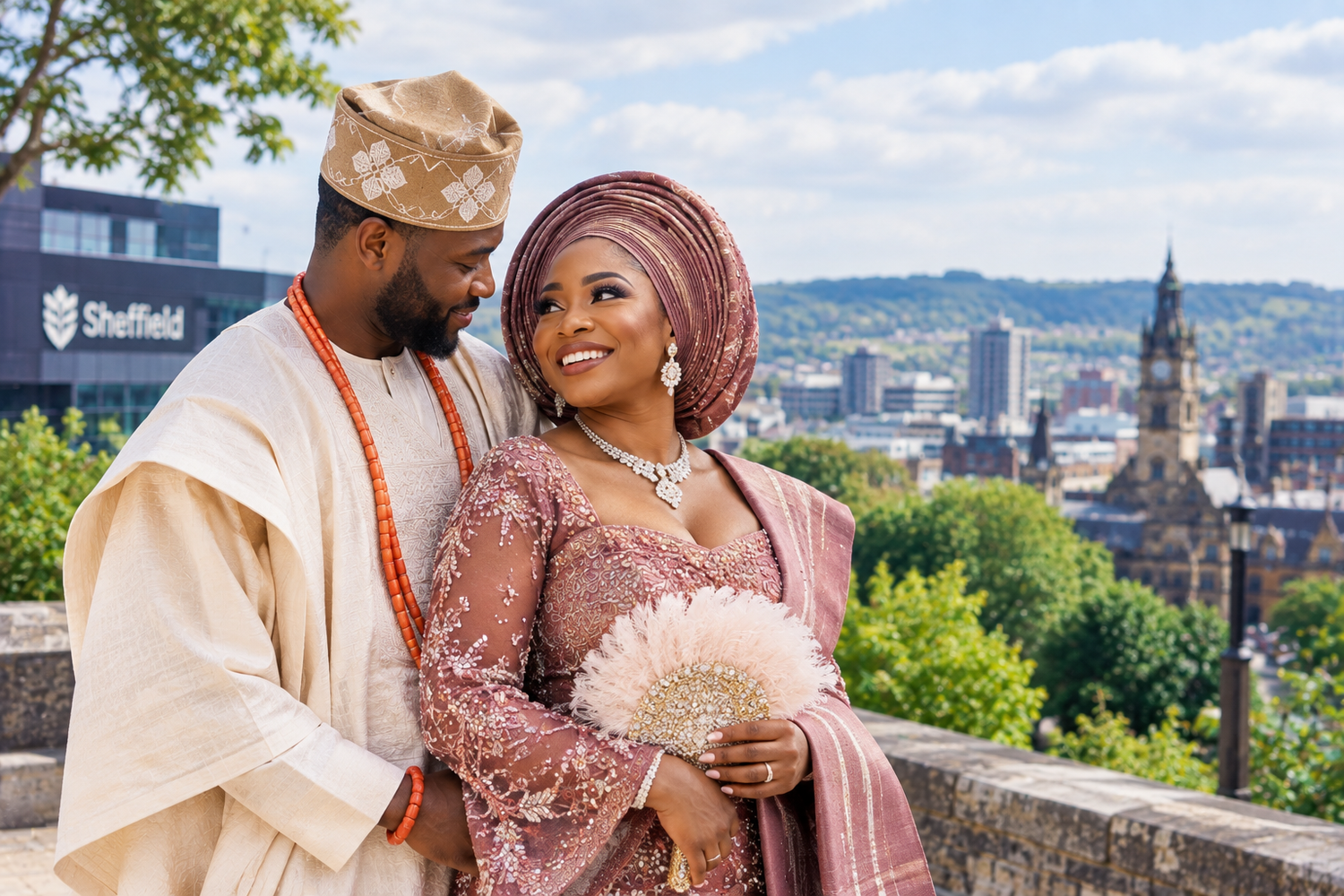
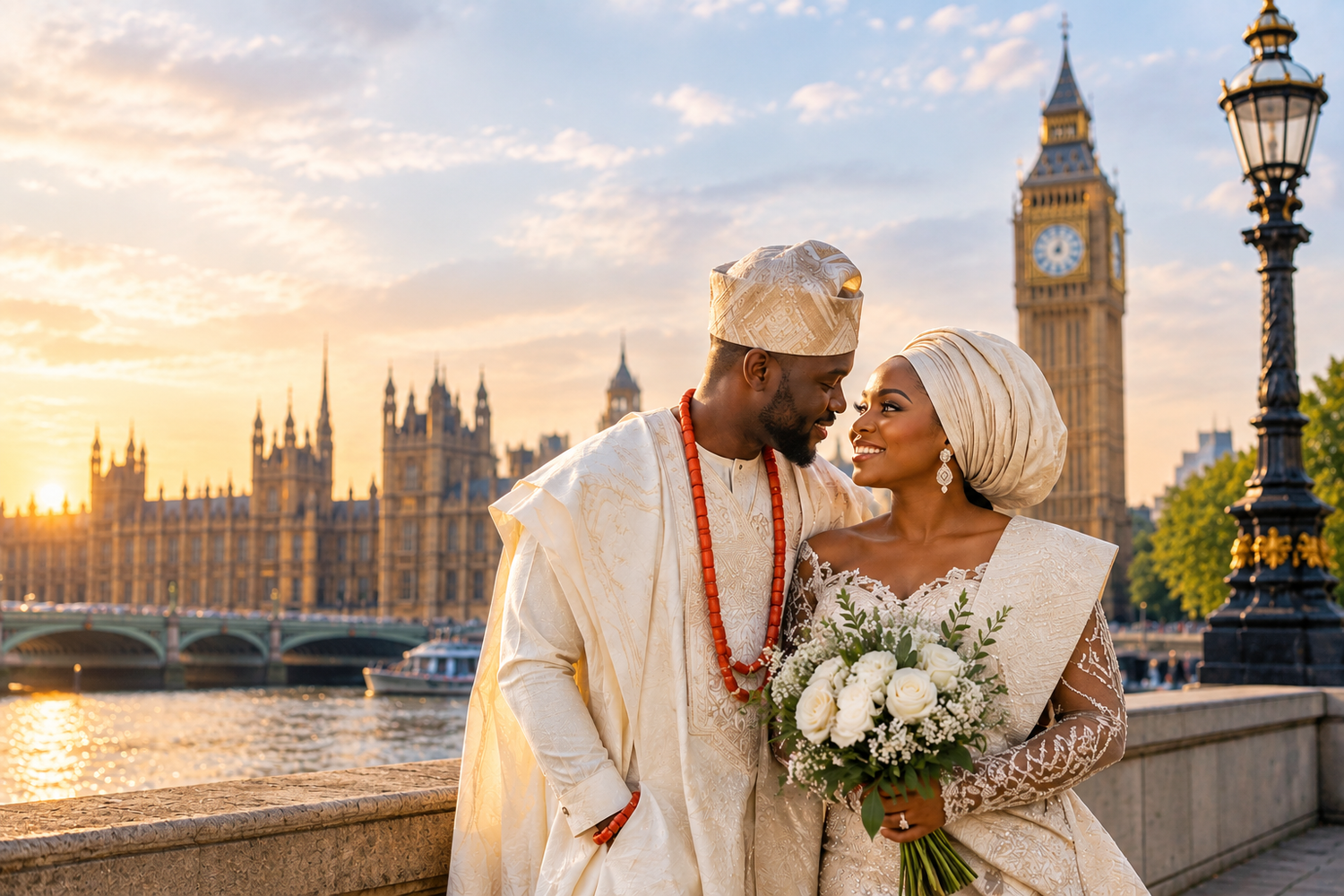
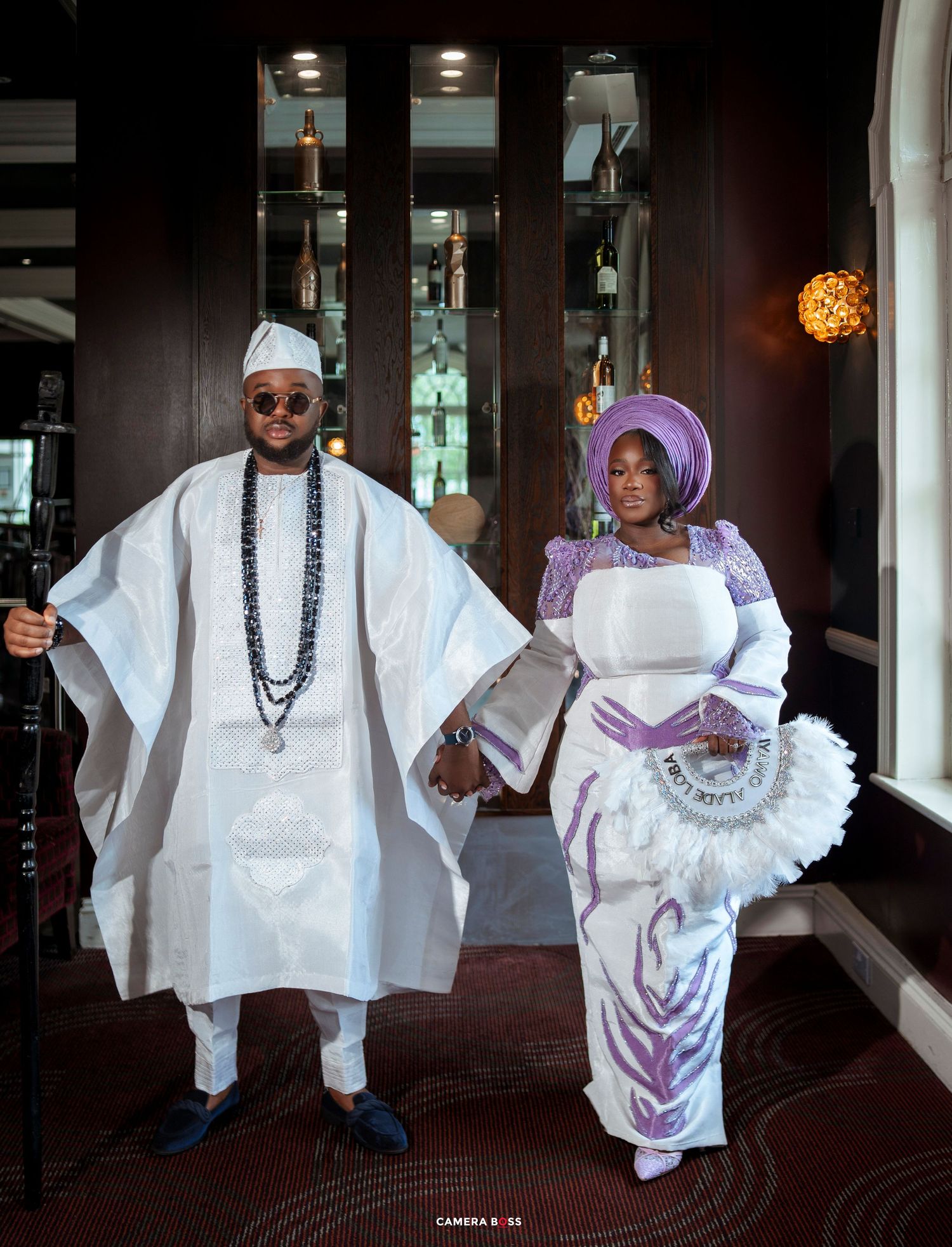
This is actually great news for Nigerian and African couples specifically, because it aligns beautifully with the visual richness of African ceremonies. The gele headwraps, the aso-ebi fabrics, the coral beads, the kente cloth — these deserve colour fidelity, not a filter that flattens everything into the same warm mush. Our post on how African couples are defining the 2026 anti-trend era goes deeper into this if you want to read more.
At Cameraboss, we have always shot in this way — documentary instinct, cinematic framing, honest colour. It is not a trend for us; it is how we were trained and how we see. But it is gratifying to watch the broader industry catching up to an approach we have believed in from the start.
What to look for in 2026: Documentary-first storytelling. Real skin tones. Film-inspired warmth without heavy presets. Galleries that feel like they were directed, not staged. Avoid photographers who are still editing everything in the same preset regardless of lighting, location, or cultural context.
5. What This Means for the African Wedding Photography Market in the UK
For Nigerian, Yoruba, Igbo, Ghanaian, and wider African diaspora couples in the UK, all of these shifts point in a clear direction: the demand for culturally fluent, cinematic documentary photographers has never been higher. And the supply of photographers who can genuinely deliver that — who understand the ceremonies, speak the visual language of the culture, and can handle the complexity of dual ceremonies, large guest lists, and multi-location days — is still relatively limited.
That is a gap that matters. Couples searching for a Nigerian wedding photographer in the UK are increasingly sophisticated in what they want: someone who shoots with documentary authenticity, delivers a cinematic film, understands the cultural moments they cannot miss, and can speak both the language of timeless portraiture and the energy of a live, joyful African celebration.
We have photographed and filmed these weddings across London, Manchester, Birmingham, Leicester, Leeds, Nottingham, Sheffield, Newcastle, Liverpool, and Bristol. Our dual UK-Nigeria positioning means we also understand the specific complexity of couples coordinating celebrations on two continents — and the luxury African wedding market in the UK is a space we know deeply.
6. For Photographers: How to Stay Relevant as the Content Creator Role Grows
If you are a wedding photographer reading this, here is the honest industry picture: the couples who will come to you in 2027 and 2028 have grown up on short-form video. Many of them will have found you on TikTok or Instagram Reels, not Google. They will want to see your personality and your behind-the-scenes process, not just your portfolio. And some of them will ask you directly whether you can provide social-first content alongside your traditional coverage.
The photographers who are thriving are not fighting this shift — they are adapting to it. That might mean offering a Reels delivery add-on to your packages. It might mean building your own presence on TikTok and showing your work in a more raw, behind-the-scenes way alongside the finished galleries. It might mean building relationships with trusted content creators you can recommend or co-package with.
The photographers who are struggling are those who see the content creator trend as competition rather than context. The market is not shrinking — it is expanding in complexity. There is room for everyone who understands their lane and executes it at the highest level.
Frequently Asked Questions
What is a wedding content creator and how is it different from a photographer?
A wedding content creator shoots short-form, vertical, social-media-ready video throughout your wedding day — designed to be posted on TikTok, Instagram Reels, and Stories within 24 to 48 hours. A photographer captures the full, edited gallery of professional still images that will last a lifetime. Both are valuable, but they serve different purposes and different timelines.
Do I need to hire a separate content creator for my wedding?
Not necessarily. Ask your photographer whether they offer social-first content as part of their package, or whether they work alongside content creators. Many photographers are now adapting their offering to include Reels-style behind-the-scenes content, so you may not need a completely separate hire.
Is the wedding photography editing style changing in 2026?
Yes. The heavy preset look of the late 2010s and early 2020s is giving way to a more documentary-cinematic aesthetic: true-to-colour editing, real skin tones, honest emotion, and compositions that feel directed rather than staged. This is particularly flattering for Nigerian and African weddings where the fabrics, colours, and cultural details deserve faithful representation.
How is TikTok changing the wedding photography industry?
TikTok is now a primary planning tool for 25% of couples in 2026 — up from 15% in 2025. Half of all engaged couples get wedding inspiration from short-form video. This has driven demand for photographers who can shoot social-first content alongside their traditional gallery, and for wedding content creators as a new standalone vendor category.
Where Cameraboss Sits in All of This
We have been shooting weddings with a documentary-cinematic approach since before it had that name. The way we have always worked — following the story, staying close to the emotion, framing things as though they were scenes from a film rather than set pieces — is exactly what the 2026 market is now asking for. We did not arrive here by chasing a trend; we arrived here by staying true to what we believed good wedding photography should look like.
At the same time, we understand that the couples coming to us in the next two years have grown up on short-form video and want both things: the timeless archive and the immediate joy of sharing. We are building our packages and our approach to serve both. If you want to explore what a Cameraboss wedding looks like, our wedding packages page is the place to start, and our wedding films give you a real sense of the cinematic standard we hold ourselves to.
The industry is changing. The couples are changing. The platforms are changing. The one thing that has not changed — and never will — is that the best wedding photography is the kind that makes you feel something real when you look at it twenty years later. That is still what we are here to make.
Curious What Cameraboss Could Create for Your Day?
Explore our portfolio, watch our wedding films, and reach out to start a conversation about your date.